Spills, humidity, and moisture are everyday realities in kitchens, bathrooms, and basements—but that doesn’t mean your floors should suffer. Waterproof vinyl flooring offers the perfect solution, combining exceptional water resistance with stunning design versatility.
Unlike hardwood or laminate, vinyl flooring is engineered to repel water, prevent mold, and withstand heavy foot traffic, all while mimicking the look of natural stone, ceramic, or real wood. Easy to install and effortless to maintain, vinyl flooring is a durable, cost-effective choice for modern homes and commercial spaces. Read on to discover why waterproof vinyl flooring is the smart, stylish upgrade your home deserves.
When it comes to flooring options that can withstand the challenges of everyday life, vinyl flooring often stands out as a top contender, especially in spaces prone to moisture and spills.
With its impressive waterproof capabilities, vinyl flooring not only protects your home from water damage but also offers a stylish and versatile aesthetic that fits any décor.
Whether you’re outfitting a busy kitchen, a luxurious bathroom, or a family-friendly basement, vinyl flooring provides the perfect blend of functionality and design. In this blog, we’ll explore the remarkable waterproof properties of vinyl flooring, discuss its various types, and provide insights into installation, maintenance, and the many benefits it offers.
If you’re considering a flooring upgrade, read on to discover why vinyl might just be the perfect choice for your home!
Understanding Vinyl Flooring Types
Vinyl flooring comes in several forms, each tailored for different needs. Sheet vinyl is a large, continuous roll, ideal for spaces where moisture is prevalent, providing seamless protection against water. Vinyl planks mimic hardwood flooring and are popular for their aesthetic appeal, combining the beauty of wood with durability. Vinyl tiles offer the versatility of different designs and patterns, allowing for creative layouts. Each type has its advantages, but all share the waterproof quality that makes vinyl flooring a top choice for moisture-prone areas like bathrooms, kitchens, and basements. Understanding these options helps homeowners make informed decisions.
Unmatched Water Resistance: The Key to Vinyl Flooring’s Durability
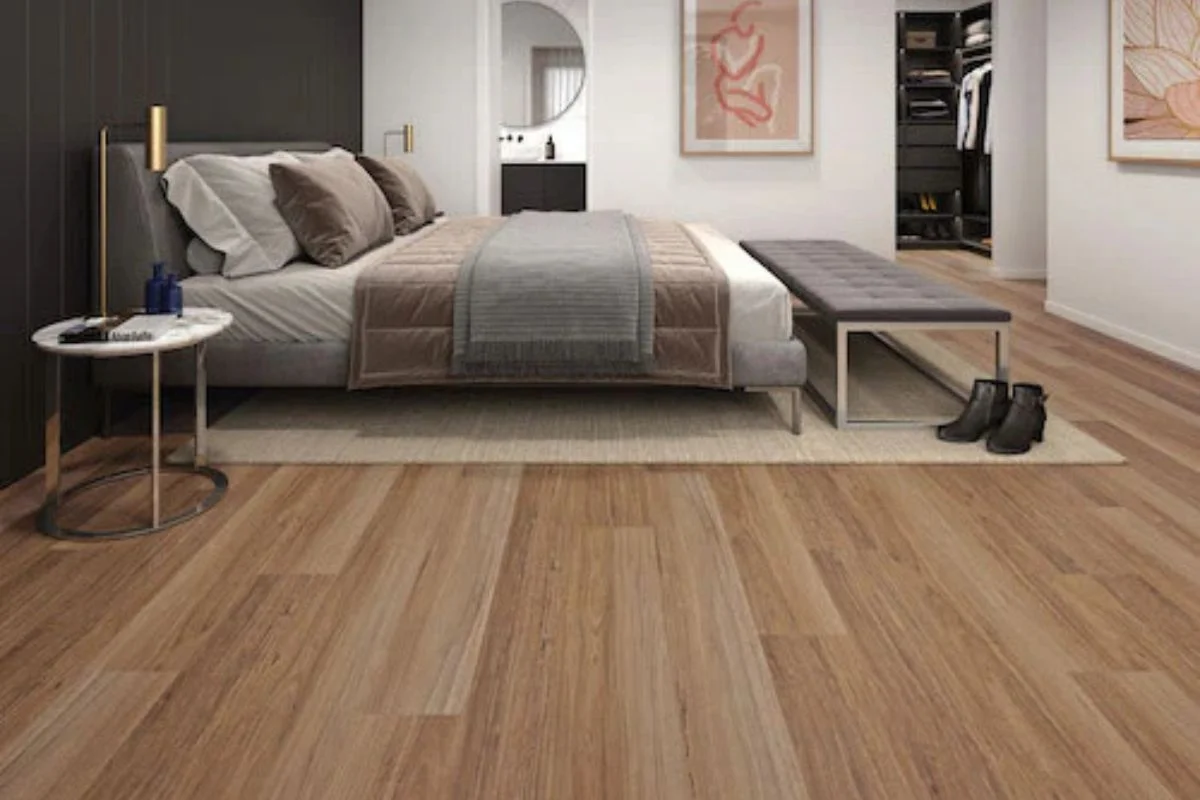
One of the standout features of vinyl flooring is its remarkable waterproof properties. Unlike traditional hardwood or laminate, vinyl is crafted from synthetic materials that repel water, making it ideal for areas susceptible to spills and humidity. The waterproof design prevents water from seeping through, protecting the underlying subfloor from damage, mold, and mildew. This resilience not only enhances the lifespan of the flooring but also makes cleanup a breeze. Whether it’s a spilled drink or a flooded bathroom, vinyl flooring can withstand the test, ensuring your home remains both stylish and functional in the face of moisture challenges.
Vinyl Flooring: A Durable Choice for Every Lifestyle
Vinyl flooring is renowned for its durability, making it an excellent choice for high-traffic areas. Engineered to withstand scratches, dents, and stains, vinyl is ideal for homes with pets, children, or heavy foot traffic. Its robust surface can endure the wear and tear of daily life, retaining its beauty over time. Additionally, many vinyl options come with a protective wear layer that adds to their longevity. With proper care and maintenance, vinyl flooring can last 10 to 20 years or more, providing a cost-effective solution for homeowners seeking a flooring option that combines beauty and endurance.
DIY Delight: How Easy It Is to Install Vinyl Flooring
Installing vinyl flooring is relatively simple compared to other flooring types, making it an attractive choice for DIY enthusiasts. Sheet vinyl can be rolled out and cut to fit, while vinyl planks often feature a click-lock design, allowing for straightforward assembly without glue or nails. For those opting for professional installation, the process is typically quick, minimizing disruption to your home. Whether tackling a small bathroom or a large living area, the ease of installation means you can enjoy your new floors without the hassle and mess associated with more complex flooring materials.
Effortless Elegance: The Simple Care of Vinyl Flooring
One of the key advantages of vinyl flooring is its low maintenance requirements. Routine care involves simple tasks like sweeping or vacuuming to remove dirt and debris. For deeper cleaning, a damp mop with a pH-neutral cleaner works wonders without damaging the surface. Unlike carpet, vinyl doesn’t harbor allergens, making it a healthier choice for indoor environments. Avoid using abrasive cleaners or tools that can scratch the surface. In case of scuffs or stains, a gentle scrub with a non-abrasive pad usually does the trick. With minimal effort, your vinyl flooring can remain stunning and pristine for years.
Transform Your Space: The Aesthetic Versatility of Vinyl Flooring
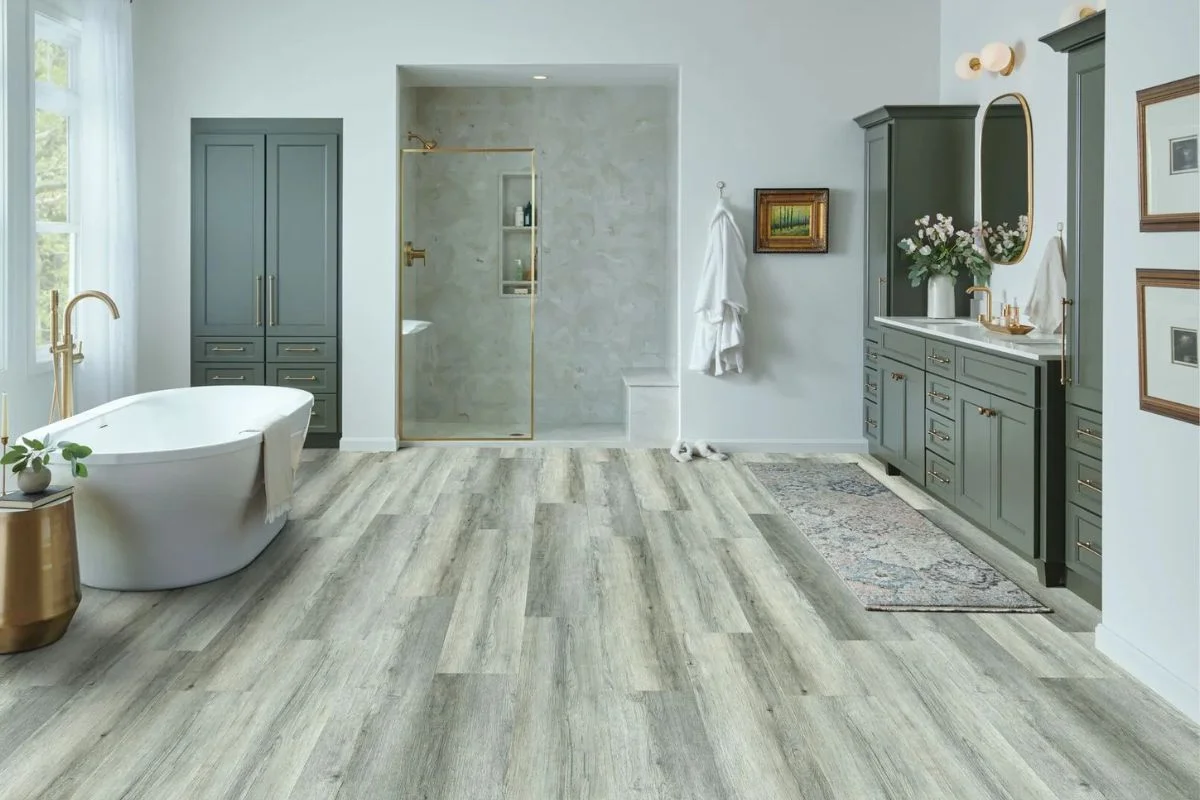
Vinyl flooring offers exceptional design versatility, making it a popular choice for various interior styles. Available in an extensive range of colors, patterns, and textures, vinyl can effortlessly mimic natural materials like hardwood, stone, or ceramic tile. This allows homeowners to achieve their desired aesthetic without compromising on durability or budget. From modern, sleek designs to rustic finishes, the options are virtually limitless. Additionally, vinyl can be customized with different plank widths and tile sizes, enabling creative layouts that enhance the overall look of a room. This adaptability makes vinyl flooring suitable for any design preference.
Smart Savings: The Cost-Effective Benefits of Vinyl Flooring
Vinyl flooring is one of the most cost-effective flooring options available. Its affordability extends beyond the initial purchase price; its durability means fewer repairs and replacements over time. Additionally, the low maintenance requirements translate into long-term savings, as vinyl does not need waxing, polishing, or frequent replacements like some traditional flooring types. While high-end materials may offer a luxurious look, vinyl allows homeowners to achieve a similar aesthetic at a fraction of the cost. With a variety of budget-friendly styles, vinyl flooring proves to be a smart investment for both aesthetic appeal and financial practicality.
Maintenance and Cleaning of Waterproof Vinyl
Maintaining waterproof vinyl flooring is remarkably simple compared to traditional flooring materials. Its water-resistant surface allows for easy cleaning without the risk of damage from moisture. Routine maintenance typically involves sweeping or vacuuming to remove dust, dirt, and debris. A damp mop with a mild detergent is sufficient for deeper cleaning.
Stains and spills can be quickly wiped away, making vinyl ideal for kitchens, bathrooms, and areas prone to accidents. Unlike hardwood or laminate, there is no need for polishing, sanding, or refinishing. Protective measures, such as using felt pads under furniture or avoiding abrasive cleaning tools, can extend the flooring’s lifespan and maintain its appearance.
Periodic deep cleaning can be performed using manufacturer-recommended products to remove stubborn stains or buildup. Some homeowners also use a soft brush to clean grout lines in vinyl tiles or planks that mimic stone or ceramic. Regular maintenance prevents the accumulation of dirt and maintains the flooring’s visual appeal over time.
In commercial settings, waterproof vinyl’s low-maintenance requirements reduce cleaning costs and downtime, making it a practical choice for offices, restaurants, and retail spaces. Its durability, combined with easy care, ensures long-term performance, demonstrating why vinyl flooring remains a top choice for both aesthetics and practicality.
Waterproof Vinyl for Residential Spaces
Waterproof vinyl flooring is particularly suitable for residential applications. Its water resistance makes it ideal for areas like kitchens, bathrooms, laundry rooms, and basements. Homeowners appreciate its ability to withstand spills, humidity, and daily wear without damage.
Beyond practicality, vinyl offers significant aesthetic benefits. Modern designs can replicate hardwood, marble, or tile, providing a high-end look without the high cost or maintenance challenges. Families with children or pets benefit from its durability, scratch resistance, and ease of cleaning. Comfort underfoot and sound absorption properties enhance the living experience, making it a preferred choice for high-traffic areas.
Waterproof vinyl also contributes to energy efficiency. Its insulating properties help maintain indoor temperatures, reducing heating and cooling costs. Homeowners can pair it with underfloor heating systems for added comfort. Additionally, vinyl flooring is compatible with various interior design styles, from contemporary to traditional, allowing flexibility in decorating choices.
Overall, residential waterproof vinyl flooring offers a combination of durability, style, comfort, and practicality, making it an excellent investment for homeowners seeking long-lasting and visually appealing flooring solutions.
Eco-Friendly Choices: The Sustainable Side of Vinyl Flooring
While vinyl flooring has gained a reputation for being practical, environmental considerations are becoming increasingly important for many homeowners. Some manufacturers offer eco-friendly options made from recycled materials, which can help reduce environmental impact. Additionally, vinyl flooring is often 100% recyclable at the end of its life cycle, minimizing waste. Look for products with low volatile organic compound (VOC) emissions, ensuring a healthier indoor air quality. By choosing sustainable vinyl options, homeowners can enjoy the benefits of this versatile flooring while contributing to a greener planet and making environmentally conscious choices for their homes.
Busting the Myths: Common Misconceptions About Vinyl Flooring Unveiled
Despite its popularity, several misconceptions about vinyl flooring persist. One common myth is that vinyl is of lower quality compared to other materials like hardwood or tile. In reality, high-quality vinyl can be just as durable and visually appealing. Another misconception is that vinyl flooring is prone to fading; however, modern manufacturing techniques ensure colorfastness, even in direct sunlight. Some may also believe that vinyl is difficult to repair, but minor scratches and damages can often be addressed easily with patch kits or replacement tiles. Understanding these misconceptions helps homeowners appreciate the true value of vinyl flooring.
Perfect Fit: Where Vinyl Flooring Shines in Your Home
Vinyl flooring is ideal for a wide range of applications, making it a versatile choice for both residential and commercial spaces. Its waterproof properties make it perfect for moisture-prone areas like kitchens, bathrooms, and laundry rooms. Additionally, vinyl is an excellent option for basements, as it resists mold and mildew. Beyond residential use, many businesses opt for vinyl flooring in retail spaces, offices, and restaurants due to its durability and ease of maintenance. With its ability to withstand heavy foot traffic while offering a stylish appearance, vinyl flooring is a smart choice for any setting.
Customer Testimonials and Experiences
Customer testimonials often highlight the satisfaction and versatility of vinyl flooring. Many homeowners appreciate its combination of style and practicality, noting how well it has performed in high-traffic areas or moisture-prone rooms. Positive experiences often include easy cleaning routines, durability against spills, and the aesthetic appeal that mimics more expensive materials. Homeowners with children and pets frequently rave about how resilient vinyl is to wear and tear, making it a perfect fit for their lifestyles. Sharing these experiences provides valuable insights for potential buyers considering vinyl flooring for their own homes.
Advantages of Waterproof Vinyl Flooring
Waterproof vinyl flooring offers a range of advantages that set it apart from other flooring materials. Its primary benefit is water resistance, which makes it suitable for kitchens, bathrooms, and even basements. Unlike hardwood, which can warp or swell when exposed to moisture, vinyl remains stable and maintains its shape. This makes it a reliable choice for areas with fluctuating humidity levels.
In addition to water resistance, vinyl flooring is highly durable. It can withstand heavy foot traffic and daily wear and tear without significant damage. Many vinyl products feature a protective top layer that resists scratches, scuffs, and stains. This durability makes it ideal for families, pet owners, and commercial spaces where flooring is subjected to constant use.
Comfort is another advantage. Vinyl is softer underfoot compared to tiles or hardwood, providing a more comfortable walking experience. Its sound absorption properties also reduce noise levels, which is particularly beneficial in multi-story homes or office buildings. Installation is relatively simple, with click-and-lock planks or adhesive sheets, making it a cost-effective alternative to other flooring options.
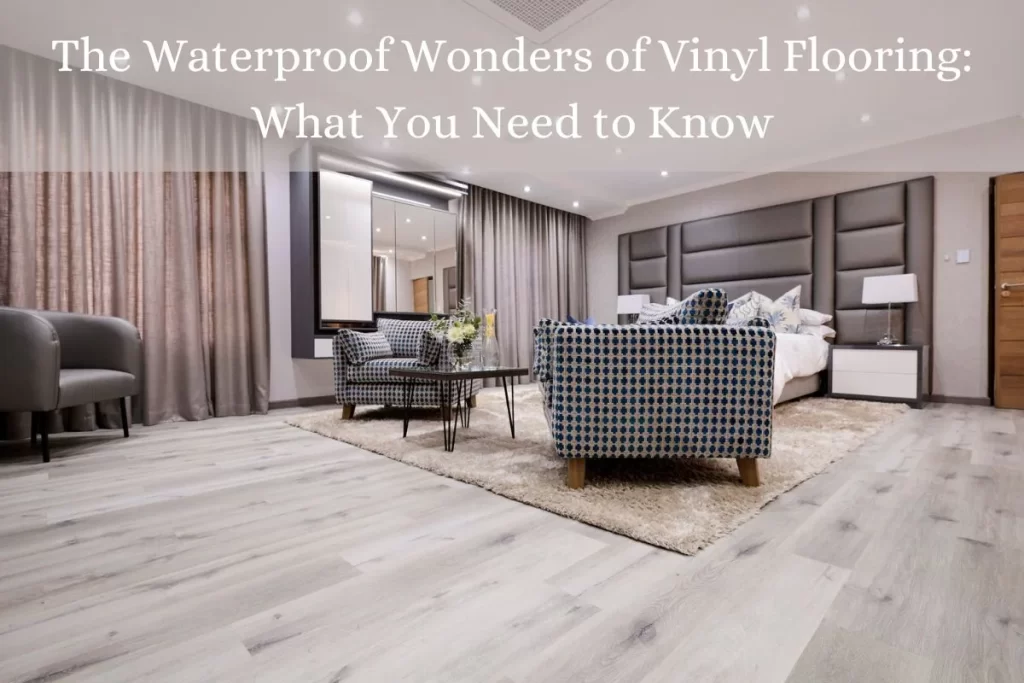
Finally, the aesthetic versatility of vinyl flooring cannot be overlooked. Manufacturers can replicate the appearance of wood, stone, or ceramic with incredible realism. This allows homeowners to achieve the look they desire without the high cost or maintenance challenges associated with natural materials. The combination of durability, comfort, ease of maintenance, and design flexibility makes waterproof vinyl an increasingly popular choice for modern interiors.
Types of Waterproof Vinyl Flooring
Waterproof vinyl flooring is available in several types, each designed to meet different needs and preferences. The most common forms include sheet vinyl, luxury vinyl tile (LVT), and luxury vinyl plank (LVP). Each type offers unique benefits and installation methods, allowing homeowners to select the ideal flooring for their space.
Sheet vinyl is a continuous, flexible sheet that provides a seamless, water-resistant surface. It is particularly suitable for bathrooms and kitchens because it eliminates the risk of water seeping through joints. Its smooth surface makes cleaning easy, and it comes in a variety of colors and patterns. However, installation may require professional assistance to ensure a flawless finish.
Luxury vinyl tile (LVT) and luxury vinyl plank (LVP) are gaining popularity due to their realistic appearance. LVT mimics natural stone, ceramic, or tile, while LVP is designed to resemble hardwood planks. Both options are available in click-and-lock or glue-down formats, making DIY installation possible. These products are highly durable, waterproof, and offer excellent comfort underfoot.
Another emerging type is rigid core vinyl, which combines vinyl’s waterproof properties with a firm core layer, providing stability and impact resistance. This makes it suitable for high-traffic areas and commercial applications. By understanding the different types of waterproof vinyl, homeowners can make informed decisions to match their aesthetic preferences, functionality requirements, and budget considerations.
Installation Process of Waterproof Vinyl
Installing waterproof vinyl flooring is often straightforward, especially with modern click-and-lock systems. Before installation, proper subfloor preparation is essential. The subfloor must be clean, dry, and level to ensure the vinyl adheres correctly and provides a smooth surface. Uneven surfaces can lead to gaps or creases that compromise durability and appearance.
Sheet vinyl installation may require adhesives and careful rolling to prevent air bubbles. This method provides a continuous waterproof surface, ideal for bathrooms or wet areas. LVT and LVP, on the other hand, often feature interlocking planks or tiles that snap together without glue, simplifying the process and reducing installation time. These floating floors can expand and contract with temperature changes, preventing warping or buckling.
In addition to flooring installation, proper underlayment is sometimes recommended to enhance comfort, sound insulation, and thermal performance. Some vinyl products come with pre-attached underlayment, while others require a separate layer. Cutting planks or tiles to fit corners, edges, and obstacles requires precision, but modern vinyl is generally easy to work with, making it suitable for DIY projects.
Professional installation may be preferred for large areas or complex layouts, ensuring optimal results and warranty compliance. Overall, the ease of installation, coupled with minimal maintenance requirements, contributes to the growing appeal of waterproof vinyl flooring in both residential and commercial spaces.
Conclusion and Recommendations
In conclusion, vinyl flooring stands out as a waterproof, durable, and cost-effective option for a variety of settings. Its ease of installation and maintenance, coupled with a broad range of design choices, make it a popular choice among homeowners and businesses alike. Whether you’re renovating a kitchen, outfitting a bathroom, or designing a commercial space, vinyl flooring offers the perfect balance of functionality and aesthetics. When considering your flooring options, explore the various vinyl products available to find the perfect fit for your style and needs, ensuring a beautiful and resilient floor that lasts for years to come.