Luxury vinyl flooring has become one of the most widely discussed modern flooring materials because it balances durability, appearance, and practicality. Homeowners, designers, and property developers often explore this flooring category when they want surfaces that resemble natural materials but perform better under daily wear and moisture exposure.
Understanding how this flooring works requires looking beyond appearance. The material is engineered using multiple layers designed to resist damage, moisture, and heavy foot traffic. Because of this layered construction, it is now used in residential homes, commercial offices, healthcare facilities, and retail environments. Learning where and why it performs best helps property owners make more informed long-term decisions.
Understanding the Core Structure and Layered Composition of Modern Luxury Vinyl Materials Used in Residential and Commercial Spaces
Luxury vinyl flooring is manufactured using several functional layers, each serving a specific purpose. These layers combine to create a surface that is strong, stable, and visually appealing.
Typical layers include:
- Wear Layer: Protects against scratches, stains, and fading
- Design Layer: Contains the printed wood, stone, or abstract visual pattern
- Core Layer: Provides structural stability and impact resistance
- Backing Layer: Adds balance and sometimes acoustic insulation
Modern manufacturing allows these layers to be fused under heat and pressure, resulting in a dense and stable plank or tile. Many homeowners researching modern surfaces often compare lvp flooring with traditional vinyl sheets because the layered design significantly improves durability and realism.
The layered structure also helps maintain dimensional stability. This means planks are less likely to expand or contract due to temperature or humidity changes, making them suitable for a wide range of indoor climates.
How Water Resistance and Durability Make This Flooring Type Suitable for Kitchens, Bathrooms, and High Traffic Interior Zones
Water resistance is one of the biggest reasons luxury vinyl flooring is used in moisture-prone environments. Unlike natural wood, which can swell or warp when exposed to water, engineered vinyl surfaces resist moisture penetration.
Common areas where water resistance matters include:
- Kitchens where spills are frequent
- Bathrooms with high humidity levels
- Laundry rooms with appliance moisture exposure
- Entryways exposed to wet shoes and outdoor debris
Durability also plays a major role in busy spaces. High wear layers protect against:
- Pet claws
- Dropped objects
- Furniture movement
- Heavy daily foot traffic
This combination makes it particularly valuable for family homes, rental properties, and public buildings where maintenance downtime must be minimized.
Differences Between Rigid Core Flooring Materials and Traditional Flexible Vinyl Surfaces Used in Older Construction Methods
Older vinyl flooring types were often flexible and thin, which made them easier to install but less durable over time. Modern rigid core options are engineered to solve those limitations.
Rigid core flooring typically features:
- Strong composite core layers
- Enhanced dent resistance
- Better temperature stability
- Improved sound absorption
Many modern buildings now consider materials such as spc flooring when comparing rigid core technologies because of their mineral-enhanced core strength and resistance to structural movement.
Flexible vinyl still exists and can be useful in certain low-impact areas, but rigid core systems generally provide longer service life and better structural performance in demanding environments.
Environmental Considerations and Indoor Air Quality Impact When Selecting Synthetic Flooring Materials for Homes
Indoor air quality is becoming a major factor in material selection. Modern luxury vinyl products are often manufactured to meet strict emission standards.
Environmental considerations include:
- Low VOC (volatile organic compound) emissions
- Phthalate-free formulations in newer products
- Recyclability potential depending on manufacturer
- Long life cycles that reduce replacement waste
Consumers increasingly compare synthetic surfaces with natural alternatives such as stone or terrazzo materials. In some design discussions, surfaces like terrazzo tile are evaluated alongside vinyl because both can offer long durability and unique visual aesthetics, though they differ significantly in installation complexity and cost structure.
Choosing certified products helps reduce indoor chemical exposure and supports healthier indoor environments.
Installation Methods Explained Including Floating Floor Systems, Click Lock Technology, and Glue Down Applications
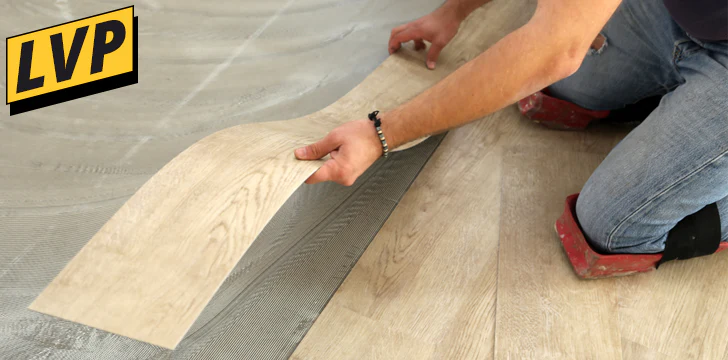
Installation methods influence both performance and project timeline. The most common installation approaches include:
Floating Floor Installation
Planks connect to each other but not directly to the subfloor. Benefits include:
- Faster installation
- Easier replacement of damaged planks
- Minimal adhesive use
Click Lock Systems
Precision locking edges snap together to create tight seams. This method:
- Improves moisture resistance
- Simplifies installation for trained installers
- Reduces need for specialized adhesives
Glue Down Installation
Adhesive bonds planks directly to the subfloor. This method works well in:
- Commercial environments
- Areas requiring maximum stability
- High traffic zones
Selecting the correct method depends on subfloor condition, traffic level, and environmental exposure.
Long Term Maintenance Requirements and Cleaning Routines to Extend Surface Life and Maintain Appearance
Luxury vinyl flooring is known for relatively simple maintenance requirements compared to natural materials.
Basic maintenance tips include:
- Sweeping or vacuuming regularly to remove abrasive dirt
- Using damp mops instead of soaking floors
- Avoiding harsh chemical cleaners
- Using protective pads under heavy furniture
For long-term care:
- Clean spills quickly to prevent staining
- Maintain indoor humidity levels
- Inspect seams periodically in wet zones
Following these practices can significantly extend the flooring lifespan and preserve visual quality.
Comparing Acoustic Performance and Comfort Underfoot With Ceramic, Stone, and Hardwood Alternatives
Comfort and sound performance are important for both residential and multi-unit buildings. Vinyl flooring generally provides softer underfoot feel than ceramic or stone.
Acoustic benefits include:
- Reduced footstep noise
- Less sound transfer between floors
- Improved comfort when standing long periods
Compared to hardwood, vinyl often provides:
- More consistent sound absorption
- Less creaking over time
- Better moisture resistance
These qualities make it popular in apartments, offices, and educational buildings where noise reduction is important.
Conclusion
Luxury vinyl flooring represents a major evolution in synthetic surface technology. Its layered construction, moisture resistance, durability, and visual flexibility allow it to perform in environments where traditional materials may struggle.
Understanding structure, installation methods, maintenance, and environmental factors helps property owners choose flooring based on performance needs rather than appearance alone. As manufacturing technology continues to improve, modern vinyl flooring will likely remain a major option in both residential and commercial design.
FAQs
What is luxury vinyl flooring made from?
It is typically made from multiple synthetic layers including a wear layer, printed design layer, rigid or flexible core layer, and backing layer designed for stability and moisture resistance.
Is luxury vinyl flooring safe for homes with children and pets?
Many modern products are designed with low emission materials and durable wear layers that resist scratches and stains, making them suitable for active households.
How long does luxury vinyl flooring typically last in residential settings?
Depending on wear layer thickness, installation quality, and maintenance, it can last 10–25 years or more in residential environments.
Can luxury vinyl flooring be installed over existing floors?
In many cases yes, if the existing floor is flat, stable, and free from moisture damage, though professional evaluation is recommended.
Does luxury vinyl flooring fade when exposed to sunlight?
Most modern products include UV-resistant wear layers that reduce fading, though extreme long-term direct sunlight can still affect color slightly over time.