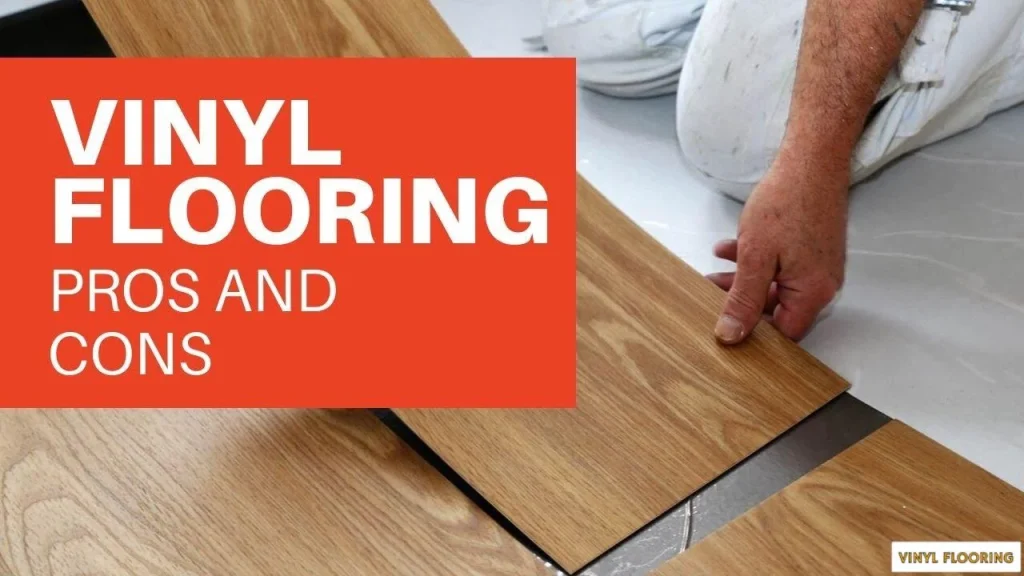
Modern homes require materials that balance performance, aesthetics, and practicality. As lifestyles become more fast-paced and homes experience heavier daily use, flooring must handle moisture, foot traffic, and wear without sacrificing visual appeal. This is where engineered synthetic plank flooring has become widely researched by homeowners and designers.
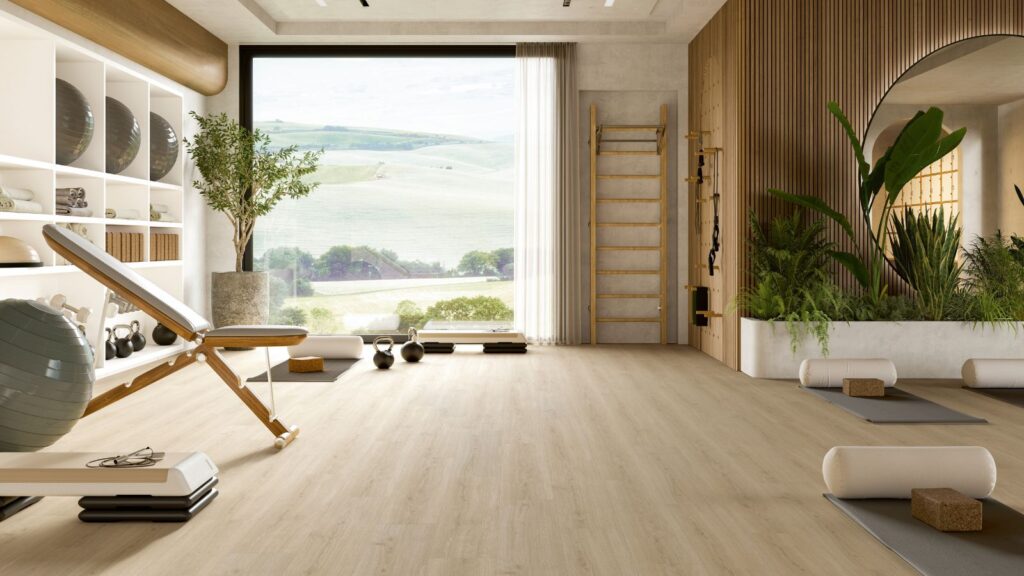
Today’s flooring technology focuses on durability and realistic surface design. Instead of relying solely on natural materials, modern construction often uses engineered surfaces that replicate wood textures while improving resistance to damage. Understanding how these flooring types improve living environments helps homeowners make long-term structural and maintenance decisions.
Exploring Realistic Wood Look Surface Technologies and Embossed Texture Innovations Used in Contemporary Synthetic Planks
Advances in digital printing and surface embossing have made synthetic plank flooring visually comparable to natural hardwood. Manufacturers now create high-resolution wood grain patterns combined with textured finishes that mimic natural knots, grain flow, and saw marks.
Modern visual technologies include:
- High-definition photographic wood imaging
- Embossed-in-register textures matching printed grain patterns
- Matte and low-gloss finishes that reduce artificial shine
- Multi-tone color layering for natural variation
Many homeowners researching modern surface technology often explore materials like vinyl plank flooring because it offers wood-like visuals without natural wood’s sensitivity to moisture and temperature fluctuations.
These visual improvements allow synthetic flooring to work in interior styles ranging from minimalist modern to rustic traditional homes.
Moisture Resistance Performance Compared With Natural Hardwood Flooring in Humid and Coastal Living Environments
Moisture exposure is one of the biggest causes of natural hardwood flooring failure. Humidity changes can cause expansion, contraction, and long-term structural damage.
Synthetic plank flooring offers several moisture advantages:
- Water-resistant core structures
- Surface sealing layers that prevent liquid penetration
- Minimal expansion or contraction during humidity changes
- Better performance in kitchens, bathrooms, and laundry spaces
In coastal or humid cities, flooring must resist constant atmospheric moisture exposure. Many property owners researching high-moisture solutions often compare rigid core options such as spc flooring dubai when evaluating structural stability in extreme humidity environments.
These moisture-resistant properties allow homeowners to maintain consistent flooring performance year-round.
Subfloor Preparation Requirements and Moisture Barrier Importance for Long Lasting Installation Performance
Proper subfloor preparation is critical for long-term flooring performance. Even advanced materials can fail if installed on unstable or moisture-damaged subfloors.
Key preparation steps include:
1. Surface Leveling
Subfloors must be flat to prevent plank movement or joint separation.
2. Moisture Testing
Concrete subfloors must be tested for moisture emission levels before installation.
3. Cleaning and Debris Removal
Dust, adhesives, and construction residue can prevent proper plank locking.
4. Moisture Barrier Installation
Moisture barriers help protect flooring from subfloor moisture migration.
Ignoring these steps can lead to:
- Plank warping
- Adhesive failure
- Surface unevenness
- Reduced lifespan
Professional installation planning ensures structural integrity for years.
Understanding Wear Layer Ratings and How They Influence Scratch Resistance and Long Term Durability in Busy Homes
The wear layer is the protective surface coating that determines how well flooring resists scratches and stains. Thicker wear layers generally provide stronger protection.
Wear layer benefits include:
- Scratch resistance from pets and furniture
- Protection from dirt abrasion
- Stain resistance from spills and chemicals
- UV protection from sunlight exposure
Typical residential wear layers range from 12 mil to 20 mil, while commercial applications may use thicker protective layers.
Choosing the right wear layer depends on:
- Household activity level
- Presence of pets
- Furniture movement frequency
- Foot traffic volume
Understanding wear layer ratings helps homeowners choose flooring based on lifestyle demands rather than appearance alone.
Sound Absorption Characteristics and Comfort Benefits When Installed in Apartments and Multi Level Residential Buildings
Sound control is important in modern urban housing. Flooring plays a major role in how sound travels between rooms and floors.
Synthetic plank flooring can improve acoustic comfort through:
- Integrated backing layers that reduce sound vibration
- Compatibility with acoustic underlayment materials
- Softer walking surface compared to tile or stone
Comfort advantages include:
- Reduced leg fatigue when standing long periods
- Warmer feel underfoot compared to ceramic surfaces
- Less echo inside large rooms
In shared residential buildings, sound absorption flooring can help reduce neighbor disturbance and improve overall living comfort.
Sustainability Factors Including Recyclability, Production Methods, and Environmental Certifications for Modern Materials
Environmental awareness is influencing flooring material selection. Many modern flooring products are manufactured with reduced environmental impact.
Sustainability features may include:
- Low VOC emissions for improved indoor air quality
- Reduced manufacturing waste
- Longer product lifespan reducing replacement frequency
- Some recyclable material components
Some homeowners also compare engineered flooring with mineral-based materials like terrazzo tiles when considering long-term durability and sustainability. While these materials differ in installation complexity and composition, both are often evaluated in modern eco-conscious construction discussions.
Selecting certified low-emission flooring supports healthier indoor living spaces.
Common Installation Mistakes Homeowners Make and How Proper Planning Prevents Structural and Aesthetic Problems
Installation errors can significantly reduce flooring lifespan and visual performance. Understanding common mistakes helps prevent expensive repairs.
Common installation mistakes include:
- Installing over uneven subfloors
- Ignoring expansion gap requirements near walls
- Skipping moisture barrier installation
- Using incorrect cleaning chemicals after installation
Prevention Tips
- Always test subfloor moisture levels
- Follow manufacturer installation guidelines
- Use professional installers for complex layouts
- Allow flooring to acclimate to room temperature before installation
Planning and preparation are key to achieving long-term flooring performance.
Conclusion
Modern synthetic plank flooring provides a balance of visual realism, durability, and moisture resistance that supports today’s home design needs. With improvements in manufacturing, installation systems, and environmental safety, these materials continue to evolve as practical solutions for residential construction.
Understanding moisture performance, wear layer durability, acoustic benefits, and sustainability factors allows homeowners to choose flooring that supports both daily lifestyle needs and long-term structural performance.
FAQs
Is synthetic plank flooring better than natural wood for moisture areas?
Synthetic planks typically perform better in moisture-prone environments because they resist swelling and warping caused by water exposure.
How thick should plank flooring be for residential durability?
Thickness depends on usage, but most residential applications perform well with total plank thickness between 4mm and 8mm combined with a strong wear layer.
Can plank flooring be used on stairs safely?
Yes, when installed with proper stair nosing and adhesive methods designed specifically for stair use.
What underlayment is best for sound reduction under plank flooring?
Acoustic foam or rubber underlayment materials designed for floating floors usually provide the best sound reduction performance.
How do you prevent gaps forming between planks over time?
Proper subfloor preparation, expansion gap spacing, and correct installation techniques help prevent plank separation as materials naturally expand and contract.