Flooring technology has evolved significantly over the past few decades, offering homeowners and commercial property managers more durable, flexible, and cost-efficient solutions. Among these modern solutions, sheet vinyl flooring has become widely recognized for its seamless design, moisture resistance, and versatile applications across different environments.
Understanding where sheet vinyl flooring performs best requires knowledge of its construction, performance characteristics, installation process, and maintenance needs. This material is often selected for spaces where hygiene, durability, and water resistance are essential. By understanding how sheet vinyl works and where it excels, property owners can make informed flooring decisions that support long-term functionality.
How sheet vinyl flooring is manufactured and how layered construction improves flexibility and surface protection
Sheet vinyl flooring is manufactured using multiple layered materials designed to deliver durability, flexibility, and visual appeal. The manufacturing process typically involves compressing layers together under heat and pressure to create a strong yet flexible flooring sheet.
The typical structure includes:
- A protective wear layer that resists scratches, stains, and daily wear
- A printed design layer that mimics wood, stone, or abstract patterns
- A core layer that provides stability and flexibility
- A backing layer that enhances comfort and helps bonding to subfloors
This layered structure allows sheet vinyl flooring to bend slightly without cracking, making it ideal for installation over large surface areas without visible seams. The protective surface layer also helps maintain appearance over time, even in high-traffic environments.
Differences between sheet vinyl, vinyl tiles, and rigid core vinyl flooring in structure and performance
Vinyl flooring is available in multiple formats, each designed for specific installation needs and performance expectations.
Sheet vinyl characteristics:
- Installed in large continuous rolls
- Minimal seams reduce water penetration risk
- Flexible and adaptable to different surfaces
Vinyl tiles characteristics:
- Installed piece by piece
- Easier to replace individual damaged sections
- More design layout flexibility
Rigid core vinyl characteristics:
- Strong internal core structure
- Higher dent resistance
- Suitable for uneven subfloors
Many property owners researching flooring types begin by exploring options such as floor vinyl sheet to understand how sheet formats compare to other vinyl-based flooring systems in terms of performance and maintenance requirements.
How moisture resistance makes sheet vinyl flooring suitable for kitchens, hospitals, and commercial environments
Moisture resistance is one of the strongest advantages of sheet vinyl flooring. Because sheet vinyl can be installed with minimal seams, it significantly reduces the chances of water seeping underneath the flooring surface.
This makes sheet vinyl ideal for:
- Kitchens with frequent spills and cleaning
- Hospitals requiring hygienic and easy-to-clean surfaces
- Retail environments with frequent cleaning cycles
- Bathrooms and laundry rooms exposed to moisture
Unlike some natural materials that may swell or warp when exposed to moisture, sheet vinyl maintains structural stability when properly installed and sealed.
Installation techniques used to ensure seamless sheet flooring performance in high traffic interior spaces
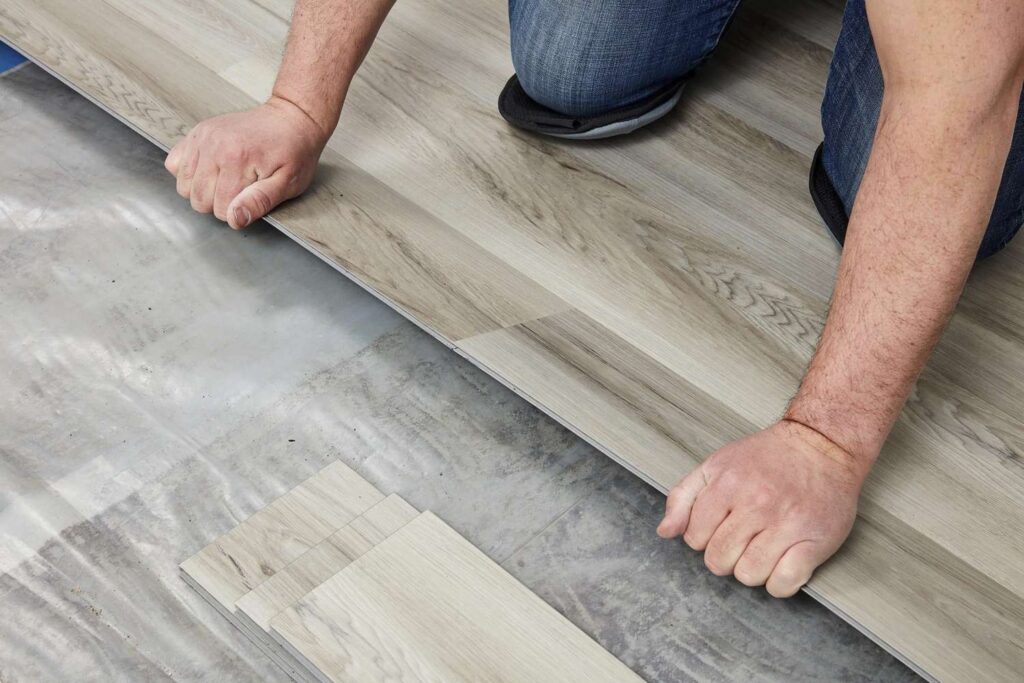
Proper installation is critical to maximizing sheet vinyl performance. Professional installers typically follow specific preparation and installation procedures to ensure long-term durability.
Common installation steps include:
- Subfloor cleaning and leveling
- Moisture testing before installation
- Accurate cutting to room dimensions
- Adhesive application or loose-lay positioning depending on product type
- Seam sealing where necessary
In high-activity environments such as sports facilities, specialized surface materials like sports flooring uae are often considered because they combine vinyl durability with shock absorption and performance safety features.
Correct installation reduces risks such as bubbling, lifting edges, or premature wear.
How sheet vinyl flooring contributes to acoustic insulation and noise reduction in indoor environments
Noise control is an important factor in modern building design, especially in apartments, offices, and healthcare facilities. Sheet vinyl flooring contributes to sound absorption due to its layered construction and flexible backing materials.
Acoustic benefits include:
- Reduced footstep noise transmission
- Lower impact sound levels between floors
- Improved room sound comfort
When combined with underlayment layers, sheet vinyl can significantly improve acoustic performance without adding excessive floor thickness.
Maintenance routines that help extend the lifespan of sheet vinyl flooring without damaging protective layers
Sheet vinyl flooring is relatively easy to maintain compared to many traditional materials. However, proper cleaning methods help preserve the protective wear layer.
Recommended maintenance practices:
- Daily dry sweeping or dust mopping
- Weekly damp mopping using mild cleaners
- Immediate cleaning of spills
- Avoiding abrasive brushes or harsh chemicals
Preventive measures also help extend lifespan:
- Using furniture pads
- Placing entrance mats to reduce dirt tracking
- Avoiding dragging heavy objects across flooring
Consistent maintenance ensures flooring retains both appearance and protective performance.
Safety considerations including slip resistance ratings and surface texture variations for specialized environments
Safety is an essential factor in flooring selection, particularly in public buildings and workplaces. Sheet vinyl flooring is often manufactured with slip-resistant surface textures designed to reduce fall risks.
Safety factors to evaluate include:
- Slip resistance ratings for wet and dry conditions
- Surface texture variations for different environments
- Compliance with building safety standards
- Fire resistance properties
Some decorative flooring styles, including layouts like herringbone floor, are designed not only for visual appeal but also to maintain surface texture performance and stability when manufactured using modern vinyl technology.
Conclusion
Sheet vinyl flooring offers a balance of durability, moisture resistance, and design versatility that makes it suitable for both residential and commercial environments. Its layered construction supports long-term performance, while seamless installation helps protect against water damage and hygiene risks.
Understanding how sheet vinyl compares to other flooring types, how it should be installed, and how it should be maintained helps property owners maximize its benefits. When selected and installed correctly, sheet vinyl flooring can provide reliable performance and aesthetic consistency for many years.
FAQs
What are the main advantages of sheet vinyl compared to other flooring materials?
Sheet vinyl offers water resistance, seamless installation, easy maintenance, and flexible installation over large areas.
Is sheet vinyl flooring safe for areas exposed to water regularly?
Yes. When properly installed and sealed, sheet vinyl performs well in moisture-prone areas like kitchens and bathrooms.
How long does sheet vinyl flooring typically last in residential spaces?
With proper installation and maintenance, sheet vinyl flooring can last many years depending on usage intensity and quality level.
Can sheet vinyl flooring be installed over existing floors safely?
In many cases yes, if the existing floor is stable, level, and free of moisture damage. Proper preparation is still required.
What cleaning methods are recommended for maintaining sheet vinyl surfaces?
Use mild cleaners, damp mopping, and regular dust removal. Avoid abrasive cleaning tools and strong chemical cleaners.