Are you tired of worrying about water damage, scratches, and costly floor replacements? Vinyl flooring offers the perfect balance of durability, affordability, and style for modern homes and businesses. Whether you need a waterproof solution for your kitchen, a scratch-resistant surface for pet-friendly spaces, or an easy-to-install alternative to hardwood, vinyl delivers. With advanced printing technology, today’s vinyl mimics natural wood, stone, or ceramic while providing superior comfort and low maintenance. In this guide, you’ll discover everything about vinyl flooring types, pros and cons, installation methods, and how it compares to other options—helping you make a confident, cost-smart decision.
Vinyl flooring has become one of the most popular choices for both residential and commercial spaces in recent years. Known for its durability, affordability, and wide range of designs, vinyl offers a practical solution that combines style with function. Unlike traditional flooring options such as hardwood or ceramic tiles, vinyl provides excellent resistance to moisture, making it a versatile option for areas prone to spills or humidity. It is commonly used in kitchens, bathrooms, living rooms, and even high-traffic commercial environments.
Vinyl flooring is manufactured using synthetic materials, typically polyvinyl chloride (PVC), and is available in sheets, tiles, or planks. Thanks to advanced printing technology, it can mimic the look of natural wood, stone, or ceramic while offering superior comfort underfoot. Another advantage is that it often comes with protective wear layers that resist scratches, stains, and dents, making it an excellent choice for busy households with children or pets.
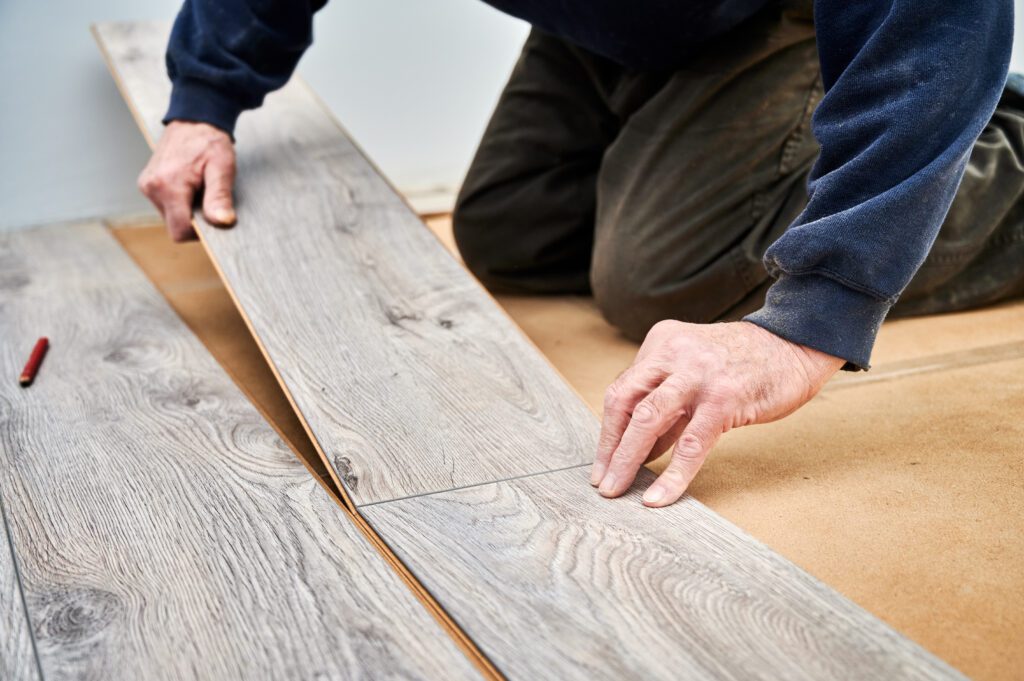
Additionally, vinyl is relatively easy to install compared to other flooring types. Many homeowners opt for DIY installation using click-lock vinyl planks or peel-and-stick tiles. Maintenance is also minimal, requiring only regular sweeping and occasional mopping to keep it looking new.
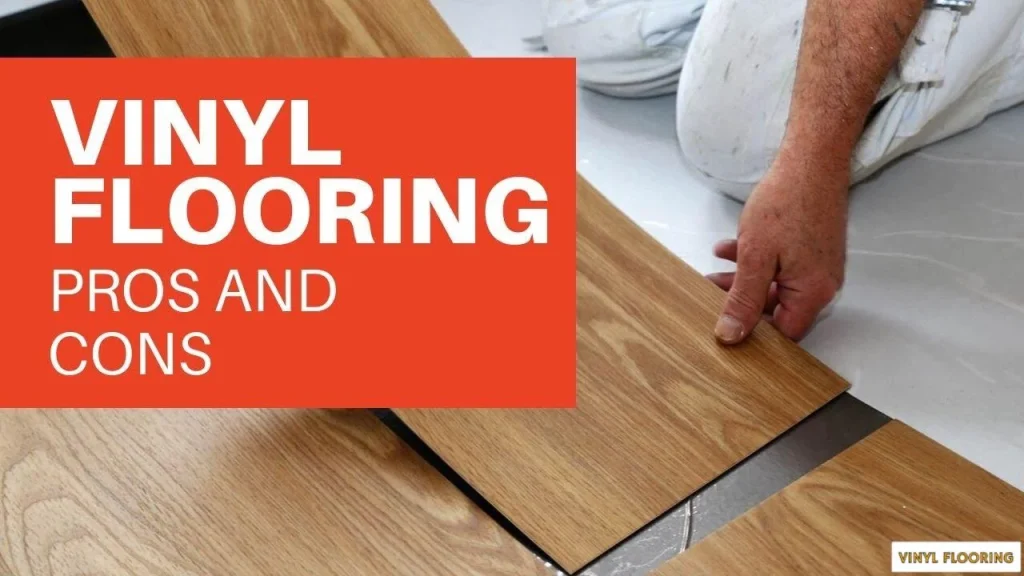
What are the pros and cons of home vinyl flooring?
Are you looking for optimum flooring choice with low maintenance? The first thing any person notices after they visit your house is the floors. If you are looking for the floor with the best properties for your home or your industrial workplace, home vinyl Flooring is what you’re trying to find. Vinyl flooring is a new style of flooring methodology that is primarily utilized in institutional and industrial applications but in home. It’s a sort of resilient flooring that uses vinyl rather than plastic, rubber, linoleum, PVC and different styles of artificial composite floors.
So, it’s extremely suggested to possess the most effective vinyl flooring that appears stunning to the attention, lasts long, and comes in your budget. It mustn’t solely build the guests feel nice however conjointly improve the entire state of being within the house.
Types of Vinyl Flooring
Vinyl flooring comes in various forms, each designed to meet different needs and preferences. Understanding the types can help homeowners and businesses choose the best option for their space.
1. Vinyl Sheet Flooring
This type comes in large, continuous rolls that can cover wide areas with minimal seams. It is ideal for bathrooms, kitchens, and basements where water resistance is crucial. Sheet vinyl is budget-friendly and easy to maintain, but professional installation is often recommended for best results.
2. Vinyl Tile Flooring
Vinyl tiles mimic the appearance of ceramic or stone tiles but are softer underfoot and warmer to the touch. They can be arranged in custom patterns and are available in peel-and-stick or glue-down formats. Vinyl tiles are an affordable way to achieve a sophisticated look without the cost of natural stone.
3. Vinyl Plank Flooring (LVP)
Luxury vinyl planks (LVP) are designed to replicate hardwood flooring. They come in a variety of lengths, widths, and wood-like finishes. Thanks to their click-lock installation system, they are a favorite among DIY enthusiasts. LVP is durable, waterproof, and a stylish alternative to natural hardwood.
4. Luxury Vinyl Tile (LVT)
LVT combines the best features of vinyl with enhanced design realism. It often includes multiple layers for improved comfort, sound absorption, and durability. LVT can resemble high-end stone, ceramic, or wood, offering a premium aesthetic without the associated price tag.
Each type of vinyl flooring offers unique benefits, but all share common advantages: affordability, resilience, and versatility. Whether for a home renovation or a commercial upgrade, vinyl flooring provides endless design possibilities.
Advantages of Vinyl Flooring
One of the primary reasons homeowners and businesses choose vinyl flooring is its wide range of advantages. These benefits make it one of the most practical flooring solutions on the market.
1. Durability and Longevity
Vinyl is designed to withstand heavy foot traffic, scratches, and stains. With proper care, it can last 10–20 years, making it a cost-effective investment.
2. Water and Moisture Resistance
Unlike hardwood or laminate, vinyl is highly resistant to water damage. This makes it an excellent choice for kitchens, bathrooms, laundry rooms, and basements.
3. Comfort and Sound Absorption
Vinyl flooring is softer and warmer underfoot compared to ceramic or stone. Many varieties come with padded underlayers, providing extra comfort and reducing noise, which is ideal for apartments or multi-story homes.
4. Easy Maintenance
Maintaining vinyl flooring is simple. Regular sweeping, vacuuming, and occasional mopping are enough to keep it looking brand new. It does not require sealing or refinishing like natural wood or stone.
5. Affordability
Vinyl flooring is significantly more affordable than hardwood, stone, or ceramic while offering a similar aesthetic. This makes it accessible to a wide range of homeowners.
6. Wide Range of Designs
Modern vinyl comes in countless colors, patterns, and textures. It can convincingly mimic wood, marble, granite, and even abstract designs, giving homeowners endless customization options.
When considering practicality, cost, and aesthetics, vinyl flooring clearly stands out as one of the most advantageous flooring choices available today.
Vinyl Flooring vs. Other Flooring Options
When deciding on flooring, it’s important to compare vinyl with other common materials to see how it stacks up.
Vinyl vs. Hardwood
Hardwood floors are timeless and elegant, but they are expensive, prone to scratches, and sensitive to moisture. Vinyl planks mimic the look of wood without the downsides. They are waterproof, more affordable, and easier to maintain.
Vinyl vs. Laminate
Laminate flooring also imitates wood, but it is less resistant to water. Vinyl, especially LVP and LVT, is waterproof and more durable in humid environments. Laminate can warp when exposed to moisture, while vinyl remains stable.
Vinyl vs. Ceramic Tile
Ceramic tiles are durable and water-resistant, but they can be cold and hard underfoot. Vinyl tiles, on the other hand, provide a softer, warmer surface while offering similar design versatility. Additionally, vinyl is easier to install and less expensive.
Vinyl vs. Carpet
Carpet provides warmth and comfort, but it is harder to clean and less durable in high-traffic areas. Vinyl offers a similar level of comfort, especially with padded backing, but is far easier to clean and maintain.
Overall, flooring provides a balance between affordability, durability, and aesthetics. It combines the best features of other flooring types while minimizing their drawbacks, making it a versatile choice for almost any environment.
Installation of Vinyl Flooring
One of the appealing features of vinyl flooring is the flexibility in installation methods. Depending on the type of vinyl, installation can be DIY-friendly or require professional expertise.
1. Peel-and-Stick Vinyl Tiles
These tiles are the easiest to install. They come with an adhesive backing that allows homeowners to peel off the protective layer and stick them directly onto the subfloor. This method is quick, affordable, and ideal for small projects.
2. Click-Lock Vinyl Planks
Luxury vinyl planks often feature a click-lock system that allows the planks to snap together without glue. This floating floor installation method is popular among DIY enthusiasts. It requires minimal tools and can be done over most existing floors.
3. Glue-Down Vinyl
Some types of flooring require adhesive application. This method ensures stability and durability, especially in high-traffic commercial spaces. However, it is best handled by professionals to ensure a smooth, seamless finish.
4. Sheet Vinyl Installation
Installing sheet vinyl is more complex due to its large size. It often requires professional assistance to cut, fit, and secure it properly without bubbles or wrinkles.
Regardless of the method, vinyl flooring installation is generally quicker and less expensive than hardwood or tile. Proper preparation, such as leveling the subfloor and ensuring it is clean and dry, is crucial for long-lasting results.
Home vinyl flooring types
Home vinyl flooring are of two types. One of the floorings is vinyl sheet flooring. This flooring material is laid down in sheets which is more water resistant and is easier to install.
Vinyl tile is another type of flooring. They are preferred by majority because it replicates the look of a ceramic tile floor at a more affordable cost. There are some of the best features of home flooring vinyl tiles. Home flooring in tile is often installed in commercial settings. These tiles are desired in areas of home where high traffic is a constant with a static-free environment. For any household, it can be a versatile and cost-effective choice.
People prefer these vinyl tiles for their home flooring where a significant amount of moisture is expected. This could be the best choice in replacement of carpets because it is very easy to maintain. Vinyl tiles for flooring are less expensive than inlaid floors.
Pros of home vinyl flooring
- Home vinyl flooring is durable and long-lasting
- It has the tendency to bear heavy foot traffic.
- It reduces noise and is comfortable underfoot.
- Home flooring is also less expensive than many other flooring options and is easy to install and maintain.
- The best thing to install home vinyl flooring is, it comes in a wide range of colors and patterns to match every décor
Cons of home vinyl flooring
Home flooring is not recommended for outdoors because of the following disadvantages it have,
- This flooring do not stand up well to heavy loads
- It can be damaged by sharp objects.
- Colors of this flooring can fade with exposure to too much direct sunlight
- floors can be damaged by extreme temperatures.
Key points to know before you install your flooring
Try to find the top-selling company to get all the pros you want to have in your flooring. Custom made your flooring by giving the attractive designs and outstanding style to grab the attention. If you hire professionals to install home Flooring, they match to any theme of interior. In return, your flooring will surely give a stylish look to your house. Experts of this flooring never compromise with the quality of the product.
Eco-Friendly Aspects of Vinyl Flooring
Sustainability has become a priority in modern construction, and flooring is evolving to meet these demands.
Low-VOC Options
Many manufacturers now produce flooring with low volatile organic compounds (VOCs), ensuring healthier indoor air quality.
Recycled Content
Some vinyl floors are made using recycled materials, reducing waste and environmental impact. Additionally, many products can be recycled at the end of their life cycle.
Energy Efficiency
flooring’s insulating properties help maintain indoor temperatures, potentially reducing energy consumption for heating and cooling.
Longevity and Waste Reduction
Because vinyl lasts for decades with minimal replacement, it reduces waste compared to flooring that needs frequent updates.
Certifications
Look for vinyl products certified by environmental organizations, ensuring they meet sustainability standards.
By choosing eco-friendly vinyl flooring, homeowners can enjoy the benefits of durability and style while also contributing to environmental responsibility.
Conclusion
Vinyl flooring has emerged as one of the most versatile and practical flooring solutions available today. From its wide range of types—including sheets, tiles, and planks—to its ability to mimic natural materials, vinyl offers unmatched flexibility. Its advantages, including durability, water resistance, affordability, and easy maintenance, make it a top choice for both homes and businesses.
Installation is accessible to both DIY enthusiasts and professionals, while modern design options allow for endless creativity. The affordability of vinyl, combined with its long lifespan, ensures excellent value for money. Furthermore, eco-friendly innovations make it a sustainable option in today’s environmentally conscious world.
The most important frequently asked questions about vinyl flooring
What are the main types of vinyl flooring?
The main types are vinyl sheet flooring, vinyl tile flooring, vinyl plank flooring (LVP), and luxury vinyl tile (LVT). Each offers different benefits for water resistance, design, and DIY installation ease.
Is vinyl flooring completely waterproof?
Most modern vinyl flooring is 100% waterproof, especially luxury vinyl planks and tiles. Sheet vinyl is also highly water-resistant, making it ideal for bathrooms, kitchens, and basements prone to moisture.
How long does vinyl flooring typically last?
With proper care and maintenance, vinyl flooring can last between 10 to 20 years. Its durability depends on foot traffic, quality of the wear layer, and correct installation.
Can I install vinyl flooring myself?
Yes. Peel-and-stick tiles and click-lock vinyl planks are designed for DIY installation. However, sheet vinyl and glue-down types often require professional help for a seamless, bubble-free finish.
What are the disadvantages of vinyl flooring?
Vinyl can be damaged by sharp objects, heavy furniture, and extreme temperatures. Direct sunlight may also cause fading over time. It is not recommended for outdoor use.
How do I clean and maintain vinyl flooring?
Regular sweeping or vacuuming removes dirt. Mop occasionally with a damp cloth and mild, vinyl-safe cleaner. Avoid harsh chemicals, steam mops, and excessive water to prevent damage.
Is vinyl flooring eco-friendly?
Many vinyl floors now feature low VOCs, recycled content, and recyclability. Look for certified products from environmental organizations to ensure healthier indoor air and reduced waste.
Which is better for kitchens: vinyl or ceramic tile?
Vinyl is softer, warmer, and more comfortable underfoot than ceramic tile. It is also less expensive and easier to install. Both are water-resistant, but vinyl offers better impact absorption.
Can vinyl flooring mimic hardwood realistically?
Yes. Luxury vinyl planks (LVP) use high-resolution printing and embossed textures to replicate natural wood grain, color variations, and even hand-scraped finishes—at a fraction of hardwood’s cost.
What should I know before buying vinyl flooring?
Choose a reputable brand, check the wear layer thickness for durability, ensure it’s suitable for your room’s moisture level, and decide between DIY-friendly or professional installation for best results.