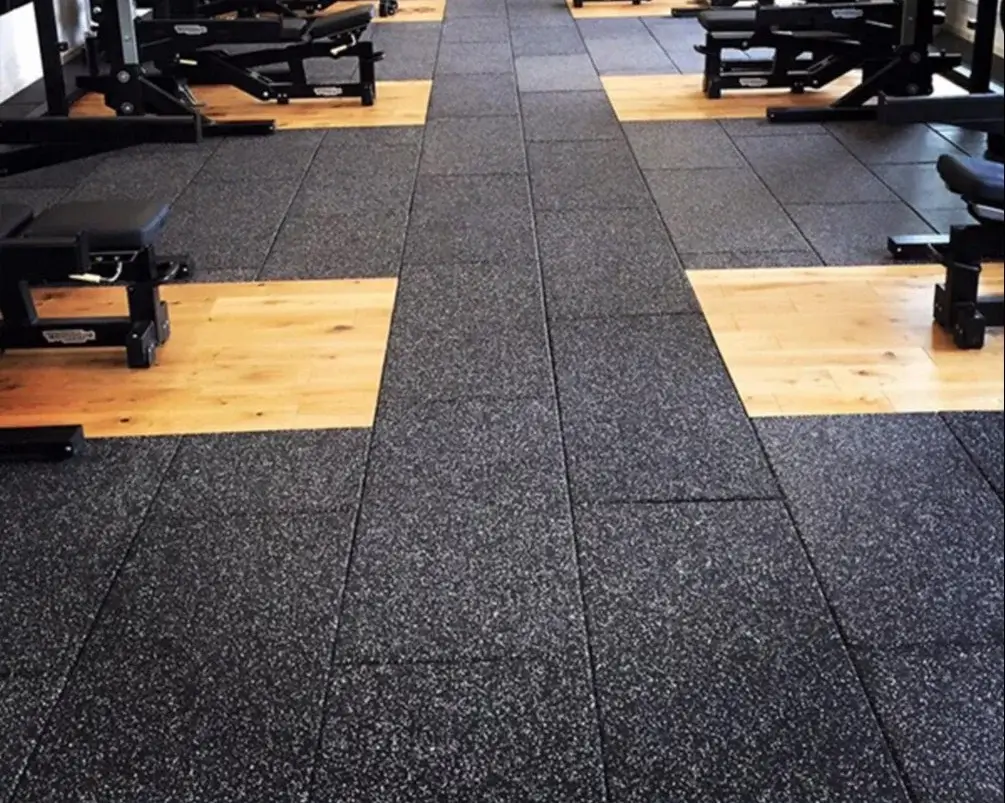
Dropping heavy weights should never mean damaging your floors or risking injury. Gym rubber flooring has become the trusted solution for fitness centers and home gyms alike, offering unmatched durability, shock absorption, and slip resistance. Whether you are setting up a commercial workout facility or a small training space at home, rubber flooring protects both athletes and equipment while reducing noise and joint stress. Its waterproof, easy-to-clean surface also promotes a more hygienic environment. In this guide, you will learn about the different types of rubber flooring, key benefits, installation tips, and how to choose the best option for your fitness needs—helping you build a safer, longer-lasting gym.
Gym rubber flooring has become the gold standard for fitness centers, home gyms, and sports facilities worldwide. Designed to withstand heavy use, rubber flooring provides a balance of durability, comfort, and safety that other materials simply cannot match. One of the main reasons athletes, trainers, and gym owners prefer rubber flooring is its ability to absorb impact and reduce the stress on joints during high-intensity workouts. Whether it is heavy weightlifting, cardio training, or functional exercises, rubber flooring creates a safer and more effective workout environment.
In addition to performance benefits, rubber gym flooring is also highly versatile in design. It comes in rolls, interlocking tiles, and mats, making it suitable for small home setups as well as large commercial fitness centers. A wide range of thickness options ensures that the flooring can be tailored to specific activities, from yoga studios to CrossFit boxes.
Another key advantage is ease of maintenance. Rubber is resistant to water, sweat, and bacteria, making it a hygienic flooring choice for any gym. With regular cleaning, it can last for years without losing its quality or performance. Furthermore, modern rubber flooring is eco-friendly, often made from recycled materials such as old car tires, which contributes to sustainability.
How do you get the safety flooring by gym rubber flooring?
If we take a survey, we observe that in an ancient trend, exercise was not popular at that time. Only wrestlers do it for fighting and earn their bread and butter. But now this trend was in fashion and now it has become a profession according to the IHRSA international health racquet and sports club association. The fitness industry is increasing 3 to 4% annually from the last 10 years and this progress is continuing. With time, people are conscious about their health and fitness, so they go to the gym to make themselves fit and active.
In the market the gym rubber flooring has been designed which gives extra value to your fitness club. People also use gym mats as an ideal option for that area where you place heavy machinery. Nowadays fitness centers are a necessity for every person. Gym rubber flooring gives safety to people from abrasions of heavy objects. These days gym rubber flooring available is reliable and gives versatility to the area where you install this, and trainers enjoy doing exercise on gym flooring as are best for those people who made a gym area in their home.
Gym rubber flooring is durable and gives ultra-modern look to home. Customers must appreciate the quality of our product which has never been destroyed. If you go for gym mats, they are safe to use because they are made with anti-slippery quality and people feel safe from falling and other serious injuries. Gym rubber flooring is popular because of the wide range of colors and designs. They are available in attractive and unique designs that perfectly go according to their interior.
Gym flooring is prepared by efficient designers and its new and latest technique is helpful to reduce noise. Some of the benefits of gym flooring are as follow:
- Quality flooring: When we want to buy the flooring, we always prefer the durability. It is true that gym rubber flooring is quite durable, and its quality speaks for itself. This flooring creates something new and trendy when you install it.
- Affordable flooring: If you need to have affordable flooring, this gym rubber flooring is the best option you go for.
- You will have the comfortable floor : Gym rubber flooring is comfortable enough wherever you install. Especially, it makes the method of exercise easy for people. When doing exercise, you don’t need to worry about falling or any other serious injury because this flooring is helpful for any breakage of muscles and bones.
- Peaceful fitness environment : For the peaceful fitness environment, there is a complete range of gym rubber flooring that is especially designed for all kind of gyms. It provides a peaceful fitness environment to its trainers.
- Safety and healthy environment : We know it is important to have a safe and healthy environment wherever you install the flooring. For the sake of this purpose this gym rubber flooring is made using good and quality-based material which provide complete comfort to people and they feel easy after using this.
Benefits of Gym Rubber Flooring
Rubber flooring offers numerous benefits that make it one of the most popular choices for gym owners and fitness enthusiasts. The first and most significant advantage is shock absorption. When lifting heavy weights or performing high-impact exercises, the flooring helps absorb the force, protecting both the equipment and the floor underneath. This also minimizes the risk of injuries caused by slips or falls.
Another major benefit is durability. Rubber flooring is designed to endure constant foot traffic, dropped weights, and equipment movement without wearing out quickly. Unlike hardwood or vinyl, rubber retains its shape and resilience even under extreme pressure. This long-lasting nature makes it a cost-effective investment.
Noise reduction is another important feature. Gyms can be noisy environments, especially with heavy weights dropping or machines running. Rubber flooring naturally dampens sound, creating a more pleasant workout atmosphere.
From a maintenance perspective, rubber is easy to clean. A simple vacuum or mop is usually enough to keep it looking fresh. It resists stains, moisture, and odor, making it more hygienic than carpets or porous surfaces.
Design flexibility is also a strong advantage. Rubber flooring comes in various colors, textures, and thicknesses, allowing gym owners to customize the look and feel of their fitness space. Some even choose speckled designs to hide dirt and scuff marks.
Finally, rubber flooring is eco-friendly. Many manufacturers use recycled rubber, making it a sustainable choice that reduces environmental impact. All these benefits together explain why rubber flooring is considered an essential element in any gym design.
Types of Gym Rubber Flooring
Gym rubber flooring comes in different forms, each designed for specific applications and user needs. The three most common types are rubber rolls, interlocking tiles, and rubber mats.
Rubber rolls are ideal for covering large areas such as commercial gyms. They provide a seamless look, reduce tripping hazards, and are available in various thicknesses. Installation usually involves rolling them out and securing them with adhesive or double-sided tape.
Interlocking tiles are a popular choice for home gyms and smaller fitness spaces. They fit together like puzzle pieces, making them easy to install and replace if one gets damaged. This modular design is perfect for people who want flexibility in their gym setup.
Rubber mats are typically used for specific workout zones, such as under weightlifting platforms, treadmills, or squat racks. They are thick and heavy-duty, designed to protect both the floor and equipment from impact.
Beyond these main types, there are virgin rubber flooring options, which are made from new rubber and provide superior durability, and recycled rubber flooring, which is more affordable and eco-friendly. Some gyms also use EPDM rubber, known for its colorful speckled designs and UV resistance.
Choosing the right type depends on factors like budget, space size, and workout style. For example, CrossFit gyms might prefer thick mats for heavy lifting, while yoga studios may opt for thinner rolls. By understanding the different options, gym owners can select flooring that best suits their specific needs.
Installation of Gym Rubber Flooring
Installing gym rubber flooring is a straightforward process, but it varies depending on the type of flooring chosen. For rubber rolls, professional installation is often recommended, as cutting and aligning large rolls can be challenging. The rolls are laid out, trimmed to fit, and secured with adhesive for a seamless finish.
Interlocking tiles, on the other hand, are easy to install without professional help. They simply snap together like puzzle pieces, making them an excellent choice for DIY home gym setups. Since they do not require adhesives, they can also be relocated or replaced easily.
Rubber mats require minimal installation effort. Most are heavy enough to stay in place without adhesives. For extra stability, double-sided tape can be used, especially in high-traffic areas.
Before installation, it is crucial to prepare the subfloor. The surface should be clean, dry, and level to prevent unevenness or movement of the flooring. Measuring the area accurately ensures the right amount of material is purchased, avoiding wastage.
Some gyms also install underlayments beneath rubber flooring for extra cushioning and sound insulation. This is especially useful in apartment gyms or fitness studios located in multi-story buildings.
Overall, the installation process is quick and cost-effective, especially compared to hardwood or ceramic flooring. The flexibility of installation methods makes rubber flooring an attractive choice for both commercial and personal fitness spaces.
Gym Rubber Flooring Maintenance and Cleaning in Dubai
Gym rubber flooring is relatively easy to maintain, but cleaning should match the level of traffic and workout activity.In Dubai gyms, regular sweeping or vacuuming helps remove dust, grit, and debris before they wear the surface, while a damp mop with water and a mild, manufacturer-approved cleaner is suitable for routine cleaning.
Avoid bleach, aggressive solvents, and abrasive cleaning methods that may affect the rubber surface or its slip-resistant texture.Sweat and spills should be removed promptly, particularly in high-use weightlifting and cardio zones.
For commercial facilities, a consistent cleaning schedule is more reliable than occasional deep cleaning and helps maintain hygiene, traction, and the appearance of the floor.For broader rubber material options and maintenance considerations, see our rubber flooring solutions.
Gym Rubber Flooring vs. Other Flooring Options
When choosing flooring for a fitness space, rubber stands out compared to alternatives such as vinyl, foam, carpet, and hardwood. Each has its pros and cons, but rubber often proves to be the most practical option.
Foam flooring is lightweight and inexpensive, making it popular for yoga and home gyms. However, it lacks durability and can be easily damaged by heavy weights. Rubber, on the other hand, withstands impact and lasts longer.
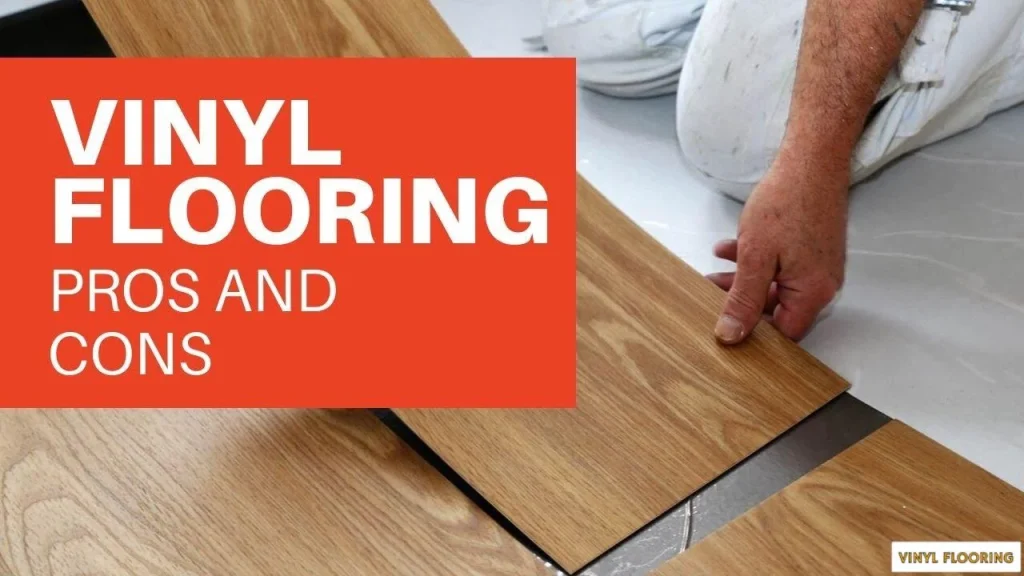
Vinyl flooring offers a sleek appearance and is easy to clean. Yet, it is not as shock-absorbent as rubber, making it less suitable for high-impact workouts or weightlifting.
Carpeted gyms provide comfort but are difficult to clean and prone to trapping sweat and odors. Rubber’s resistance to moisture and bacteria makes it a more hygienic alternative.
Hardwood floors are elegant and often used in dance studios or multipurpose halls. However, they require high maintenance and are easily damaged by heavy equipment. Rubber flooring provides better protection and requires less upkeep.
Overall, while each material has its niche applications, rubber flooring combines durability, safety, and cost-effectiveness in a way that few alternatives can match.
Commercial Uses of Gym Rubber Flooring
Rubber flooring is widely used in commercial gyms, fitness centers, and sports facilities due to its strength and versatility. In high-traffic areas, it ensures safety, reduces noise, and protects both the floor and equipment.
In weightlifting zones, thick rubber mats are essential for absorbing the impact of dropped weights. This not only prevents floor damage but also minimizes noise, creating a more enjoyable workout environment.
Cardio areas with treadmills, ellipticals, and stationary bikes benefit from rubber flooring because it reduces vibrations and prevents machines from shifting.
In functional training spaces, rubber flooring provides excellent grip and stability, reducing the risk of slipping during high-intensity workouts like CrossFit or HIIT.
Sports facilities such as basketball courts, indoor tracks, and martial arts studios also incorporate rubber flooring for shock absorption and injury prevention.
Additionally, commercial gyms value rubber flooring for its professional appearance and ability to withstand years of heavy use. Since it comes in customizable designs and colors, it also enhances the branding and aesthetics of the facility.
In short, gym rubber flooring is not just practical—it is a key factor in creating safe, durable, and attractive fitness environments in commercial settings.
Home Gym Applications of Rubber Flooring
For fitness enthusiasts building a home gym, rubber flooring is an excellent choice. It transforms any space—garage, basement, or spare room—into a functional and safe workout area.
One of the biggest advantages is floor protection. Home floors are not designed to withstand the impact of heavy weights, but rubber mats or tiles prevent cracks, scratches, and other damage.
Rubber flooring also reduces noise and vibration, which is especially useful for those living in apartments or shared houses. This ensures a more peaceful environment for both the user and neighbors.
Home gym users also appreciate the easy installation of rubber flooring. Interlocking tiles and mats require no adhesives, allowing DIY installation and relocation if necessary.
The cost-effectiveness of rubber flooring is another plus. Compared to other flooring solutions, it offers the best balance between price and performance. It also requires minimal maintenance, which is convenient for homeowners.
Finally, rubber flooring enhances safety. Its slip-resistant surface and cushioning properties reduce the risk of injuries, making it suitable for a variety of exercises—from weightlifting to yoga.
Overall, rubber flooring is a smart investment for anyone building a home gym, offering durability, functionality, and long-term value.
Recycled Rubber Flooring for Gyms: Materials and Durability
Many gym rubber flooring products use recycled rubber, including material recovered from end-of-life tires, while other products are manufactured from virgin rubber or blends.
Recycled content can help reduce material waste, but the environmental profile depends on the product’s composition, manufacturing process, durability, and end-of-life options.
Long service life is another practical sustainability benefit because a durable floor may need replacement less frequently when properly specified and maintained.
EPDM can also be used in certain rubber flooring systems where color, weather resistance, or specific performance characteristics are required.
For gym projects in Dubai and Abu Dhabi, material selection should therefore consider workout intensity, thickness, expected wear, maintenance, and installation conditions rather than choosing a product based on recycled content alone.
Where a different resilient surface is more appropriate for a particular sports application, sports vinyl flooring is another option to evaluate.
Gym Flooring FAQs: Rubber Safety, Thickness, Installation and Maintenance
For gym flooring in Dubai and Abu Dhabi, the most important specification factors are the workout type, impact level, equipment load, traffic, required slip resistance, and the condition of the subfloor.Rubber rolls, interlocking tiles, and heavy-duty mats can serve different areas, so thickness should be selected according to the application rather than using one thickness throughout the facility.
Heavy weightlifting and areas exposed to dropped weights generally require more impact protection than light cardio, stretching, or yoga zones.Installation also depends on the format: interlocking tiles may be suitable for simpler installations, while large rubber rolls usually require careful substrate preparation, accurate cutting, and appropriate adhesive installation.
The same principle applies to cleaning and safety: follow the flooring manufacturer’s maintenance and installation requirements to preserve performance over time.
Conclusion
Gym rubber flooring is much more than just a surface to exercise on—it is the foundation of a safe, durable, and high-performing fitness environment. From commercial gyms to home setups, it offers unmatched benefits in shock absorption, durability, noise reduction, and hygiene. With various types available, including rolls, tiles, and mats, it can be customized to fit any space or budget.
Its eco-friendly qualities and long lifespan make it a smart investment for those who care about sustainability. Easy installation and low maintenance further add to its appeal, making it suitable for both professionals and fitness enthusiasts.
In comparison to other flooring options, rubber consistently outperforms in areas that matter most—safety, durability, and long-term value. Whether for weightlifting, cardio, yoga, or functional training, rubber flooring ensures a better and safer workout experience.
Q: What is the best gym flooring for a commercial gym in Dubai?
A: Rubber flooring is a strong choice for commercial gyms because it handles heavy traffic, equipment movement, impact, and repeated workouts. The appropriate thickness and format should be selected according to each training zone.
Q: Is rubber safety flooring suitable for weightlifting areas?
A: Yes. Heavy-duty rubber flooring can absorb impact from weights and help protect the underlying subfloor. Areas where weights are frequently dropped generally require thicker, higher-density protection than light workout areas.
Q: What thickness of gym rubber flooring should I choose?
A: Thickness depends on the activity, equipment, impact level, and subfloor. Heavy weightlifting usually requires more impact protection than cardio, stretching, or yoga areas, so the specification should be based on the intended use.
Q: Are rubber rolls or interlocking tiles better for a gym?
A: Rubber rolls are well suited to large commercial areas where a more continuous finish is preferred. Interlocking tiles are modular and easier to replace, making them useful for smaller gyms or areas where individual sections may need replacement.
Q: Is gym rubber flooring slip-resistant?
A: Quality rubber flooring can provide good traction, but slip resistance varies by product texture, surface condition, footwear, and moisture. Always check the manufacturer’s tested performance data for the specific product.
Q: Does rubber flooring reduce gym noise?
A: Yes, rubber can help reduce impact and vibration noise from footsteps, equipment, and dropped weights. The level of noise reduction depends on the rubber’s thickness, density, installation, and the building structure.
Q: How do I clean rubber flooring in a gym?
A: Sweep or vacuum regularly to remove dust and grit, then damp-mop with water and a mild manufacturer-approved cleaner. Avoid bleach, aggressive chemicals, and abrasive cleaning methods unless specifically approved for the flooring.
Q: Can gym rubber flooring be installed over concrete?
A: Yes, rubber flooring can be installed over suitable concrete when the substrate is clean, dry, sufficiently level, and compatible with the selected installation system. Moisture and surface conditions should be checked before installation.
Q: Is rubber flooring suitable for home gyms in Dubai?
A: Yes. Rubber mats and interlocking tiles can provide impact protection, traction, and noise reduction for home gyms. The correct product depends on the equipment, workout intensity, available space, and subfloor.
Q: Can rubber gym flooring be used in Abu Dhabi as well as Dubai?
A: Yes. Rubber gym flooring can be supplied for residential and commercial fitness spaces in both Dubai and Abu Dhabi. Product selection should account for the facility’s usage intensity, indoor conditions, installation requirements, and maintenance routine.