Flooring technology has come a long way, and PVC vinyl flooring is leading the charge with innovations that blend stunning design, exceptional durability, and eco-conscious manufacturing.
Gone are the days when vinyl meant plain, low-quality surfaces. Today’s PVC vinyl flooring features hyper-realistic wood and stone textures, waterproof rigid cores, and scratch-resistant wear layers that outperform many traditional materials.
Whether you need a solution for a busy kitchen, a moisture-prone basement, or a high-traffic commercial space, modern PVC vinyl offers comfort, easy maintenance, and affordable luxury. In this guide, we explore the latest trends, types, installation methods, and benefits of PVC vinyl flooring to help you make an informed choice.
Innovations and trends in PVC vinyl flooring technology have revolutionized the flooring industry, offering consumers a wide array of options that combine practicality, aesthetics, and sustainability. PVC vinyl flooring, once known primarily for its durability and affordability, has evolved to encompass cutting-edge technology and design innovations that cater to the ever-changing needs and preferences of homeowners and designers alike.
In this era of constant innovation, PVC vinyl flooring stands out as a versatile and dynamic flooring solution that continues to push boundaries and redefine interior spaces. From advancements in manufacturing techniques to the introduction of new materials and design concepts, the world of PVC vinyl flooring is experiencing an exciting transformation that reflects the demands of modern living.
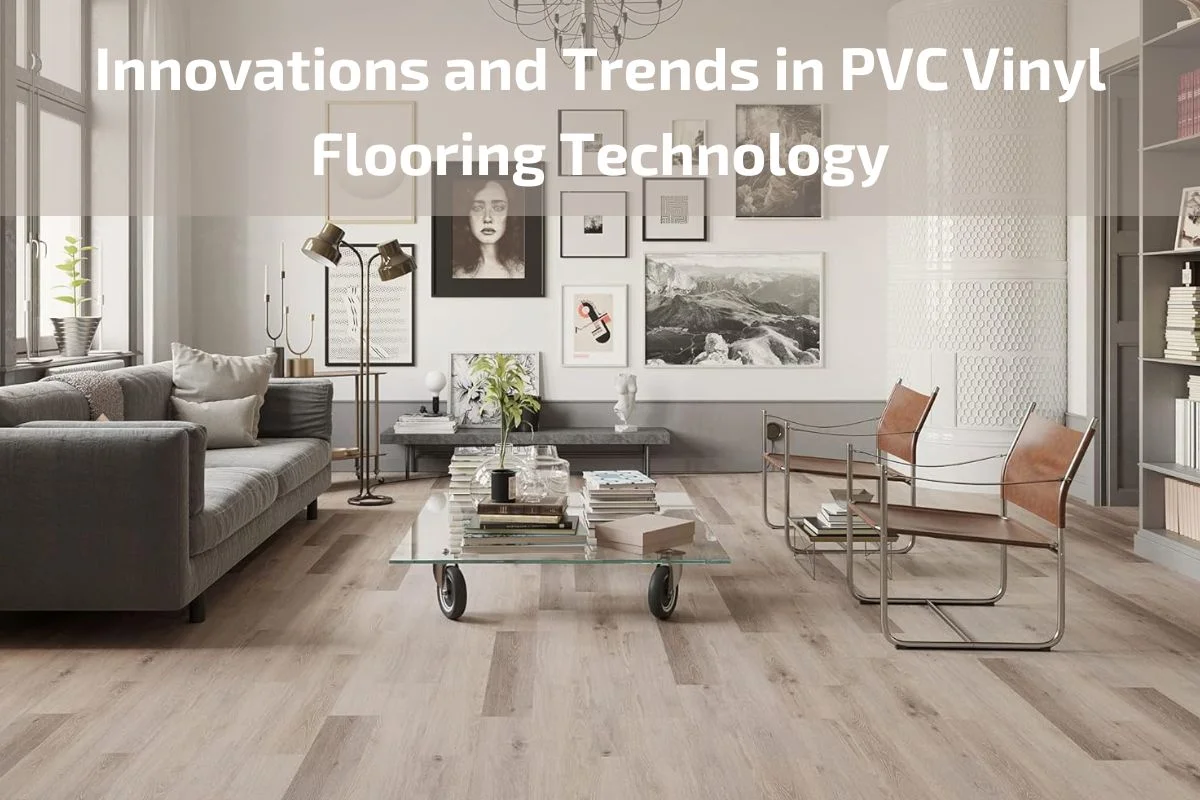
Brief Overview of PVC Vinyl Flooring
PVC vinyl flooring, also known as polyvinyl chloride flooring, is a versatile and popular flooring option used in residential and commercial spaces worldwide. It is composed of layers of PVC material that are fused together to create a durable and flexible flooring surface. PVC vinyl flooring comes in various forms, including luxury vinyl tile (LVT), vinyl plank flooring, and sheet vinyl flooring.
PVC vinyl flooring is renowned for its durability, water resistance, and ease of maintenance. It is highly resistant to scratches, stains, and wear, making it an ideal choice for high-traffic areas such as kitchens, bathrooms, and commercial spaces. With advancements in technology, PVC vinyl flooring now offers a wide range of designs, colors, and textures, including realistic wood and stone patterns, allowing homeowners and designers to achieve their desired aesthetic.
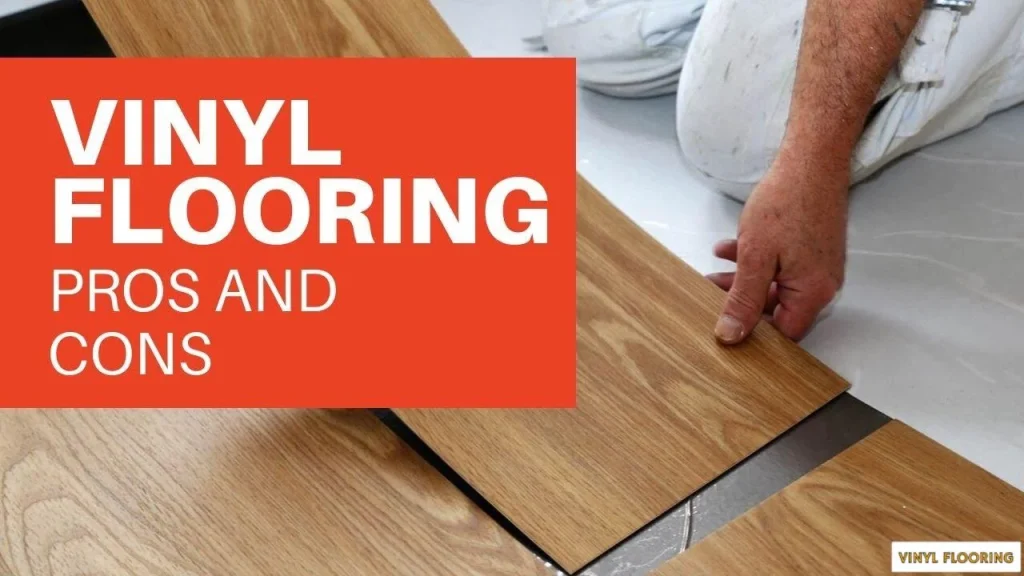
One of the key advantages of PVC vinyl flooring is its easy installation process. It can be installed using different methods such as glue-down, click-lock, or floating installation, depending on the type of vinyl flooring chosen and the specific requirements of the space.
Overall, PVC vinyl flooring offers a cost-effective and practical flooring solution that combines durability, versatility, and aesthetic appeal, making it a popular choice for modern interior design projects.
Importance and Popularity of PVC Vinyl Flooring in Modern Design
PVC vinyl flooring has gained significant importance and popularity in modern design for several compelling reasons.
Versatility: PVC vinyl flooring offers a wide range of design options, including realistic wood, stone, and tile patterns. This versatility allows homeowners and designers to achieve various aesthetic styles and themes, from traditional to contemporary.
Durability: PVC vinyl flooring is highly durable and resilient, capable of withstanding heavy foot traffic, scratches, and stains. Its wear layer provides protection against everyday wear and tear, making it suitable for busy households and commercial spaces.
Water Resistance: Many PVC vinyl flooring products are waterproof or water-resistant, making them ideal for moisture-prone areas such as kitchens, bathrooms, and basements. This feature adds to the flooring’s durability and longevity.
Easy Maintenance: PVC vinyl flooring is easy to clean and maintain, requiring only regular sweeping, vacuuming, and occasional mopping with a damp cloth. Unlike natural materials like hardwood or stone, PVC vinyl flooring does not require special sealants or treatments.
Affordability: Compared to other flooring options such as hardwood or ceramic tile, PVC vinyl flooring is generally more affordable. Its lower cost makes it accessible to a wide range of homeowners and allows for budget-friendly remodeling and renovation projects.
Installation Flexibility: PVC vinyl flooring can be installed using various methods, including glue-down, click-lock, and floating installations. This flexibility makes it suitable for different subfloor types and allows for easy replacement or updates in the future.
Comfort Underfoot: PVC vinyl flooring offers a comfortable surface to walk on, with some varieties featuring built-in underlayment for added cushioning and noise reduction. This comfort factor enhances the overall experience of living and working in spaces with PVC vinyl flooring.
Eco-Friendly Options: With growing environmental concerns, manufacturers have introduced eco-friendly PVC vinyl flooring options made from recycled materials and low-VOC (volatile organic compound) emissions. These eco-conscious choices appeal to environmentally conscious consumers.
Durability and Longevity
PVC vinyl flooring is known for its exceptional durability. High-quality vinyl products are designed to resist scratches, dents, stains, and wear, making them ideal for high-traffic areas such as offices, retail spaces, and kitchens. The surface wear layer protects the printed design beneath, ensuring that the floor retains its appearance for many years. Some commercial-grade vinyl flooring products can last 20 years or more with proper care.
The flooring is also resistant to moisture, mold, and mildew, which can damage natural wood or carpet. Its flexibility allows it to withstand minor subfloor imperfections without cracking.
The lifespan of PVC vinyl depends on the quality of the material, thickness of the wear layer, and proper maintenance. Regular cleaning and avoidance of excessive sharp objects or heavy dragging can extend the life of the floor. Overall, PVC vinyl provides a long-term, low-maintenance solution for both residential and commercial applications.
7. Maintenance and Cleaning
Maintaining PVC vinyl flooring is straightforward and cost-effective. Its smooth, resilient surface makes it resistant to stains and easy to clean. Regular sweeping or vacuuming prevents dust, dirt, and grit from scratching the floor. For deeper cleaning, damp mopping with a mild detergent is sufficient. Harsh chemicals should be avoided as they may damage the protective wear layer.
Spills should be wiped promptly to prevent staining, although most PVC vinyl products are naturally stain-resistant. Using floor protectors under furniture can prevent dents and scratches, and area rugs in high-traffic zones can further extend the floor’s lifespan.
Proper maintenance not only keeps the floor looking attractive but also preserves its durability and comfort over time. Unlike natural materials, PVC vinyl does not require waxing, polishing, or sealing, which makes it a practical and low-maintenance flooring option for busy households and commercial spaces alike.
Environmental Considerations
While PVC vinyl flooring offers many benefits, environmental considerations are important. Traditional PVC flooring is made from polyvinyl chloride, which can raise concerns due to chemical additives and manufacturing processes. However, many modern manufacturers produce eco-friendly vinyl products with recycled content, low VOC emissions, and compliance with indoor air quality standards.
Some vinyl flooring options are fully recyclable and contribute to sustainable building practices. Choosing low-VOC and phthalate-free products ensures a safer indoor environment, especially for children and individuals with sensitivities. As sustainability becomes increasingly important, manufacturers are investing in greener production methods, making PVC vinyl a more environmentally responsible choice compared to traditional options like carpet or laminate. By selecting certified eco-friendly products, homeowners can enjoy the benefits of PVC vinyl while reducing their environmental footprint.
Cost and Value
PVC vinyl flooring is affordable and cost-effective, providing the appearance of premium materials without the associated price. Sheet vinyl is typically the most economical option, while luxury vinyl planks and tiles are slightly higher in cost but offer superior aesthetics and durability.
Installation costs vary depending on the method used, but DIY-friendly options can significantly reduce expenses.
In addition to affordability, PVC vinyl provides excellent value through its durability, low maintenance, and water resistance. Unlike hardwood or natural stone, it does not require refinishing, sealing, or special care. Its long lifespan, combined with ease of cleaning and repair, ensures a strong return on investment for both homeowners and commercial property owners.
Ultimately, PVC vinyl flooring balances cost, performance, and style, making it a practical and attractive flooring choice for a wide range of applications.
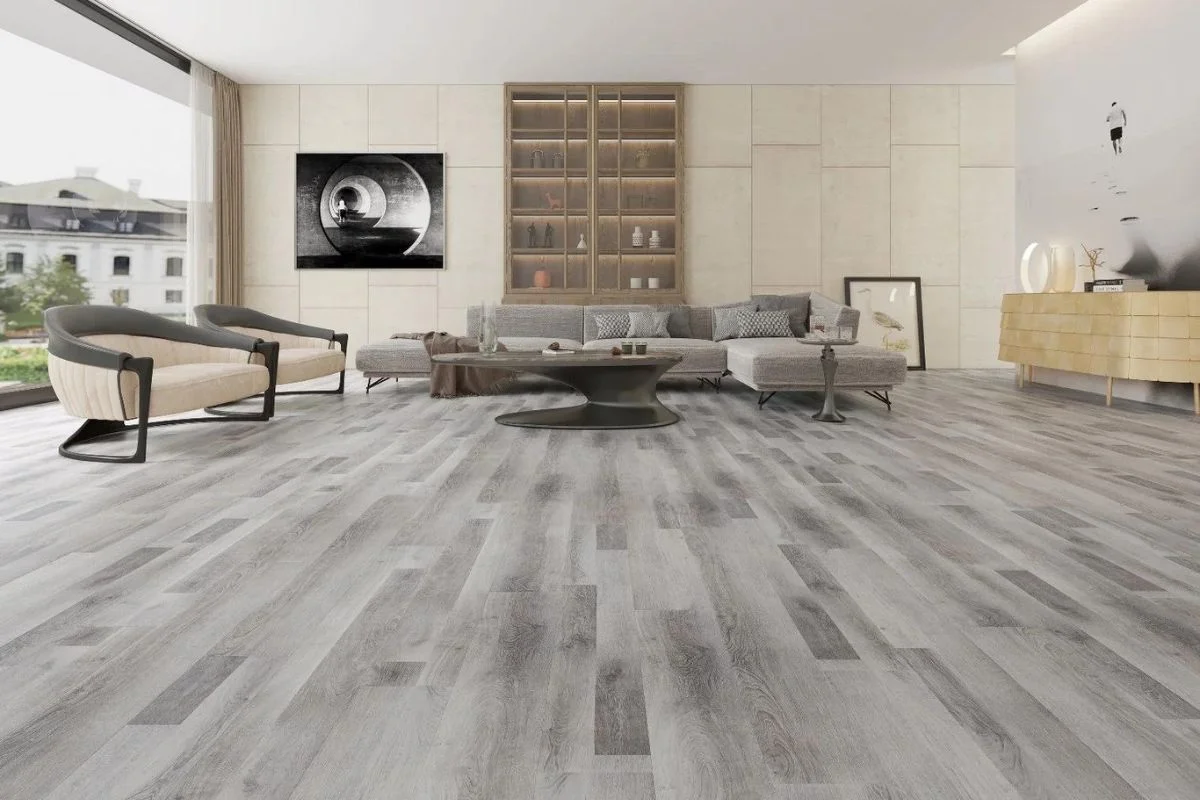
Advantages and Disadvantages of PVC Vinyl Flooring
PVC vinyl flooring offers several advantages that make it a popular choice for residential and commercial spaces:
Advantages:
Durability: PVC vinyl flooring is highly durable and resistant to scratches, stains, and dents. Its wear layer provides protection against everyday wear and tear, making it suitable for high-traffic areas.
Water Resistance: Many PVC vinyl flooring options are waterproof or water-resistant, making them ideal for moisture-prone areas such as kitchens, bathrooms, and basements.
Easy Maintenance: PVC vinyl flooring is easy to clean and maintain. Regular sweeping, vacuuming, and mopping with a damp cloth are usually sufficient to keep it looking fresh and clean.
Versatility in Design: PVC vinyl flooring comes in a wide range of designs, colors, and patterns, including realistic wood, stone, and tile looks. This versatility allows homeowners and designers to achieve various aesthetic styles and themes.
Comfort Underfoot: Some varieties of PVC vinyl flooring feature built-in underlayment for added comfort and noise reduction, providing a comfortable surface to walk on.
Affordability: PVC vinyl flooring is generally more affordable compared to other flooring options such as hardwood or ceramic tile, making it accessible to a wide range of consumers.
Disadvantages:
Volatile Organic Compounds (VOCs): Some PVC vinyl flooring products may emit volatile organic compounds (VOCs) during installation and use. These VOCs can contribute to indoor air pollution and may pose health risks to sensitive individuals.
Susceptibility to Fading: PVC vinyl flooring may be susceptible to fading over time when exposed to direct sunlight, especially in areas with large windows or glass doors.
Limited Repair Options: While PVC vinyl flooring is durable, it may be challenging to repair if damaged. In cases of severe damage, the entire flooring may need to be replaced.
Environmental Concerns: PVC vinyl flooring is made from polyvinyl chloride (PVC), a synthetic material derived from petroleum. The manufacturing process of PVC and its disposal at the end of its life cycle raise environmental concerns related to resource depletion and pollution.
Types and Varieties of PVC Vinyl Flooring
PVC vinyl flooring comes in various types and varieties, each offering unique features, benefits, and design options to suit different preferences and needs:
Luxury Vinyl Tile (LVT):
- Luxury vinyl tile (LVT) closely resembles natural materials such as wood, stone, or ceramic tile.
- It typically comes in square or rectangular tiles with realistic textures and patterns.
- LVT is known for its durability, water resistance, and ease of maintenance.
Vinyl Plank Flooring:
- Vinyl plank flooring mimics the appearance of hardwood flooring with realistic wood grain patterns and textures.
- It is available in planks that resemble traditional wood flooring in various widths and lengths.
- Vinyl plank flooring offers the warmth and beauty of wood without the maintenance requirements.
Sheet Vinyl Flooring:
- Sheet vinyl flooring comes in large rolls and offers seamless installation with fewer seams compared to tiles or planks.
- It is available in a wide range of colors, patterns, and designs, including wood, stone, and tile looks.
- Sheet vinyl flooring is often used in high-traffic areas due to its durability and easy maintenance.
Hybrid Vinyl Flooring:
- Hybrid vinyl flooring combines the benefits of vinyl with other materials such as stone or composite cores for enhanced durability and stability.
- It may feature rigid core technology, which provides additional strength and resistance to indentation and wear.
- Hybrid vinyl flooring is suitable for areas with heavy foot traffic and potential moisture exposure.
Waterproof Vinyl Flooring:
- Waterproof vinyl flooring is specially designed to resist water penetration and moisture damage.
- It features a waterproof core and a protective wear layer that prevents water from seeping into the flooring material.
- Waterproof vinyl flooring is ideal for areas prone to spills, moisture, and humidity, such as kitchens, bathrooms, and basements.
Printed Vinyl Flooring:
- Printed vinyl flooring allows for endless design possibilities with custom patterns, images, and graphics printed directly onto the vinyl surface.
- It can be customized to match specific themes, branding, or artistic expressions in residential and commercial spaces.
Comparing PVC Vinyl Flooring with Other Flooring Options
When selecting flooring for your home or commercial space, it’s essential to consider various options and weigh their pros and cons. PVC vinyl flooring offers several advantages, but how does it compare to other popular flooring options? Let’s explore the comparisons:
Hardwood Flooring:
- PVC Vinyl Flooring: PVC vinyl flooring is generally more affordable and easier to maintain than hardwood flooring. It is also more resistant to moisture and scratches.
- Hardwood Flooring: Hardwood flooring offers a timeless and elegant look, but it can be more expensive and requires regular maintenance, including refinishing and resealing.
Laminate Flooring:
- PVC Vinyl Flooring: PVC vinyl flooring is similar to laminate flooring in terms of affordability and durability. However, vinyl flooring tends to be more resistant to water and moisture.
- Laminate Flooring: Laminate flooring is known for its durability and realistic wood or stone look. It is easy to install but may not perform as well in moisture-prone areas.
Ceramic Tile Flooring:
- PVC Vinyl Flooring: PVC vinyl flooring is warmer and more comfortable underfoot than ceramic tile flooring. It is also easier to install and less prone to cracking or chipping.
- Ceramic Tile Flooring: Ceramic tile flooring is highly durable and water-resistant, making it ideal for kitchens, bathrooms, and high-traffic areas. However, it can be colder and harder underfoot than vinyl flooring.
Carpet Flooring:
- PVC Vinyl Flooring: PVC vinyl flooring is easier to clean and maintain than carpet flooring. It is also more resistant to stains and allergens.
- Carpet Flooring: Carpet flooring offers warmth, comfort, and noise reduction. However, it can trap dust, dirt, and allergens, requiring regular vacuuming and deep cleaning.
Natural Stone Flooring:
- PVC Vinyl Flooring: PVC vinyl flooring is more affordable and easier to install than natural stone flooring. It also offers better resistance to stains and scratches.
- Natural Stone Flooring: Natural stone flooring, such as marble or granite, provides a luxurious and unique look. However, it requires professional installation and regular sealing to maintain its beauty and durability.
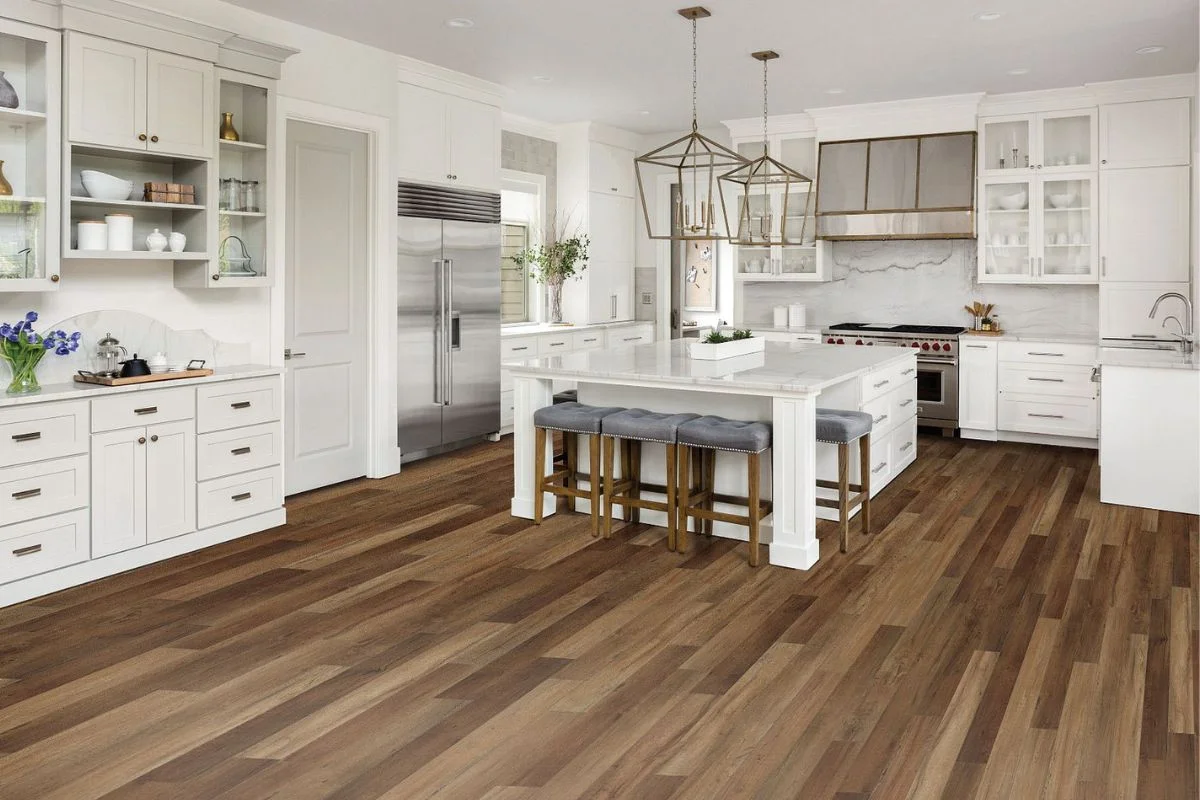
Maintaining PVC Vinyl Flooring
Proper maintenance is key to preserving the appearance and longevity of PVC vinyl flooring. Follow these tips and techniques to keep your PVC vinyl flooring looking its best:
Regular Cleaning:
- Sweep or vacuum the floor regularly to remove dust, dirt, and debris. Use a soft-bristle broom or a vacuum with a soft brush attachment to prevent scratching the surface.
- For deeper cleaning, damp mop the floor with a mild cleaning solution diluted in water. Avoid using abrasive cleaners or harsh chemicals that may damage the surface of the flooring.
Immediate Spill Cleanup:
- Promptly clean up spills and stains to prevent them from setting into the floor. Use a damp cloth or sponge to blot the spill, and then clean the area with a mild detergent solution.
- Avoid using excessive water or harsh cleaning agents, as they may cause damage to the flooring material.
Protection Against Scratches:
- Place felt pads or furniture coasters under heavy furniture legs to prevent scratches and indentations on the flooring surface.
- Use floor mats or area rugs in high-traffic areas, entryways, and kitchen work areas to reduce wear and tear on the flooring.
Avoid Abrasive Tools:
- Avoid using abrasive cleaning tools such as steel wool, scouring pads, or abrasive cleaners, as they can scratch and damage the surface of the PVC vinyl flooring.
- Instead, use gentle cleaning tools such as soft microfiber cloths or mop heads to avoid scratching the surface.
Preventative Maintenance:
- Trim pet nails regularly to prevent scratches on the flooring surface.
- Use doormats at entryways to trap dirt and debris from shoes before it can be tracked onto the flooring.
- Install protective pads or trays under rolling office chairs or heavy appliances to distribute weight and prevent indentation.
Avoid Excessive Moisture:
- While PVC vinyl flooring is water-resistant, excessive moisture can still damage the flooring over time.
- Wipe up spills immediately and avoid using excessive water when cleaning the floor.
- Use mats or rugs in areas prone to moisture, such as bathrooms and kitchens, to prevent water from seeping into the flooring seams.
Types of PVC Vinyl Flooring
PVC vinyl flooring comes in several types, each with its own features and advantages. The most common types include sheet vinyl, luxury vinyl planks (LVP), and vinyl tiles (LVT). Sheet vinyl comes in large, continuous rolls, offering a seamless surface that is ideal for areas prone to moisture.
Luxury vinyl planks mimic the appearance of hardwood, providing a stylish and realistic look with better water resistance and durability. Vinyl tiles, on the other hand, replicate ceramic or stone tiles, offering the flexibility to create unique patterns and designs.
Another important distinction is between homogeneous and heterogeneous vinyl. Homogeneous vinyl has a uniform composition throughout the material, offering long-lasting durability in high-traffic areas. Heterogeneous vinyl consists of multiple layers, usually with a printed design layer, wear layer, and backing, providing a balance between aesthetics and performance.
Some types also feature click-lock or adhesive-free installation systems, making them ideal for DIY projects. The variety of PVC vinyl flooring types ensures that homeowners and businesses can find the perfect solution that combines style, comfort, and functionality.
Benefits of PVC Vinyl Flooring
PVC vinyl flooring offers numerous benefits that make it a preferred choice for many property owners. One of the primary advantages is its water resistance, which makes it suitable for wet areas like bathrooms, kitchens, and laundry rooms.
Unlike hardwood, it does not warp or swell when exposed to moisture. Another significant benefit is durability; high-quality PVC vinyl can withstand heavy foot traffic, scratches, and stains, making it ideal for both residential and commercial spaces.
Maintenance is simple and cost-effective. Regular sweeping and occasional mopping are usually enough to keep the floor looking new.
Vinyl flooring also provides comfort underfoot, as it is softer than ceramic tiles or natural stone. It can absorb noise, reducing echoes and providing a quieter indoor environment. Additionally, PVC vinyl flooring is affordable, offering the appearance of premium materials like wood or stone without the high cost.
With a wide range of colors, patterns, and textures available, it allows homeowners to achieve their desired interior design without compromising practicality. Overall, the combination of aesthetics, resilience, and ease of maintenance makes PVC vinyl a highly attractive flooring solution.
Installation Methods
PVC vinyl flooring can be installed using different methods depending on the type and area of installation. Glue-down installation is common for sheet vinyl and tiles, providing a permanent and stable surface. Adhesive is applied to the subfloor, and the vinyl is carefully positioned.
This method is ideal for areas with heavy traffic. Click-lock installation, mainly used for luxury vinyl planks, allows the planks to interlock without glue, making it a popular choice for DIY enthusiasts. This method is faster and less messy, and the floor can be removed and replaced easily if needed.
Another method is loose lay, where vinyl sheets or planks are simply laid over the subfloor. Some loose lay products have a non-slip backing to keep them in place. The installation process starts with proper preparation of the subfloor, ensuring it is clean, dry, and level.
Uneven surfaces can cause problems such as bubbling or premature wear. While professional installation guarantees a flawless finish, PVC vinyl’s user-friendly nature also makes it possible for homeowners to undertake the project themselves with basic tools and instructions.
Design and Aesthetics
One of the key reasons PVC vinyl flooring is popular is its design versatility. Advanced printing technologies allow manufacturers to replicate the look of natural materials such as hardwood, stone, and ceramic, often with incredible realism.
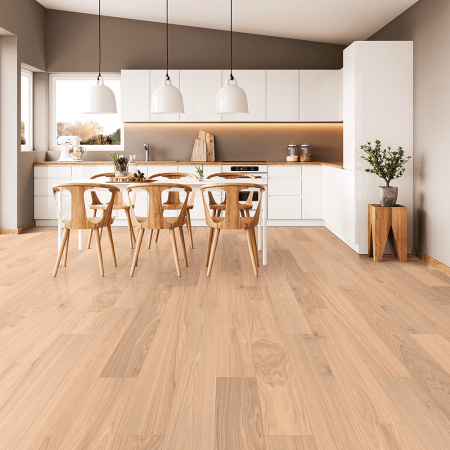
Luxury vinyl planks mimic wood grain textures, while vinyl tiles can imitate marble, slate, or mosaic patterns. The material can also be produced in a wide range of colors and patterns, including abstract designs for modern interiors.
PVC vinyl flooring can create a seamless and elegant look in open spaces or a patterned effect using tiles. Its versatility allows it to complement various interior styles, from classic to contemporary.
Additionally, some products feature embossed textures, which enhance the tactile feel and provide a more authentic appearance. This combination of aesthetic appeal and practicality makes PVC vinyl a go-to choice for designers and homeowners who want stylish floors without the high maintenance of natural materials.
Conclusion
In conclusion, PVC vinyl flooring emerges as a versatile and practical flooring option for modern homes and commercial spaces alike. With its durability, water resistance, ease of maintenance, and wide range of design options, PVC vinyl flooring offers a compelling solution for those seeking both style and functionality in their flooring choices.
The most important frequently asked questions about PVC Vinyl Flooring
What is PVC vinyl flooring and how is it different from regular vinyl?
PVC vinyl flooring is made from polyvinyl chloride and is more flexible, resilient, and durable than standard vinyl. It often features multiple layers, including a wear layer, design layer, and waterproof core, making it ideal for high-traffic and moisture-prone areas.
Is PVC vinyl flooring completely waterproof?
Yes, most modern PVC vinyl flooring is 100% waterproof. Its rigid core and sealed surface prevent water from penetrating, making it perfect for bathrooms, kitchens, basements, and laundry rooms without risk of swelling or warping.
How long does PVC vinyl flooring typically last?
With proper care, PVC vinyl flooring can last between 15 to 25 years. High-quality products with thick wear layers and commercial-grade construction may last even longer, even in heavy foot traffic areas.
Can I install PVC vinyl flooring myself?
Yes, many PVC vinyl flooring options feature click-lock or peel-and-stick systems for easy DIY installation. Glue-down and loose-lay methods are also available but may require professional help for best results.
How do I clean and maintain PVC vinyl flooring?
Sweep or vacuum regularly to remove dirt. Mop with a damp cloth and a mild, pH-neutral cleaner. Avoid harsh chemicals, steam mops, and abrasive pads, which can damage the protective wear layer.
Is PVC vinyl flooring safe for homes with pets and children?
Absolutely. PVC vinyl flooring is scratch-resistant, stain-resistant, and waterproof, making it ideal for busy households. It also provides a softer, quieter surface than tile or hardwood, reducing noise and improving comfort.
What types of PVC vinyl flooring are available?
The main types include luxury vinyl planks (LVP) that mimic hardwood, luxury vinyl tiles (LVT) that replicate stone or ceramic, sheet vinyl for seamless waterproofing, and hybrid rigid core options for extra durability.
Does PVC vinyl flooring contain harmful VOCs?
Many modern PVC vinyl flooring products are manufactured with low-VOC and phthalate-free materials. Look for certifications like FloorScore or Greenguard to ensure healthy indoor air quality and environmental safety.
Can PVC vinyl flooring be used with underfloor heating?
Yes, PVC vinyl flooring is compatible with underfloor heating systems. However, always follow manufacturer guidelines to avoid excessive temperatures that could damage the material or affect its warranty.
Is PVC vinyl flooring environmentally friendly?
Manufacturers now produce eco-friendly PVC vinyl using recycled content and low-emission processes. Some products are also fully recyclable at the end of their life, making vinyl a more sustainable choice than in the past.