
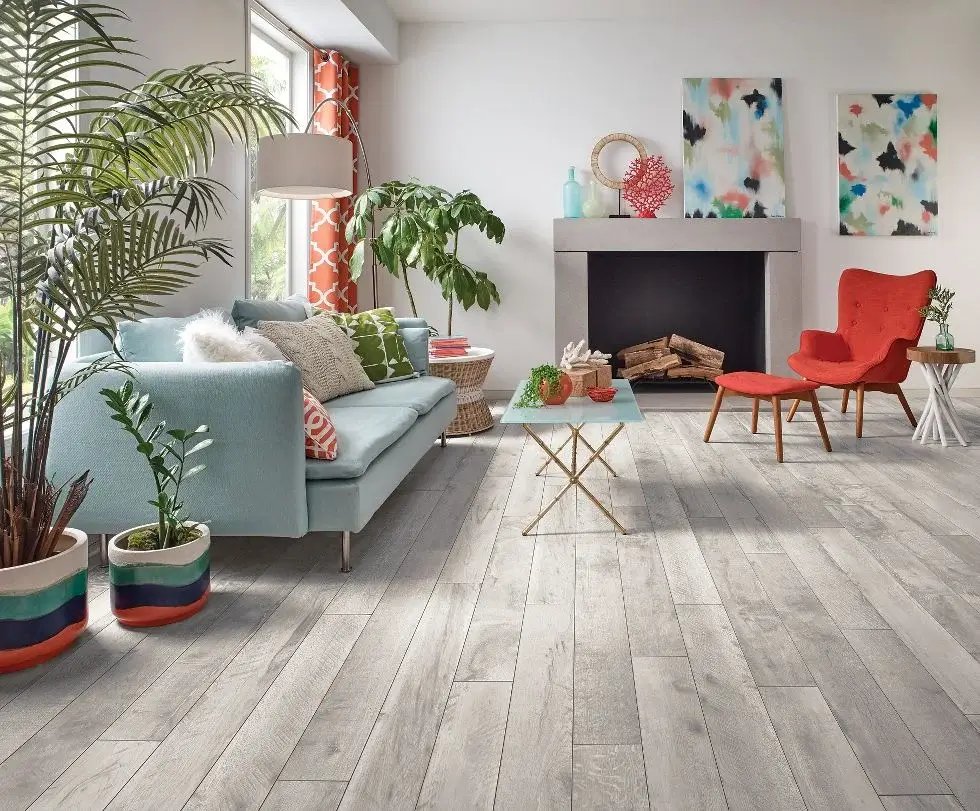
When you choose hardwood flooring at your home and workplace it will automatically elevate the standards and also be popular in traditional or contemporary spaces. hickory, oak, ash or maple are the popular hardwood species; they all have distinct properties and visual differences. solid hardwood, engineered wood and wood-look laminate are some common options that suit your lifestyle and your budget.
Selecting your preferred color and grain is not easy When you choose the right material. That’s why these are the common wood flooring when you decide to install at your home.
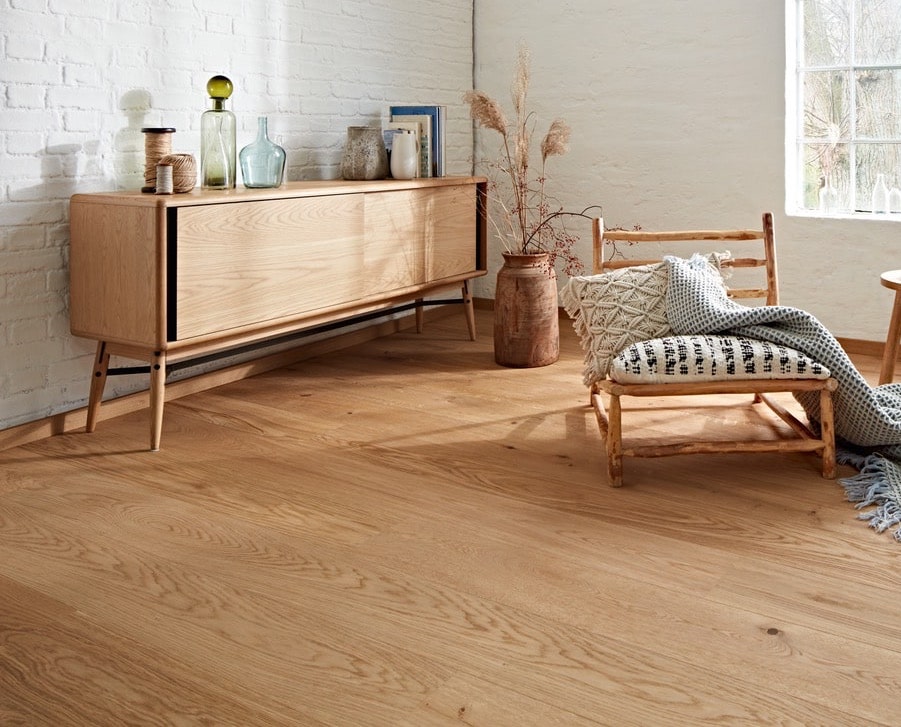
Here are some best Hardwood Flooring Options by Room:
You may only want to install new floors in one or two rooms, but you also want a uniform look throughout your home. So here are some best choices of hardwood flooring for your specific spaces.
- Kitchen: Bamboo and engineered floors are good choices in your the kitchen because moisture and humidity are the biggest concerns. So select those materials which resist temperature and also bear the humidity.
- Living Room: White oak, ash, and maple work well in your living room because living room is the space which tends the biggest space in the home so wider planks and a wood without too much changes in color or grain pattern are selected.
- Hallway: Ash, hickory, oak and maple fit the hallways because hallways tend to be high-traffic areas that’s why these types are hard, resilient, and easy to maintain and very warm, inviting and affordable.
Types of hardwood flooring:
- Hickory
- This hardwood floor is harder than any other material. Janka hardness scale is the scale where you measure this floor that is 1,820.
- This is durable and long-lasting.
- These floors are not easily damaged, moisture free and bear high traffic.
- These are very Comparatively light wood that can be stained to any shade
- Can be waxed to enhance warm appearance and improve moisture resistance
- Ash
- These are very flexible and they tolerate temperature and humidity fluctuations
- These are Shock-absorbing and very comfortable to walk on.
- These are also light wood that can be stained to any shade
- Oak
- These are taking on a unique patina, and Ages well.
- Their color varies from bleached white to dark red
- They are easy to fix when they are damage and repair with DIY kits
- Maple
- These are very popular choice for modern homes due to its light texture and open grain pattern
- These flooring are readily available
Types of Hardwood Flooring
Hardwood flooring comes in various types, offering homeowners flexibility in terms of aesthetics, durability, and price. The most common classifications include solid hardwood, engineered hardwood, and reclaimed wood flooring.
Solid hardwood is made from a single piece of wood and is known for its robustness and longevity. It can be sanded and refinished multiple times, making it ideal for high-traffic areas. However, solid hardwood is sensitive to moisture and may expand or contract depending on humidity levels, making it less suitable for bathrooms or basements.
Engineered hardwood is constructed from multiple layers of wood, with a top veneer of hardwood and underlying layers of plywood or high-density fiberboard. This design provides greater stability and resistance to moisture, allowing it to be installed in spaces where solid hardwood might not be appropriate. Engineered hardwood also offers a wide variety of finishes and styles, often at a more affordable price point.
Reclaimed hardwood is sourced from old buildings, barns, or furniture. This type is environmentally friendly and provides unique character through natural wear, patina, and distinct markings. It can be more expensive due to the labor involved in processing the wood, but it adds authenticity and historical charm to interiors.
Additionally, hardwood flooring can be categorized by species. Oak, maple, cherry, and hickory are popular choices due to their hardness, grain patterns, and color variations. Exotic woods like teak, mahogany, and Brazilian cherry offer striking aesthetics and increased durability. By understanding the types of hardwood available, homeowners can select the perfect option to match their lifestyle, design preferences, and budget.
Benefits of Hardwood Flooring
Hardwood flooring offers numerous benefits that extend beyond its visual appeal. One of the primary advantages is durability. High-quality hardwood can withstand heavy foot traffic and daily wear, especially when properly maintained with periodic refinishing and care.
Another major benefit is its contribution to indoor air quality. Hardwood does not trap dust, allergens, or pet dander, unlike carpets, which can harbor bacteria and other irritants. This makes hardwood flooring a healthier choice, especially for households with allergy sufferers.
From an aesthetic standpoint, hardwood flooring adds warmth, elegance, and a timeless charm to any interior. Its natural grains, color variations, and textures enhance the visual depth of spaces, creating a welcoming and sophisticated atmosphere. Hardwood also complements a wide range of interior designs, from traditional to contemporary.
Additionally, hardwood flooring increases the resale value of a home. Real estate experts consistently report that homes with hardwood floors are more attractive to buyers, often leading to higher selling prices. Its longevity and classic appeal make it a worthwhile investment.
Maintenance of hardwood flooring is relatively straightforward. Regular sweeping, vacuuming, and occasional refinishing can preserve its beauty for decades. Hardwood is also versatile, allowing homeowners to choose from various finishes, stains, and plank sizes to customize the look of their space.
Finally, hardwood flooring is sustainable when sourced from responsibly managed forests. Certifications like FSC (Forest Stewardship Council) ensure that the wood comes from eco-friendly sources, making it an environmentally conscious choice. With all these benefits, hardwood flooring remains a top choice for homeowners seeking durability, beauty, and long-term value.
Installing Hardwood Flooring
Installing hardwood flooring requires careful planning, precision, and the right tools to ensure a professional finish. The process begins with selecting the type of hardwood and determining the installation method, which can be nailed, stapled, glued, or floated depending on the subfloor and wood type.
Preparation is crucial. The subfloor must be clean, dry, and level. Any imperfections can lead to uneven flooring, squeaks, or long-term damage. Moisture barriers may be installed to prevent humidity from affecting the wood, especially in areas like basements. Proper acclimation of the wood planks is also important; they should be stored in the installation area for several days to adjust to the room’s temperature and humidity.
Installation methods vary. Solid hardwood is often nailed or stapled to a wooden subfloor, while engineered hardwood can be glued down, floated, or nailed. Floating installations involve connecting the planks without attaching them to the subfloor, allowing the floor to expand and contract naturally. Each method has its advantages, and the choice depends on the wood type, room conditions, and homeowner preferences.
Finishing touches include sanding, staining, and applying a protective topcoat to enhance durability and aesthetics. Some hardwood floors come pre-finished, reducing installation time and the need for additional treatment.
Maintenance and Care
Maintaining hardwood flooring is essential to preserve its beauty and extend its lifespan. Regular cleaning and preventive measures can prevent scratches, dents, and moisture damage.
Routine cleaning involves sweeping or vacuuming to remove dust, dirt, and debris that can scratch the surface. Avoid using harsh chemicals or excessive water, as moisture can warp or damage the wood. Instead, use a damp mop with a cleaner specifically designed for hardwood floors.
Preventive care includes placing mats at entryways to trap dirt and moisture, using furniture pads under chairs and tables, and avoiding high heels or sharp objects that may dent the surface. Maintaining consistent indoor humidity levels (ideally between 35% and 55%) helps prevent expansion and contraction of the wood.
Periodic maintenance may involve refinishing the floors every few years, depending on wear and tear. This process includes sanding the surface, applying stain if desired, and sealing with a protective coating. Refinishing restores the floor’s natural beauty and can address minor scratches and discoloration.
Handling spills promptly is crucial. Liquids should be wiped immediately to prevent staining or water damage. For areas prone to moisture, like kitchens or bathrooms, using engineered hardwood or water-resistant finishes is advisable.
Long-term care also involves monitoring for signs of damage, such as gaps, warping, or mold. Addressing issues early can prevent costly repairs and maintain the integrity of the flooring. With proper care, hardwood floors can remain beautiful and functional for decades, adding lasting value and elegance to any home.
Hardwood Flooring Styles and Finishes
Hardwood flooring comes in a wide range of styles and finishes, allowing homeowners to customize the appearance of their space. The choice of style and finish significantly impacts the room’s ambiance and overall aesthetic.
Plank sizes and patterns vary, including wide planks, narrow strips, and parquet patterns. Wide planks provide a modern, expansive look, while narrower strips offer a classic and traditional feel. Parquet and herringbone designs add visual interest and elegance, often becoming a statement feature in living rooms or entryways.
Wood species also influence the style. Oak provides a timeless and versatile appearance, maple offers light, uniform tones, cherry adds warmth and reddish hues, and walnut delivers a rich, dark elegance. Exotic species like teak, mahogany, and Brazilian cherry introduce unique colors and grain patterns that make a bold statement.
Finishes range from matte and satin to glossy, each creating a different visual effect. Matte finishes offer a natural, understated look, while glossy finishes enhance the wood’s shine and reflect light, adding brightness to the room. Satin finishes provide a balanced appearance with moderate sheen.
Stains allow for further customization, from natural and honey tones to darker espresso or gray shades. Staining can highlight the wood grain, complement existing décor, or create a contemporary contrast with other interior elements.
By carefully selecting the right combination of wood species, plank size, pattern, stain, and finish, homeowners can create a hardwood floor that perfectly aligns with their design vision, lifestyle, and space requirements.
Cost of Hardwood Flooring
The cost of hardwood flooring varies widely depending on factors such as wood type, plank size, installation method, and additional finishes. Solid hardwood is generally more expensive than engineered hardwood due to its material quality, longevity, and ability to be refinished multiple times.
Material costs depend on the species of wood. Oak, maple, and birch are more affordable, while exotic woods like teak, mahogany, and Brazilian cherry command higher prices due to rarity and durability. The choice of pre-finished versus unfinished wood also affects cost; pre-finished planks save on labor but may be slightly pricier per square foot.
Installation costs can range significantly depending on complexity and method. Nail-down or stapled installations require skilled labor, while floating floors or glue-down methods may be more budget-friendly. Additional expenses may include subfloor preparation, moisture barriers, underlayment, and finishing materials.
Conclusion
Hardwood flooring remains one of the most elegant, durable, and versatile flooring options available. With its wide range of types, styles, finishes, and eco-friendly alternatives, it can enhance any interior while providing long-term value. Its benefits—including durability, improved indoor air quality, aesthetic appeal, and increased property value—make it a wise investment for homeowners. Proper installation, maintenance, and care ensure that hardwood floors last for decades, offering both beauty and functionality. Whether selecting solid, engineered, or reclaimed wood, hardwood flooring combines timeless elegance with practicality, making it the ideal choice for modern and traditional homes alike.
The most important frequently asked questions about Hardwood Flooring
What is hardwood flooring?
Solid wood planks made from natural hardwood trees.
What types of hardwood flooring are there?
Solid hardwood and engineered hardwood.
Is hardwood flooring durable?
Yes, it can last decades if properly maintained.
How do I maintain hardwood flooring?
Sweep or vacuum regularly and clean with a damp cloth or wood cleaner.