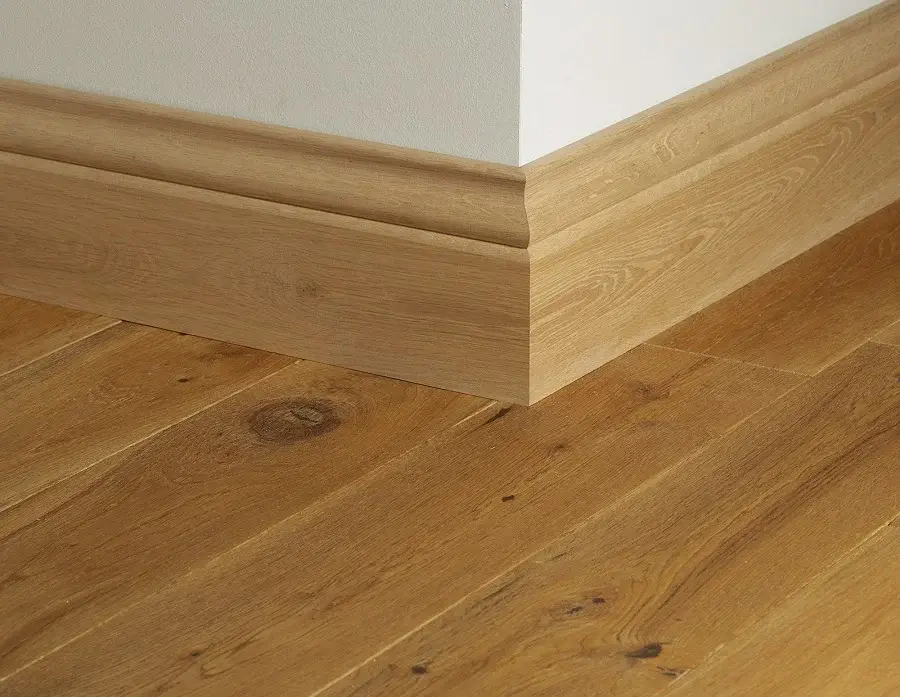
Vinyl skirting is an essential component in modern interior design, combining functionality with aesthetic appeal. Essentially, skirting, also known as baseboards or skirting boards, covers the joint between the wall surface and the floor, protecting walls from damage caused by furniture, vacuum cleaners, or general wear and tear. Vinyl, a type of synthetic plastic polymer, has become increasingly popular in the construction and renovation sectors due to its durability, affordability, and versatility. Unlike traditional wooden skirting, vinyl is resistant to moisture, making it ideal for areas prone to dampness, such as kitchens, bathrooms, or basements. Additionally, vinyl skirting is low-maintenance, requiring minimal cleaning and rarely needing repairs or repainting. Its lightweight nature makes it easy to install, and it can be produced in various colors, textures, and finishes to match different interior design themes. Modern vinyl skirting can even mimic the look of natural materials like wood, marble, or stone, offering a luxurious appearance without the high cost. With these advantages, vinyl skirting has emerged as a practical and stylish solution for both residential and commercial spaces. Whether used in a home, office, or retail environment, it provides a neat finish while safeguarding the lower sections of walls. In essence, vinyl skirting balances aesthetics, protection, and convenience, making it a preferred choice for homeowners, designers, and contractors alike. Its combination of durability, design flexibility, and cost-effectiveness ensures that it remains a top choice in interior construction and renovation projects.
Choosing Vinyl Skirting for a Perfect Complement
When you own a house, or you want to renew your interior. Vinyl skirting is the best solution for you to cherish. This modern skirting is designed to float freely as a whole. The natural movements of these skirting planks are so tiny that it is hardly felt beneath your feet. Flooring gaps whether in newly constructed homes or an old one are left uncovered unsightly. That’s when one brings in the skirting that is available with both financial and aesthetic purposes that complements your floorings. If chosen from the right place, these skirtings will be amazing and reliable.
There are many types of skirting available in the market. For instance, Pencil skirting, Georgian skirting, Edwardian skirting, Antique skirting, MDF skirting, Victorian skirting, Contemporary skirting and Bullnose skirting. According to the space requirements, molding can be done that includes square, chamfered, pencil round, oval and torus. They could be made in a variety of creative designs making a unique pattern of your choice that complements perfectly to your space interior and style.
Benefits
These skirting is beneficial because of the following reasons,
- Vinyl skirting is responsible to give appealing look : The interior is not pleasing when gaps are seen between the wall and floor junction, though it is normally constructed but it isn’t the look one wants inside their space. Adding these skirting can provide the appealing look the space deserves, increasing the house worth if on sale. If you are planning to sell the property, this crucial step is not to be neglected.
- Vinyl skirting prevent humidity : Made of waterproof material skirting ensures that the foundation of your floor and walls are not affected by any negative impact of the humidity and it also is resistant to termites as well
- Vinyl skirting accommodate proper airflow: This type of skirting has a structure of a built in flexibility that accommodates proper airflow that may be necessary beneath the house space. Complete combination of solid panels along with the vented panel makes it ideal for easy exchange of the required air.
- Vinyl skirting provide functional gap : We have seen markings of old furniture left behind on the wall. Installing vinyl skirting provides a functional gap between the furniture, flooring and the wall. This protection by skirting is important for a long-term fresh look of your house or rooms walls.
- Vinyl skirting help prevent water from seeping in : If the flooring of the house is not installed properly, and there are some visible gaps between the flooring and the wall. These gaps are intentionally created to accommodate expansion. This does give an odd look but then Vinyl skirting plays its role here. This vinyl skirting covers up their gaps providing a seamless flow and prevents water too from seeping in as well.
Thus, it is concluded that choosing skirting is always your best choice because it is a crucial element for a room attire and gives your home worth.
Types of Vinyl Skirting
Vinyl skirting is available in various types to suit different design preferences and functional needs. The most common types include solid vinyl skirting, foam-backed vinyl skirting, and flexible vinyl skirting. Solid vinyl skirting is dense and durable, offering excellent impact resistance and long-term performance. It is suitable for high-traffic areas like offices, commercial buildings, and busy households. Foam-backed vinyl skirting has a foam core that provides flexibility and insulation properties, making it easier to install on uneven surfaces while also offering some soundproofing benefits. Flexible vinyl skirting, on the other hand, can bend and adapt to curved walls or irregular surfaces, which is particularly useful in creative architectural designs or older buildings with imperfect structures. Vinyl skirting is also available in different profiles and designs, such as rounded, beveled, or decorative patterns. Some vinyl skirting boards feature adhesive backing for easy installation, while others require mechanical fixing using screws or clips. Additionally, vinyl skirting can be finished with various coatings that enhance its resistance to scratches, stains, and UV exposure, prolonging its lifespan and maintaining its appearance over time. With this variety, vinyl skirting caters to diverse architectural styles, interior designs, and functional requirements, making it a versatile option for both residential and commercial projects.
Advantages of Vinyl Skirting
Vinyl skirting offers numerous benefits that make it a popular choice over traditional materials like wood or MDF. One of the main advantages is its durability; vinyl is highly resistant to moisture, insects, and wear, which ensures a longer lifespan even in high-humidity areas. Additionally, vinyl skirting is easy to clean and maintain, requiring only simple wiping with a damp cloth. This makes it particularly suitable for homes with children or pets, where scuffs and dirt are common. skirting is also cost-effective, often priced lower than wooden alternatives, and provides a visually appealing finish without the high maintenance costs associated with wood. Its lightweight nature allows for easier handling and installation, reducing labor costs and time. Moreover, skirting is highly customizable, available in a wide range of colors, textures, and finishes. This allows designers and homeowners to match it seamlessly with flooring, wall colors, or interior themes. Another significant advantage is its environmental resistance; unlike wood, vinyl does not warp, crack, or swell due to humidity or temperature changes. It is also more resistant to chemical cleaners, making it suitable for both domestic and industrial settings. In summary, vinyl skirting combines practicality, affordability, and style, offering a long-lasting solution for wall protection and interior design enhancement.
Installation Process
Installing vinyl skirting is a straightforward process that does not necessarily require professional help, though experts can ensure a flawless finish. The first step involves measuring the perimeter of the room accurately to determine the amount of skirting required. It is essential to account for corners and doorways while purchasing extra material to avoid shortages. Next, the wall and floor surfaces should be cleaned and leveled to ensure proper adhesion. Depending on the type of skirting, installation may involve adhesive backing, nails, or screws. For adhesive-backed vinyl, the backing is peeled, and the skirting is pressed firmly against the wall, starting from one corner and working around the room. Foam-backed and flexible skirting may require slight trimming using a utility knife or miter saw for precise corner alignment. Corners can be joined using either pre-made corner pieces or by cutting the skirting at an angle for a seamless fit. Once installed, the skirting may be sealed using a silicone or caulk for added stability and a polished appearance. Proper installation ensures that the skirting stays firmly in place, protects the walls from impact and moisture, and enhances the overall aesthetics of the room. With basic tools and careful measurement, vinyl skirting installation can be completed efficiently, even by DIY enthusiasts.
Design and Aesthetic Appeal
Vinyl skirting is no longer just a functional accessory; it has become a key design element in interior decor. Modern vinyl skirting comes in a wide variety of colors, textures, and finishes, allowing homeowners and designers to match it with different interior themes. For instance, high-gloss vinyl can create a contemporary, modern look, while matte finishes add a subtle and elegant touch. Vinyl skirting can also replicate natural materials such as wood, marble, or stone, providing the charm of premium materials at a fraction of the cost. Decorative profiles, including beveled, rounded, or sculpted designs, can add depth and character to a room, making it an integral part of the interior design. Moreover, vinyl skirting can be used creatively in combination with wall panels, wallpaper, or contrasting floor colors to enhance the overall aesthetic appeal. In commercial settings, designers often use vinyl skirting to maintain a professional and clean appearance while providing durability. The wide range of options makes vinyl skirting versatile enough for modern, minimalist, classic, or luxurious interior styles. Its design flexibility ensures that functionality and aesthetics are balanced, making it a favored choice for contemporary interiors.
Durability and Maintenance
One of the primary reasons vinyl skirting is preferred over traditional materials is its durability. Vinyl is resistant to moisture, which prevents warping or swelling that commonly affects wooden skirting in humid conditions. It is also resilient against scratches, dents, and impact, making it suitable for high-traffic areas and homes with children or pets. Additionally, skirting does not fade easily and can withstand exposure to sunlight, retaining its appearance for many years. Maintenance is minimal; regular dusting or wiping with a damp cloth is sufficient to keep it clean. For tougher stains, mild soap or detergent can be used without damaging the surface. Unlike wood or MDF skirting, vinyl does not require painting, varnishing, or frequent repairs, reducing long-term maintenance costs. Its resistance to insects and chemical cleaners further enhances its practicality, especially in commercial or industrial environments. The combination of durability, low maintenance, and cost-effectiveness makes vinyl skirting a reliable choice for both residential and professional applications.
Cost Considerations
Vinyl skirting is known for its affordability compared to traditional materials like wood or aluminum. The cost of skirting depends on factors such as quality, thickness, finish, and brand. Standard vinyl skirting is highly budget-friendly, while high-end options with decorative finishes or wood-like textures may cost slightly more. When considering the overall investment, skirting is cost-effective not only due to its low purchase price but also because of its minimal maintenance and long lifespan. Installation costs are also relatively low since it is lightweight and easy to handle. DIY installation is possible, further reducing labor expenses. Additionally, vinyl skirting’s resistance to moisture, insects, and physical damage lowers the likelihood of repairs or replacement, saving money over time. In comparison to other materials that may require painting, sealing, or periodic replacement, vinyl offers excellent value for money. Homeowners and businesses alike appreciate the combination of affordability, aesthetic appeal, and durability that vinyl skirting provides.
Conclusion
Vinyl skirting is a versatile, durable, and cost-effective solution for both residential and commercial interiors. Combining aesthetic appeal with practical benefits such as moisture resistance, low maintenance, and impact protection, it has become a preferred choice over traditional skirting materials. With a wide range of designs, colors, and finishes, vinyl skirting can complement any interior style, from modern and minimalist to classic and luxurious. Its ease of installation, long lifespan, and affordability make it suitable for various applications, including homes, offices, and public buildings. Moreover, environmentally responsible options are now available, allowing designers and homeowners to balance functionality with sustainability. Overall, vinyl skirting not only protects walls but also enhances the visual appeal of any space, making it a smart and stylish investment for interior design projects.
The most important frequently asked questions about Vinyl Skirting
What is vinyl skirting?
A decorative baseboard made from vinyl, used to cover the joint between walls and floors.
Why choose vinyl skirting?
It is durable, water-resistant, low-maintenance, and cost-effective.
Is vinyl skirting easy to install?
Yes, it can be glued, nailed, or fitted with clips for DIY or professional installation.
Can vinyl skirting be painted?
Most vinyl skirting comes pre-finished; some types can be painted with compatible paint.