When it comes to choosing flooring, the battle between style and safety is real. Vinyl flooring, however, emerges as a strong contender that promises to tick both boxes. Whether you’re revamping a cozy family room or a bustling commercial space, the question of anti-slip properties often takes center stage. After all, no one wants a floor that’s as slippery as it is chic!
In this guide, we’ll dive into the world of vinyl flooring to explore its slip resistance and how it blends safety with aesthetics. From understanding the anti-slip features to learning how to maintain its safety standards, we’ve got you covered. Let’s take a step forward—securely, of course—into the stylish and practical world of vinyl flooring
What Is Vinyl Flooring?
Vinyl flooring is a durable and versatile flooring option made from synthetic materials like PVC. Known for its affordability and resilience, vinyl comes in various styles, such as luxury vinyl tiles (LVT), sheets, and planks, mimicking materials like wood or stone. It is water-resistant, making it a popular choice for kitchens, bathrooms, and basements. Vinyl flooring is also easy to install and maintain, which adds to its appeal. Thanks to advanced manufacturing techniques, vinyl offers aesthetic versatility while providing a comfortable underfoot experience. Its combination of durability and design flexibility makes it a practical and stylish flooring choice for many spaces.
What Makes Flooring Slip-Resistant?
Slip resistance in flooring is determined by several factors, including surface texture, coatings, and material composition. A textured or embossed surface enhances grip, reducing the chances of slipping, especially in wet or high-traffic areas. Specialized anti-slip coatings can further improve safety by creating friction underfoot. Industry standards, like R ratings (R9 to R13), help categorize flooring based on its slip resistance. The environment also plays a role—floors in moist conditions need higher resistance. Slip-resistant flooring is particularly crucial for households with children, seniors, or pets, as well as commercial spaces where safety regulations demand accident prevention measures.
Advantages of Vinyl Flooring
Vinyl flooring offers numerous benefits that make it an attractive option for both residential and commercial use. One of its primary advantages is durability. Modern vinyl is resistant to scratches, stains, and dents, making it suitable for high-traffic areas such as hallways, kitchens, and offices. Its resilience ensures a long-lasting flooring solution without frequent repairs or replacements.
Another significant advantage is water resistance. Unlike hardwood or laminate flooring, vinyl does not warp or swell when exposed to moisture. This makes it ideal for bathrooms, kitchens, basements, and laundry rooms. Luxury vinyl planks and sheet vinyl provide additional protection with water-tight seams or click-lock installation methods.
Cost-effectiveness is another reason for vinyl’s popularity. Vinyl flooring is typically more affordable than hardwood, stone, or ceramic tiles while providing a similar aesthetic appeal. Additionally, its low maintenance reduces long-term costs associated with cleaning and repairs.
Vinyl flooring is also comfortable and safe. It is softer underfoot than tile or stone, reducing fatigue when standing for long periods. Many vinyl options come with anti-slip surfaces, which enhance safety in homes with children or elderly individuals. It also offers good sound absorption, minimizing noise in multi-level buildings or apartments.
Finally, vinyl provides design versatility. It is available in countless colors, patterns, and textures, allowing homeowners to achieve the look of luxury materials at a fraction of the cost. From modern minimalist designs to classic wood or stone appearances, vinyl flooring can adapt to any interior style, making it a highly versatile and practical choice.
Disadvantages of Vinyl Flooring
Despite its many advantages, vinyl flooring also has some limitations that should be considered before installation. One notable drawback is that it is not as environmentally friendly as natural materials. Traditional vinyl is made from PVC, which is non-biodegradable and may release volatile organic compounds (VOCs) during manufacturing or installation. However, eco-friendly options with low VOC content are now available.
Another disadvantage is potential damage from sharp objects. While vinyl is durable and scratch-resistant, heavy or sharp items can puncture or tear the surface, especially thin sheet vinyl. Furniture with sharp legs or high heels may also leave indentations over time.
Vinyl flooring is also less heat-resistant than materials like ceramic or stone. Excessive exposure to heat from direct sunlight or appliances can cause warping or discoloration. This makes it less suitable for areas with extreme temperatures or direct sun exposure.
Repair challenges are another consideration. While minor scratches can be buffed or repaired with special products, severe damage often requires replacing entire sections, which may affect the overall appearance. Unlike hardwood, vinyl cannot be sanded or refinished.
Finally, some vinyl floors may lack the premium feel of natural materials. While luxury vinyl planks mimic the look of wood or stone convincingly, they cannot fully replicate the texture or prestige associated with genuine hardwood or natural stone. Despite these disadvantages, careful selection and proper maintenance can minimize most of these issues, making vinyl flooring a practical and attractive option.
Installation Methods for Vinyl Flooring
Installing vinyl flooring is relatively straightforward, and several methods are available depending on the type and subfloor condition. The most common installation methods include glue-down, click-lock, and peel-and-stick.
Glue-down vinyl involves applying adhesive directly to the subfloor and laying the vinyl on top. This method provides a stable and permanent installation, ideal for high-traffic commercial spaces. Professional installation is recommended to ensure even application and to prevent air bubbles or wrinkles.
Click-lock vinyl is commonly used for luxury vinyl planks and tiles. Each piece snaps into the next, creating a floating floor that does not require glue. This method is popular for DIY enthusiasts because it is fast, clean, and allows for easy removal or replacement. Click-lock vinyl is suitable for both residential and commercial areas.
Peel-and-stick vinyl features an adhesive backing that sticks directly to the subfloor. This type is ideal for small projects, rentals, or temporary installations. While it is easy to install, proper surface preparation is critical to prevent lifting or bubbling.
Before installation, the subfloor must be clean, dry, and level to ensure proper adhesion and durability. Vinyl can be installed over concrete, plywood, or existing flooring, as long as it is smooth and free of imperfections. Expansion gaps around walls are recommended to allow for natural expansion and contraction.
Anti-Slip Features of Vinyl Flooring
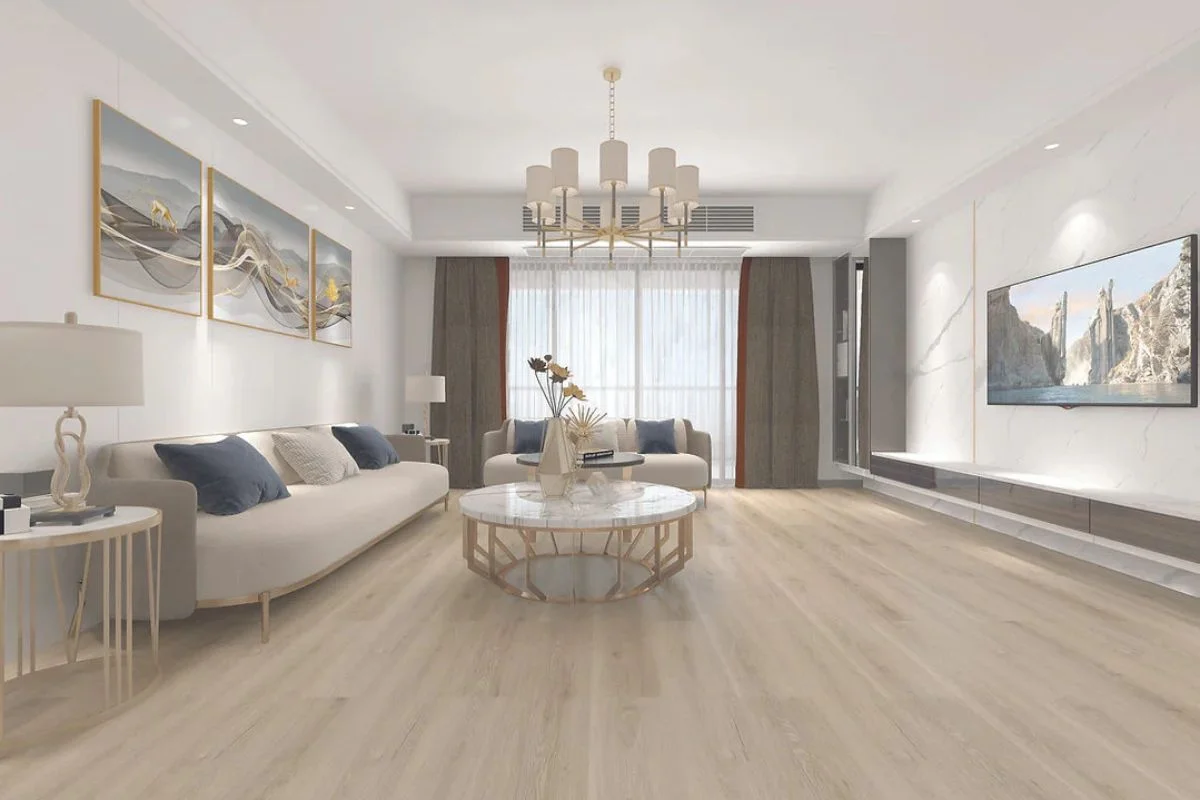
Vinyl flooring often includes anti-slip properties, thanks to its textured surfaces and specialized coatings. Luxury vinyl tiles and planks, in particular, are designed to provide a firm grip even in wet conditions, making them ideal for bathrooms and kitchens. Some vinyl options come with built-in safety layers, enhancing slip resistance. Compared to materials like polished tiles or hardwood, vinyl offers superior traction. Additionally, vinyl’s water resistance ensures that its slip-resistant features remain effective, even in humid or damp environments. This makes vinyl flooring a safer alternative for both residential and commercial spaces requiring reliable, anti-slip solutions.
Applications Where Anti-Slip Matters Most
Anti-slip flooring is vital in spaces prone to moisture or heavy foot traffic. Kitchens and bathrooms benefit significantly, as spills and water increase slip risks. Commercial settings, such as restaurants, offices, and healthcare facilities, prioritize safety to prevent accidents. For households with children, seniors, or pets, slip-resistant flooring provides peace of mind. Outdoor areas like patios also require enhanced grip, especially during rain. Vinyl flooring’s anti-slip properties make it a practical choice across these applications. Its versatility ensures safety without compromising style, making it a go-to option for environments where slip prevention is a top priority.
How to Choose the Right Vinyl Flooring for Slip Resistance
Choosing slip-resistant vinyl flooring starts with understanding R ratings, which measure traction. Higher ratings (R11–R13) are ideal for wet or commercial spaces, while R9 or R10 suits dry areas. Look for textured or embossed surfaces for added grip, and prioritize products with anti-slip certifications. Consider the environment—smooth finishes might suffice for living rooms, but bathrooms demand extra resistance. For outdoor use, select vinyl designed to handle weather conditions. Consult product specifications or seek expert advice to ensure the flooring meets your safety and style needs. This careful selection ensures durability and a secure footing in any space.
Maintenance and Longevity of Anti-Slip Properties
Proper maintenance is key to preserving the anti-slip properties of vinyl flooring. Regular cleaning with non-slippery solutions prevents residue buildup that could reduce traction. Avoid using wax or oil-based cleaners, as they can create a slick surface. For areas with heavy wear, consider applying a specialized anti-slip coating to maintain grip. Inspect the flooring periodically for signs of wear or damage, replacing sections as needed. By following these practices, you can ensure the longevity of your vinyl flooring’s slip-resistant features, keeping it safe and functional for years while maintaining its stylish appearance.
Vinyl Flooring: Style Meets Safety
Vinyl flooring offers a perfect blend of safety and style, making it a popular choice for modern interiors. With a wide range of designs, colors, and patterns, it can mimic natural materials like wood or stone while delivering slip-resistant properties. Textured finishes add grip without compromising aesthetics, making vinyl ideal for spaces requiring both functionality and flair. From sleek, minimalist looks to bold, decorative designs, vinyl caters to diverse tastes. Its ability to combine visual appeal with practicality ensures that homeowners and businesses can enjoy a secure and sophisticated flooring solution in any setting.
Cost vs. Benefits of Slip-Resistant Vinyl Flooring
Slip-resistant vinyl flooring is an investment that balances cost with significant benefits. It is generally more affordable than hardwood or stone while offering comparable safety features. The initial price varies based on quality and design, but its durability ensures long-term savings by reducing maintenance and replacement costs. The added safety reduces accident risks, particularly in homes with children or elderly members. Its water resistance and easy maintenance make it a cost-effective choice for high-moisture areas. By combining safety, style, and affordability, slip-resistant vinyl flooring delivers excellent value for both residential and commercial applications.
Real-Life Examples and Testimonials
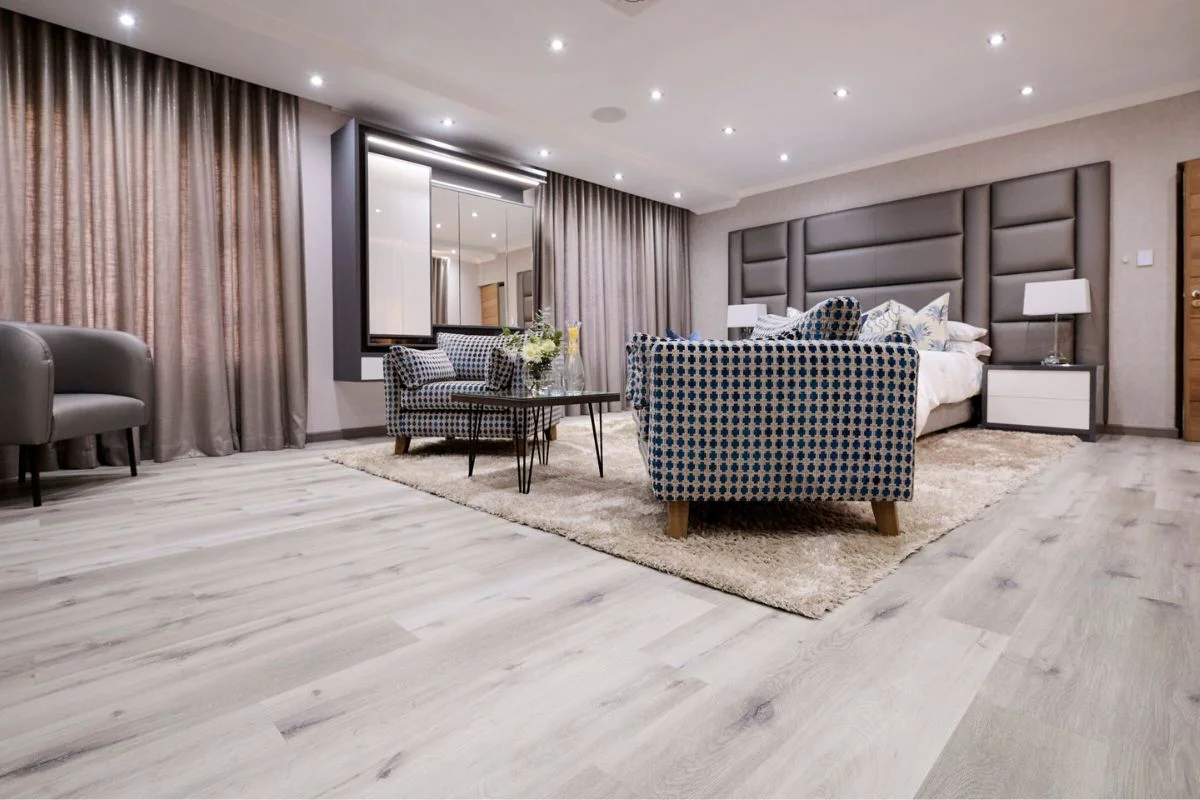
Many homeowners praise vinyl flooring for its ability to enhance safety and aesthetics. Families with young children often highlight how its slip-resistant features prevent accidents in kitchens or bathrooms. Business owners in the hospitality industry commend vinyl for its durability and safety in high-traffic areas. Testimonials frequently mention the peace of mind it provides for elderly relatives or pets. Case studies also reveal how vinyl performs in damp or outdoor environments, maintaining traction even under challenging conditions. These real-life experiences underscore why vinyl flooring remains a trusted choice for safety-conscious, design-savvy individuals.
Maintenance and Cleaning of Vinyl Flooring
One of the key advantages of vinyl flooring is its low maintenance requirements. Regular cleaning helps preserve its appearance, prolongs its lifespan, and prevents damage. Routine maintenance primarily involves sweeping, vacuuming, and mopping. Soft-bristle brooms or vacuum cleaners with a hard-floor setting are recommended to avoid scratching the surface.
For deeper cleaning, a damp mop with a mild, non-abrasive cleaner is sufficient. Harsh chemicals, abrasive pads, or wax-based products can damage the vinyl’s finish. Many modern vinyl floors come with a protective wear layer that enhances resistance to stains, scuffs, and spills, making cleaning even easier.
It is also important to address spills promptly to prevent staining or odors, especially for light-colored vinyl. While vinyl is water-resistant, prolonged exposure to liquids in seams or edges can cause lifting or warping. Using mats in high-traffic or moisture-prone areas, such as entryways or bathrooms, further protects the flooring.
Furniture protection is another crucial aspect of maintenance. Felt pads or rubber protectors under furniture legs prevent scratches and dents. Avoid dragging heavy objects across the floor.
Periodic inspections for scratches, dents, or damage are recommended. Minor scratches can be repaired with specialized vinyl repair kits, while damaged sections in modular installations like tiles or planks can be replaced individually. With proper care, vinyl flooring can maintain its beauty and functionality for 10–20 years, making it a cost-effective and low-maintenance flooring solution.
Vinyl Flooring vs Other Flooring Options
Vinyl flooring offers distinct advantages compared to hardwood, laminate, tile, or carpet. One major advantage is cost-effectiveness. Vinyl is generally more affordable than hardwood or stone, providing a similar aesthetic appeal without the high price tag.
Compared to hardwood, vinyl is more water-resistant and requires less maintenance. Hardwood can warp or swell when exposed to moisture, whereas vinyl withstands spills, humidity, and moisture-prone areas with ease. Vinyl also does not require refinishing or sanding over time.
Compared to laminate flooring, vinyl is softer underfoot and quieter. Laminate can be noisy and less forgiving on impact, while vinyl provides a more comfortable and sound-absorbing surface.
When compared to tile, vinyl is easier to install and less prone to cracking. While tile offers superior durability and heat resistance, it can be cold, hard, and more challenging to maintain. Vinyl flooring provides a balance of durability, comfort, and aesthetic versatility.
Against carpet, vinyl is far more hygienic and water-resistant. Carpets can trap dust, allergens, and stains, whereas vinyl is easy to clean and ideal for allergy-sensitive environments.
Overall, vinyl flooring combines the best features of multiple flooring types—affordability, durability, water resistance, comfort, and aesthetic versatility—making it an excellent choice for a wide range of applications.
Design Trends in Vinyl Flooring
Vinyl flooring has evolved beyond simple functional use to become a key design element in interior spaces. Modern vinyl options mimic natural materials like hardwood, stone, concrete, and ceramic with realistic textures and patterns, enabling homeowners to achieve luxurious looks at affordable prices.
Wood-look vinyl remains the most popular trend, featuring planks that replicate oak, walnut, or maple. Advanced printing and embossing techniques create realistic grain patterns, knots, and textures. Luxury vinyl planks with embossed surfaces provide an authentic wood feel.
Stone and tile patterns are also trending. Marble, granite, slate, and ceramic tile designs offer a sophisticated appearance for kitchens, bathrooms, and entryways. Vinyl’s water resistance makes these patterns ideal for wet areas without the high cost of natural stone or ceramic.
Bold colors and geometric patterns are gaining popularity in contemporary interior design. Designers are using vinyl to add personality and style to small spaces, accent walls, or feature areas. Patterned vinyl tiles can create visually striking layouts without permanent alterations.
Sustainability is another growing trend. Many manufacturers now produce eco-friendly vinyl, using recycled materials and low-VOC adhesives. This aligns with environmentally conscious design while maintaining performance and aesthetics.
Additionally, mixed-material designs are becoming common, combining vinyl with wood, tile, or carpet to create functional and visually appealing spaces. Overall, vinyl flooring offers endless design possibilities, allowing homeowners to combine style, durability, and practicality seamlessly.
Vinyl Flooring for Commercial Spaces
Vinyl flooring is not limited to residential use; it is widely adopted in commercial spaces due to its durability, affordability, and ease of maintenance. Offices, retail stores, healthcare facilities, and hospitality venues benefit from vinyl flooring’s resilient properties.
High-traffic areas demand flooring that can withstand constant footfall, heavy furniture, and rolling equipment. Vinyl, particularly commercial-grade luxury vinyl tiles (LVT), provides excellent resistance to wear and tear while maintaining its appearance over time. It also absorbs noise, creating a quieter and more comfortable environment in offices and hotels.
Water resistance and stain resistance are crucial for commercial spaces like restaurants, hospitals, and gyms. Vinyl floors prevent moisture damage and are easy to clean, ensuring hygiene standards are met. Anti-slip coatings further enhance safety for employees and customers.
The design flexibility of vinyl allows businesses to reflect their brand identity. Custom patterns, logos, or colors can be incorporated, enhancing visual appeal and customer experience. Vinyl flooring also supports sustainability initiatives with eco-friendly options made from recycled content.
Conclusion: Why Vinyl Flooring Is a Safe and Stylish Choice
Vinyl flooring seamlessly merges safety and style, making it a top contender for modern spaces. Its slip-resistant properties, water resistance, and affordability address both practical and aesthetic needs. With various designs and finishes available, vinyl suits diverse preferences while ensuring safety for all occupants, including children and seniors. Whether in homes or businesses, it adapts to different environments, offering durability and comfort underfoot. By selecting the right vinyl and maintaining it properly, you can enjoy a secure, stylish flooring solution that stands the test of time, proving that safety doesn’t have to come at the expense of beauty.
The most important frequently asked questions about Vinyl Flooring
Is vinyl flooring eco-friendly?
Some types are recyclable, but traditional vinyl is synthetic and less eco-friendly.
Can vinyl flooring be repaired if damaged?
Small scratches or dents can be patched, but severe damage may require replacing the section.
How is vinyl flooring installed?
It can be glued down, clicked together (floating), or loose-laid depending on type.
Can vinyl flooring mimic wood or stone?
Yes, modern vinyl comes in realistic wood, stone, and tile designs.