Linoleum flooring is a natural, durable, and versatile material that has been used in homes and commercial spaces for more than a century. Made from renewable raw materials such as linseed oil, wood flour, cork dust, resins, and jute, linoleum is considered one of the most eco-friendly flooring options available today. Unlike synthetic alternatives like vinyl, linoleum is biodegradable, non-toxic, and can last for decades with proper care.
One of the unique features of linoleum is its resilience and flexibility. It is naturally resistant to moisture, heavy foot traffic, and daily wear, which makes it a suitable choice for kitchens, hallways, and even healthcare environments. In addition, linoleum comes in a wide range of colors, patterns, and finishes, giving homeowners and designers the freedom to create both traditional and modern aesthetics.
The popularity of linoleum has seen a resurgence in recent years as sustainability becomes a central concern in design and construction. Consumers are increasingly drawn to linoleum for its natural composition, affordability, and ability to complement a variety of interior styles. Beyond its eco-friendliness, it also provides comfort underfoot, reduces noise, and is naturally anti-bacterial.
In this article, we will explore every aspect of linoleum flooring, including its history, benefits, installation process, maintenance requirements, design options, cost comparisons, and environmental advantages. By the end, you will have a clear understanding of why linoleum remains one of the most reliable and sustainable flooring solutions for both residential and commercial spaces.
How linoleum flooring make your place inviting?
We always need the flooring that will go best and will be our satisfying and long-lasting flooring. When we want to install flooring, we do all our best and never go for such flooring that will not be satisfying.
Linoleum floors are usually mistaken for vinyl flooring, and contrariwise, linoleum is truly a different material. Vinyl flooring is formed from polyvinyl resin, a sort of plastic that comes from oil. Linoleum is formed from natural oil (from flax), pine resins, wood flour, coarse cork, and powdery limestone. All compressed onto a layer of jute. This natural composition is mirrored within the look of the fabric that tends to own a delicate, organic look. It additionally makes linoleum an environmentally accountable selection. There are lots of well-known places where you buy linoleum flooring. The benefit of choosing this flooring from a professional is, they provide the best material with installation service as well. You are free from every worry regarding flooring. There are many types of flooring, but Linoleum flooring comes along with many benefits.
When it is all about linoleum flooring, we have many benefits, one of the best one easy to maintain. This flooring is quite easy to deal with and maintain. The proper maintenance provides durability. The durability of linoleum is outstanding. It is among the foremost durable floors you’ll be able to ever have in your home. It offers you a plan of the amount of sturdiness to expect if you happen to put it in your home. However, the sturdiness of linoleum flooring is just bonded if you maintain it properly. Poor care practices may see its life scale back drastically.
Linoleum flooring has the bounce characteristic of soppy floors. Walking or standing thereon feels easier than once done on arduous floors like tile. You won’t feel pressure on the feet and cause discomfort. Linoleum is typically the ground of selection for areas that involve heaps of standing like the room. The resiliency can offer a floor soft enough to forestall feet symptoms or aches.
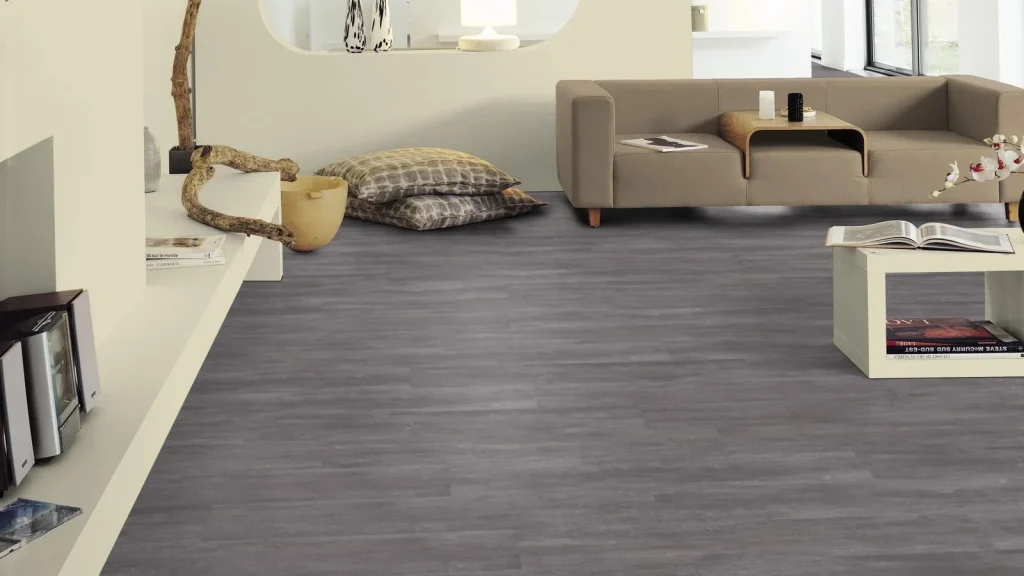
The patterns, colors, and styles the ground will exist in are varied. Linoleum flooring is often created to copy hardwood, stone, and different styles. Compared to totally different floor sorts with restricted variations, linoleum is additional desirable. With the variety of selections, it is unlikely that you simply can lack a floor that appeals to your style and preference.
Selecting this flooring type will be easy on budget. you’ll be able to have a hardwood look-alike at a lower price, permitting you a classy home while not disbursement heaps of cash. As a result, you will be able to select the reproduction to shop for, you will need to get a style that mimics the foremost expensive flooring.
Being a resilient floor, linoleum is simple to chop. It’s easy to create a pattern of your selection throughout linoleum flooring installation since it doesn’t need abundant labor to try and do so. It’s the explanation why most of this flooring can have superbly crafted mosaic styles.
The History and Evolution of Linoleum Flooring
Linoleum was first invented in the mid-19th century by Frederick Walton, an Englishman who discovered that oxidized linseed oil could be transformed into a durable material when mixed with other natural ingredients. This innovation quickly became a revolution in the flooring industry, providing an alternative to wood and stone surfaces. By the late 1800s and early 1900s, linoleum was a household name across Europe and North America.
During the early 20th century, linoleum became especially popular in kitchens, schools, and hospitals due to its affordability, resilience, and easy maintenance. Its ability to resist stains, heat, and wear made it a preferred choice in both residential and public buildings. Manufacturers expanded its design options, introducing decorative patterns and colors that appealed to a growing middle class.
However, linoleum faced challenges during the mid-20th century with the rise of vinyl flooring. Vinyl, being cheaper and easier to produce, quickly overtook linoleum in popularity. For decades, linoleum was overshadowed by synthetic alternatives and often misrepresented as an outdated product.
Today, linoleum has regained recognition due to increased awareness of sustainability and health-conscious living. Unlike vinyl, which releases harmful VOCs (volatile organic compounds), linoleum is natural and eco-friendly. Architects, interior designers, and environmentally conscious homeowners are once again turning to linoleum for its combination of aesthetics, performance, and ecological responsibility.
The journey of linoleum flooring reflects a story of innovation, decline, and revival. Its rich history highlights the timeless appeal of natural materials and the growing demand for sustainable solutions in modern construction and interior design.
Advantages of Linoleum Flooring
Linoleum flooring comes with a wide range of advantages that make it a reliable choice for many settings. First and foremost, its durability is unmatched among natural flooring materials. With proper care, linoleum can last anywhere between 20 to 40 years, making it a long-term investment for homeowners and businesses alike.
Another major benefit is its eco-friendliness. Since linoleum is made from renewable raw materials, it has a minimal carbon footprint and is biodegradable. For environmentally conscious consumers, this makes it a sustainable alternative to synthetic flooring products such as vinyl.
Linoleum is also naturally anti-bacterial and hypoallergenic, which means it can inhibit the growth of harmful microbes. This feature makes it an excellent option for hospitals, schools, and homes where hygiene is a priority. In addition, linoleum is static-resistant and does not accumulate dust easily, which benefits people with allergies or asthma.
Comfort is another advantage. Linoleum has a slightly soft, flexible surface that absorbs impact, reducing strain on the feet and joints. It also provides sound insulation, making rooms quieter and more comfortable.
From an aesthetic perspective, linoleum is available in an impressive variety of patterns, textures, and colors. Whether you prefer classic designs or modern minimalism, linoleum can be customized to suit your interior style. It can even mimic the look of wood, stone, or tiles, providing versatility at an affordable price.
Finally, linoleum is relatively easy to maintain. Regular sweeping and occasional damp mopping are usually sufficient to keep it looking fresh. With proper sealing and care, its surface remains resistant to stains and scratches for many years.
Different Types and Styles of Linoleum Flooring
Linoleum flooring is available in several types and styles to suit different needs, preferences, and spaces. The three main categories are sheet linoleum, tile linoleum, and click linoleum.
Sheet Linoleum is the most common type and comes in large rolls. It is ideal for covering wide areas with minimal seams, making it highly resistant to moisture and dirt. Sheet linoleum is often chosen for kitchens, bathrooms, and healthcare facilities where hygiene is critical.
Tile Linoleum is cut into square or rectangular pieces that resemble ceramic or stone tiles. These tiles are easy to install and replace, offering flexibility in design. Homeowners can mix and match colors to create unique patterns and layouts.
Click Linoleum comes in planks or tiles that use a click-lock system for installation. This type is suitable for DIY projects as it does not require adhesives. It provides the same benefits as traditional linoleum but with the added advantage of easier installation and replacement.
When it comes to styles, linoleum is highly versatile. It can be designed to mimic natural materials like wood, marble, or granite. It also comes in bold, vibrant colors and artistic patterns, allowing designers to experiment with creative layouts. Some modern linoleum products even incorporate 3D textures for added depth and character.
In addition to its visual appeal, linoleum can be finished with either a matte or glossy surface. Matte finishes provide a subtle, natural look, while glossy finishes add brightness and elegance to a room. With so many options, linoleum flooring continues to be a favorite for both traditional and contemporary interiors.
Installation Process of Linoleum Flooring
Installing linoleum flooring requires careful preparation and precision to ensure a smooth and long-lasting finish. The process varies slightly depending on whether you choose sheet, tile, or click linoleum.
For sheet linoleum, the subfloor must be clean, dry, and level before installation. Any imperfections should be corrected, as linoleum is flexible and may reveal bumps or cracks underneath. The sheet is then rolled out, measured, and cut to fit the space. Adhesive is applied evenly, and the sheet is carefully positioned and pressed down to avoid air bubbles. Seams are sealed to prevent moisture infiltration.
Tile linoleum installation is simpler and allows for more creative layouts. Tiles are usually adhered directly to the subfloor with glue, and grout lines are carefully aligned for a professional finish. Since tiles can be replaced individually, this option provides flexibility in case of damage.
Click linoleum is the most user-friendly type for DIY enthusiasts. The planks or tiles are snapped together using a locking mechanism, eliminating the need for adhesives. This floating floor system is installed over an underlayment, which provides added cushioning and soundproofing.
Regardless of the type, professional installation is recommended for large areas or complex layouts to ensure precision and durability. Proper installation also involves allowing the linoleum to acclimate to the room’s temperature and humidity for at least 24–48 hours before fitting.
Once installed, linoleum requires sealing to enhance its resistance to moisture and stains. With correct installation and care, linoleum flooring can deliver decades of reliable performance and timeless beauty.
Maintenance and Cleaning Tips for Linoleum Flooring
Maintaining linoleum flooring is straightforward, but consistent care is necessary to preserve its beauty and durability. The first step is regular sweeping or vacuuming to remove dirt, dust, and debris that may cause scratches. Unlike some synthetic materials, linoleum is sensitive to harsh chemicals, so using gentle cleaning solutions is essential.
For routine cleaning, a damp mop with warm water and a mild pH-neutral cleaner is recommended. Avoid soaking the floor with excess water, as this can damage the adhesive or seep into seams. After mopping, drying the floor with a clean cloth prevents streaks and water spots.
To maintain its protective layer, linoleum should be polished or waxed periodically, depending on the manufacturer’s guidelines. Applying a suitable polish enhances its shine and protects it against scratches and stains. In high-traffic areas, waxing may be needed more frequently.
Preventive measures also go a long way in preserving linoleum. Using mats at entryways helps reduce dirt and grit, while felt pads under furniture protect against scratches. Heavy objects should not be dragged across the floor, as this can cause permanent damage.
Spills should be wiped up immediately to prevent staining. Although linoleum is stain-resistant, substances like wine, coffee, or oil may leave marks if left untreated. For stubborn stains, a gentle scrubbing pad and diluted vinegar solution can be used.
With proper cleaning and preventive care, linoleum flooring can remain vibrant and functional for decades. Its easy maintenance is one of the key reasons it remains a popular choice among homeowners and businesses alike.
Linoleum vs. Vinyl: Key Differences
Many people confuse linoleum with vinyl flooring because they look similar, but the two materials are quite different in composition, performance, and environmental impact.
Material Composition: Linoleum is made from natural, renewable resources such as linseed oil, wood flour, cork dust, and jute. Vinyl, on the other hand, is a synthetic product derived from petroleum-based chemicals and PVC (polyvinyl chloride).
Durability and Lifespan: Linoleum is incredibly durable and can last 30–40 years with proper care. Vinyl generally lasts 10–20 years, depending on quality and usage. Linoleum is also more resistant to scratches and dents, while vinyl may show wear more quickly.
Eco-Friendliness: Linoleum is biodegradable and eco-friendly, making it a preferred choice for sustainable building projects. Vinyl, however, contributes to environmental pollution and releases VOCs, which can impact indoor air quality.
Design Variety: Vinyl often has a wider variety of designs, including realistic wood and stone imitations. Linoleum also offers many design options but may have a more natural, muted look compared to vinyl’s bold patterns.
Maintenance: Both materials are relatively easy to maintain, but linoleum may require periodic polishing, whereas vinyl typically only needs regular sweeping and mopping.
Cost: Vinyl is usually cheaper upfront, which makes it attractive to budget-conscious buyers. However, linoleum’s longer lifespan and sustainability often make it more cost-effective in the long run.
In conclusion, while vinyl may be more accessible, linoleum offers a natural, durable, and eco-friendly alternative that appeals to environmentally conscious consumers who value long-term performance.
Conclusion
Linoleum flooring is a timeless, eco-friendly, and versatile choice that continues to prove its value in modern interiors. From its rich history to its natural composition and impressive durability, linoleum offers a combination of beauty, sustainability, and practicality. Available in a wide variety of styles, it can suit both traditional and contemporary spaces while providing comfort and resilience underfoot.
Compared to synthetic options like vinyl, linoleum stands out for its environmental benefits and longer lifespan. Its easy maintenance and hygienic properties make it especially suitable for households, schools, and healthcare facilities. Though its initial cost may be higher than some alternatives, its longevity and eco-friendliness ensure lasting value.
As design trends move toward sustainability and natural materials, linoleum is experiencing a well-deserved revival. Whether you are renovating your home, designing a commercial space, or seeking a sustainable flooring option, linoleum remains a smart and future-proof investment.
The most important frequently asked questions about linoleum flooring
How is linoleum different from vinyl?
Linoleum is natural, while vinyl is synthetic. Linoleum is also more eco-friendly.
Is linoleum durable?
Yes, it can last 20–40 years with proper care.
Is linoleum waterproof?
It is water-resistant, but not fully waterproof. Prolonged moisture may damage it.
How do I clean linoleum flooring?
Sweep regularly and mop with a damp cloth and mild cleaner. Avoid excess water.