
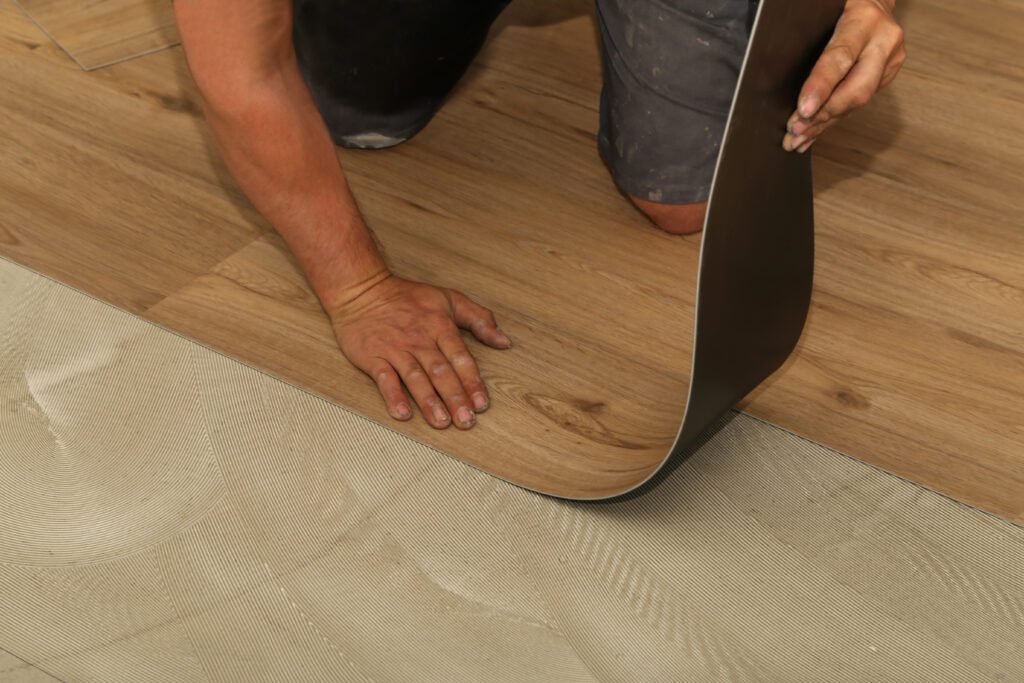
Modern construction and interior development projects rely heavily on consistent material supply chains. Flooring materials, especially engineered solutions like Luxury Vinyl Tile (LVT), require careful sourcing, quality verification, and logistics coordination to ensure project timelines remain on track. The role of suppliers has evolved from simple product distribution to full technical and logistical support throughout construction phases.
As infrastructure and property development continue expanding across urban regions, flooring suppliers play an essential role in ensuring that builders, designers, and facility planners receive reliable materials that meet regulatory, environmental, and durability standards. Understanding how suppliers operate helps project stakeholders evaluate reliability, quality control, and long-term project efficiency.

Understanding supply chain processes involved in sourcing and distributing luxury vinyl tile flooring products regionally
The supply chain for modern flooring materials involves multiple stages, from manufacturing to final project delivery. Each stage requires quality control measures to ensure product consistency and performance reliability.
Supply chain stages typically include:
- Raw material sourcing and processing
- Manufacturing and product quality inspection
- International shipping and customs compliance
- Regional warehousing and storage control
- Local distribution to project sites
Many developers studying regional supply capabilities explore providers such as lvt flooring supplier dubai to understand how suppliers manage inventory availability and delivery timelines for large-scale developments.
Reliable supply chains reduce construction delays and help maintain consistent material specifications across multi-phase projects. This is especially important in commercial construction where flooring uniformity impacts safety, performance, and design consistency.
Key quality certification standards that flooring suppliers must meet for commercial and residential construction compliance
Quality certifications ensure that flooring products meet international safety, durability, and environmental standards. Suppliers must verify that their materials comply with both global manufacturing regulations and local building codes.
Common certification categories include:
- Fire resistance performance standards
- Slip resistance safety certifications
- Indoor air quality and VOC emission limits
- Structural durability and wear testing compliance
Suppliers usually maintain documentation that verifies product testing results and regulatory approvals. These documents help contractors pass building inspections and ensure project compliance with local construction authorities.
Certification transparency also helps architects and engineers select flooring materials based on measurable performance rather than marketing claims.
How supplier product testing ensures consistent wear layer thickness and long term flooring durability performance
Product testing is essential for verifying durability claims. Flooring suppliers typically conduct or review laboratory tests that measure wear resistance, load tolerance, and moisture stability.
Testing often evaluates:
- Abrasion resistance under heavy foot traffic simulation
- Surface scratch resistance from furniture movement
- Water exposure and moisture penetration behavior
- UV exposure resistance for areas with high sunlight
When comparing surface preparation methods before installing flooring materials, project teams sometimes analyze protective surface treatments such as epoxy painting floor to understand how subfloor sealing influences overall floor durability.
Consistent wear layer thickness ensures uniform performance across large flooring areas, preventing uneven aging or visible wear patterns over time.
The role of technical consultation services offered by flooring material suppliers during project planning phases
Modern suppliers often provide technical consultation to help project teams select appropriate flooring solutions based on building usage requirements.
Technical consultation services may include:
- Material performance comparisons for different environments
- Installation method recommendations
- Subfloor preparation guidance
- Climate compatibility assessments
- Maintenance planning recommendations
Consultation is especially important in specialized environments such as healthcare facilities, educational institutions, and fitness centers where flooring performance directly impacts safety and comfort.
Early consultation reduces installation errors and helps contractors plan material quantities accurately, reducing waste and project cost overruns.
How supplier logistics networks influence project timelines and material availability for large construction developments
Logistics is one of the most critical factors influencing construction schedules. Flooring installation often occurs during final construction phases, meaning material delays can directly impact project handover timelines.
Efficient supplier logistics networks focus on:
- Real-time inventory tracking systems
- Regional warehouse distribution strategies
- Backup supply sourcing options
- Emergency replacement product availability
Suppliers that maintain strong logistics networks help contractors avoid unexpected delays caused by shipping disruptions or material shortages.
Large projects often require phased deliveries, where flooring materials are delivered in stages to match construction progress. This prevents onsite storage issues and material damage risks.
Environmental compliance policies followed by flooring suppliers in manufacturing and distribution operations
Environmental responsibility is becoming a major factor in construction material selection. Suppliers increasingly follow sustainability standards to reduce environmental impact.
Environmental compliance may include:
- Low emission manufacturing processes
- Recycled material usage in production
- Eco-friendly packaging materials
- Energy efficient transportation methods
Sustainable supply chain practices help developers meet green building certification requirements and improve overall project environmental performance.
Additionally, environmentally responsible suppliers help improve indoor air quality by offering low VOC emission flooring materials that support healthier interior environments.
Differences between local distributors and international flooring supply manufacturers in material sourcing reliability
Understanding the difference between local distributors and international manufacturers helps project teams choose the right sourcing strategy.
Local Distributors Advantages
- Faster delivery times
- Easier communication and support
- Better understanding of local building regulations
International Manufacturers Advantages
- Larger product variety
- Access to advanced manufacturing technologies
- Global quality certification coverage
When comparing specialty flooring materials designed for heavy impact and high traffic use, facility planners sometimes study alternatives such as terrazzo rubber flooring to evaluate durability and maintenance differences across material categories.
Balancing local accessibility with international quality standards often produces the most reliable supply strategy.
Conclusion
Flooring suppliers play a critical role in modern construction by ensuring material quality, compliance, and delivery reliability. Beyond simple product distribution, suppliers now provide technical guidance, logistics coordination, and environmental compliance support that directly influence project success.
By understanding supply chain structure, certification standards, product testing procedures, and logistics strategies, construction professionals can make informed sourcing decisions that support long-term building performance and operational efficiency.
FAQs
What certifications should a reliable flooring supplier normally have?
Reliable suppliers typically provide fire resistance certification, slip resistance testing documentation, VOC emission compliance certificates, and durability performance test reports.
How do flooring suppliers test product durability before distribution?
Suppliers conduct laboratory testing that simulates foot traffic wear, moisture exposure, surface scratching, and long-term usage stress.
Why is supplier logistics important for large scale construction projects?
Logistics ensures materials arrive on time and in proper condition, helping contractors maintain construction schedules and avoid costly delays.
What documentation should suppliers provide for flooring material compliance?
Suppliers usually provide test reports, certification documents, safety data sheets, and installation technical guidelines.
How do suppliers help contractors choose the correct flooring specifications?
They provide technical consultations based on building usage, environmental conditions, expected traffic levels, and maintenance requirements.
What environmental standards apply to modern flooring material suppliers?
Many suppliers follow low emission manufacturing guidelines, sustainable material sourcing policies, and green building compliance standards.