
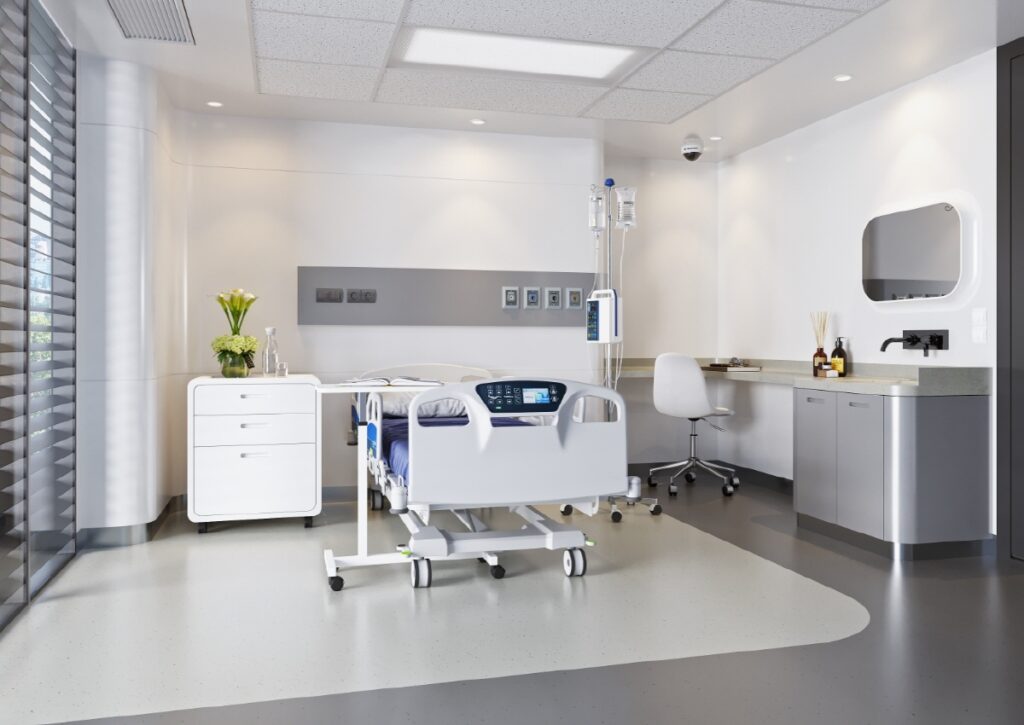
Vinyl flooring has become an increasingly popular choice for healthcare facilities, including hospitals, due to its exceptional functionality and numerous benefits. In this article, we’ll explore the unique features of hospital vinyl flooring and delve into the advantages it offers in medical settings.
Vinyl flooring is renowned for its versatility, durability, and ease of maintenance, making it an ideal option for hospitals where cleanliness and hygiene are paramount. From operating rooms to patient wards, vinyl flooring provides a safe and sanitary environment while also offering aesthetic appeal and practicality.
Throughout this article, we’ll examine the specific functionalities and benefits of hospital vinyl flooring, highlighting its role in promoting patient safety, enhancing infection control measures, and contributing to the overall efficiency of healthcare facilities.
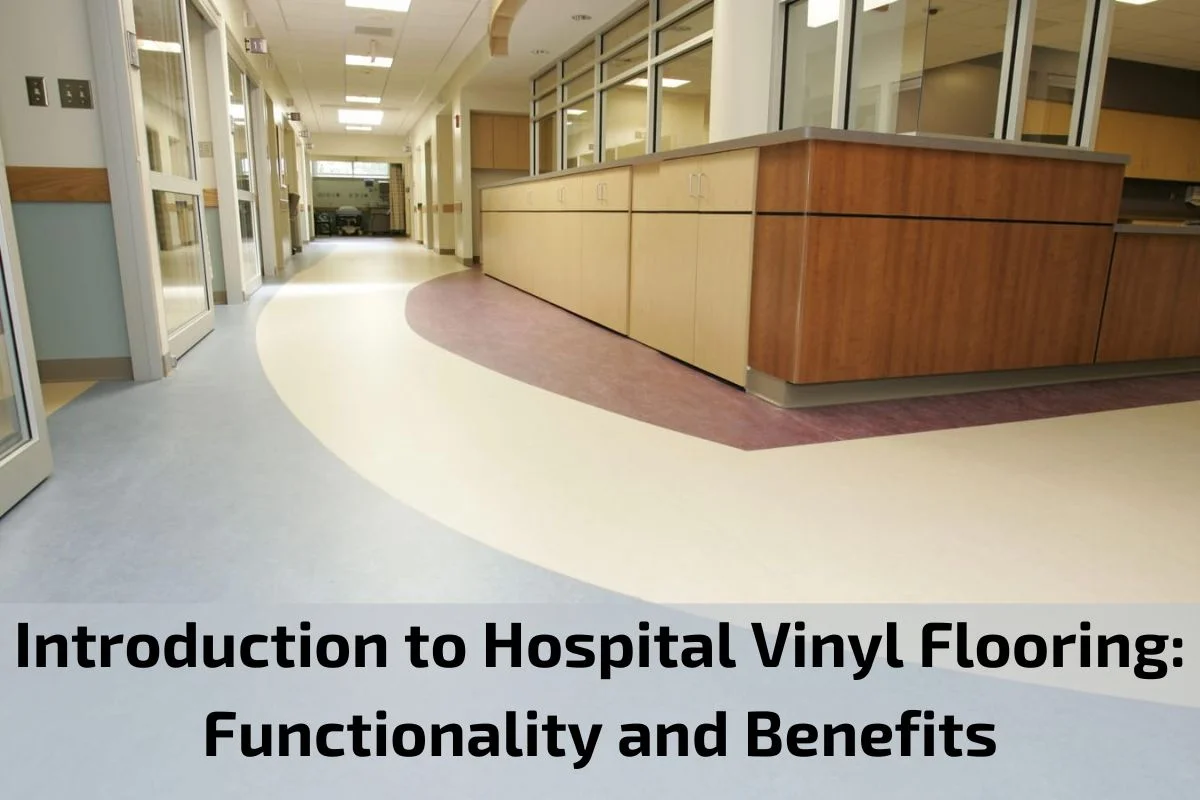
Overview of Hospital Vinyl Flooring
Hospital vinyl flooring is a specialized flooring option designed specifically for healthcare environments, including hospitals, clinics, and medical facilities. It is a preferred choice due to its exceptional durability, hygienic properties, and ease of maintenance. Hospital vinyl flooring is engineered to meet the unique demands of medical settings, where cleanliness, safety, and infection control are of utmost importance.
This type of flooring is typically made from polyvinyl chloride (PVC) resin, which is combined with other materials to enhance its performance and durability. Hospital vinyl flooring comes in various forms, including sheet vinyl, vinyl tiles, and luxury vinyl planks, offering versatility in design and installation options to suit different areas within healthcare facilities.
Hospital vinyl flooring is known for its seamless and smooth surface, which reduces the risk of bacteria and pathogens harboring in cracks or crevices. It is resistant to moisture, stains, and chemicals, making it easy to clean and maintain in sterile environments. Additionally, hospital vinyl flooring can withstand heavy foot traffic and rolling medical equipment without showing signs of wear and tear.
In healthcare settings, where patient safety is paramount, hospital vinyl flooring offers excellent slip resistance properties to prevent accidents and injuries. It also meets stringent regulatory standards for fire safety, chemical emissions, and ADA accessibility requirements, ensuring compliance with healthcare regulations and guidelines.
Overall, hospital vinyl flooring provides a hygienic, durable, and safe flooring solution for medical environments, contributing to the well-being of patients, staff, and visitors while maintaining a clean and sterile atmosphere essential for effective healthcare delivery.
Importance of Vinyl Flooring in Hospital Settings
Vinyl flooring plays a crucial role in hospital settings due to its numerous advantages and specific characteristics tailored to meet the unique demands of healthcare environments. Here are some key reasons why vinyl flooring is essential in hospitals:
Hygiene and Infection Control: Maintaining a clean and sterile environment is paramount in hospitals to prevent the spread of infections and diseases. Vinyl flooring’s smooth and non-porous surface makes it easy to clean and disinfect, reducing the risk of bacterial growth and contamination. Its seamless installation minimizes the presence of cracks and crevices where pathogens could hide, enhancing overall hygiene standards.
Durability and Longevity: Hospitals experience heavy foot traffic and constant use of medical equipment, which can take a toll on flooring surfaces. Vinyl flooring is renowned for its exceptional durability and resilience, capable of withstanding the rigors of daily wear and tear in high-traffic areas such as corridors, patient rooms, and operating theaters. Its robust construction ensures long-term performance, reducing the need for frequent repairs or replacement.
Safety Features: Patient safety is a top priority in hospitals, and flooring plays a critical role in preventing slips, trips, and falls. Vinyl flooring is engineered with slip-resistant properties, providing traction underfoot and reducing the risk of accidents, particularly in areas prone to spills or moisture. Additionally, vinyl flooring meets fire safety standards and contributes to creating a safe environment for patients, staff, and visitors.
Comfort and Acoustics: Hospital environments can be stressful for patients and staff, making comfort and noise reduction important considerations. Vinyl flooring offers underfoot comfort and cushioning, minimizing fatigue for healthcare professionals who spend long hours on their feet. Furthermore, vinyl flooring absorbs sound and reduces noise levels, creating a quieter and more peaceful atmosphere conducive to healing and recovery.
Design Versatility: Hospitals strive to create welcoming and healing environments that promote patient well-being and comfort. Vinyl flooring comes in a wide range of colors, patterns, and textures, allowing hospitals to customize their interiors and create aesthetically pleasing spaces. From calming and serene patient rooms to vibrant and energetic common areas, vinyl flooring offers design versatility to suit diverse healthcare settings.
Advantages of Vinyl Flooring in Hospitals
Vinyl flooring offers numerous advantages that make it the preferred choice for healthcare environments. One of the primary benefits is its durability. Unlike other flooring materials such as carpet or wood, vinyl can endure heavy foot traffic, hospital equipment movement, and frequent cleaning without significant wear. This ensures a long lifespan, reducing maintenance and replacement costs.
Hygiene is another crucial advantage. Vinyl floors are non-porous, preventing liquids, dust, and pathogens from seeping into the surface. This property allows for quick and efficient cleaning, which is essential in reducing infection risks in hospitals. Many hospital-grade vinyl options also come with anti-microbial layers that actively resist the growth of bacteria and mold.
Additionally, vinyl flooring is safe. Its slip-resistant texture minimizes the risk of falls, especially in areas prone to spills like operating rooms, laboratories, and bathrooms. The material also has shock-absorbing properties, which reduce fatigue for healthcare workers who spend long hours on their feet.
From an aesthetic perspective, vinyl flooring is highly versatile. Hospitals can choose from various colors, patterns, and finishes to create a welcoming and professional environment. This is particularly important in patient rooms and public areas, where a calming and clean appearance can enhance patient experience.
Vinyl flooring also offers cost-effectiveness. Installation is relatively easy compared to ceramic tiles or hardwood, and the material requires minimal maintenance. Repairs are straightforward, often involving patching rather than full replacement.
In conclusion, vinyl flooring combines durability, hygiene, safety, and aesthetics, making it a practical and efficient solution for hospitals seeking to improve both functionality and patient comfort.
Types of Hospital Vinyl Flooring
Hospital vinyl flooring comes in various types, each tailored to meet specific functional and aesthetic needs within healthcare facilities. Sheet vinyl is one of the most common forms, consisting of large, continuous sheets that provide a seamless surface. This eliminates joints and seams where dirt and bacteria could accumulate, making it highly hygienic and easy to maintain.
Another popular type is vinyl tiles, which are modular and versatile. Vinyl tiles allow hospitals to mix and match colors and patterns, creating visually appealing designs that enhance patient experience. While slightly less seamless than sheet vinyl, tiles are easier to replace if damaged.
Luxury vinyl tiles (LVT) are increasingly being used in hospitals, combining durability with a realistic appearance of natural materials like wood or stone. LVT is ideal for areas where aesthetics are particularly important, such as lobbies, waiting rooms, and administrative offices.
Homogeneous vinyl flooring is designed for high-traffic areas like corridors and emergency rooms. This type of vinyl is made from a single layer of material, ensuring consistent wear resistance throughout its thickness. Its durability makes it ideal for long-term usage in critical hospital areas.
Heterogeneous vinyl flooring, on the other hand, features multiple layers, including a protective wear layer, decorative layer, and backing layer. This type allows for more design flexibility while still maintaining durability and comfort underfoot.
Additionally, some hospital vinyl floors include anti-microbial coatings or cushioned backing to provide extra infection control and reduce strain on staff. The choice of vinyl type depends on specific hospital requirements, budget, and desired aesthetic impact.
Ultimately, understanding the types of hospital vinyl flooring helps healthcare administrators select the most suitable option to balance hygiene, safety, durability, and visual appeal.
Installation Process of Hospital Vinyl Flooring
Installing hospital vinyl flooring requires careful planning and precision to ensure longevity, safety, and hygiene. The first step involves preparing the subfloor. The surface must be clean, level, and dry, free of any cracks or debris that could compromise adhesion or create uneven areas. Moisture barriers may also be installed if required, particularly in areas prone to spills or high humidity.
For sheet vinyl, large rolls are unrolled and cut to fit the designated space. Seams are strategically placed to minimize their visibility and reduce areas where dirt and bacteria can accumulate. Adhesives are applied carefully, and the flooring is pressed down to ensure full contact with the subfloor. Heat welding is often used to seal seams, creating a continuous, seamless surface that is highly hygienic.
For vinyl tiles, installation is typically faster and more flexible. Tiles are either glued directly to the subfloor or installed using a loose-lay system. Loose-lay tiles are particularly advantageous in areas where quick replacement is necessary, as individual tiles can be removed without disturbing the surrounding floor.
Curing time is essential after installation. Adhesives must fully set, and heavy traffic should be avoided for at least 24–48 hours to ensure the floor bonds properly. During this period, cleaning and moisture control are critical to prevent surface imperfections.
Professional installation ensures proper alignment, seamless appearance, and safety compliance. Hospital flooring often requires meeting healthcare standards, including slip resistance, fire rating, and anti-microbial properties. Failure to adhere to these standards can compromise patient safety and hygiene.
In conclusion, the installation process is a crucial step that determines the performance and durability of hospital vinyl flooring. Proper preparation, precision, and adherence to standards are essential for creating a safe, hygienic, and visually appealing healthcare environment.
Maintenance and Cleaning of Hospital Vinyl Flooring
Maintaining hospital vinyl flooring is essential to ensure hygiene, safety, and longevity. Daily cleaning routines typically involve sweeping and dust mopping to remove loose dirt and debris that could scratch or damage the floor. Hospitals often use microfiber mops and vacuum systems with HEPA filters to reduce airborne particles.
For more intensive cleaning, wet mopping with neutral pH cleaners is recommended. Harsh chemicals can damage the protective wear layer, reducing the floor’s lifespan and aesthetic appeal. Some hospitals also employ automated cleaning machines, such as scrubbers and buffers, to maintain large areas efficiently.
Regular maintenance also includes spot cleaning of spills and stains, particularly in areas prone to contamination like laboratories and operating rooms. Quick response prevents staining and reduces the risk of bacterial growth. Anti-microbial coatings in hospital vinyl flooring provide an additional layer of protection, but regular cleaning is still necessary to maintain optimal hygiene.
Polishing and waxing may be required occasionally, depending on the type of vinyl. However, excessive waxing should be avoided, as it can make floors slippery and reduce their slip-resistant properties. Some hospitals prefer low-maintenance vinyl options that do not require waxing, minimizing downtime and labor costs.
Routine inspections are important to identify damage or wear. Vinyl tiles that are cracked or peeling should be replaced promptly to prevent tripping hazards and maintain infection control standards. Seams in sheet vinyl should also be checked to ensure they remain fully sealed.
In summary, hospital vinyl flooring maintenance combines daily cleaning, periodic deep cleaning, and routine inspections. Following proper procedures ensures a safe, hygienic, and long-lasting environment suitable for patients and staff alike.
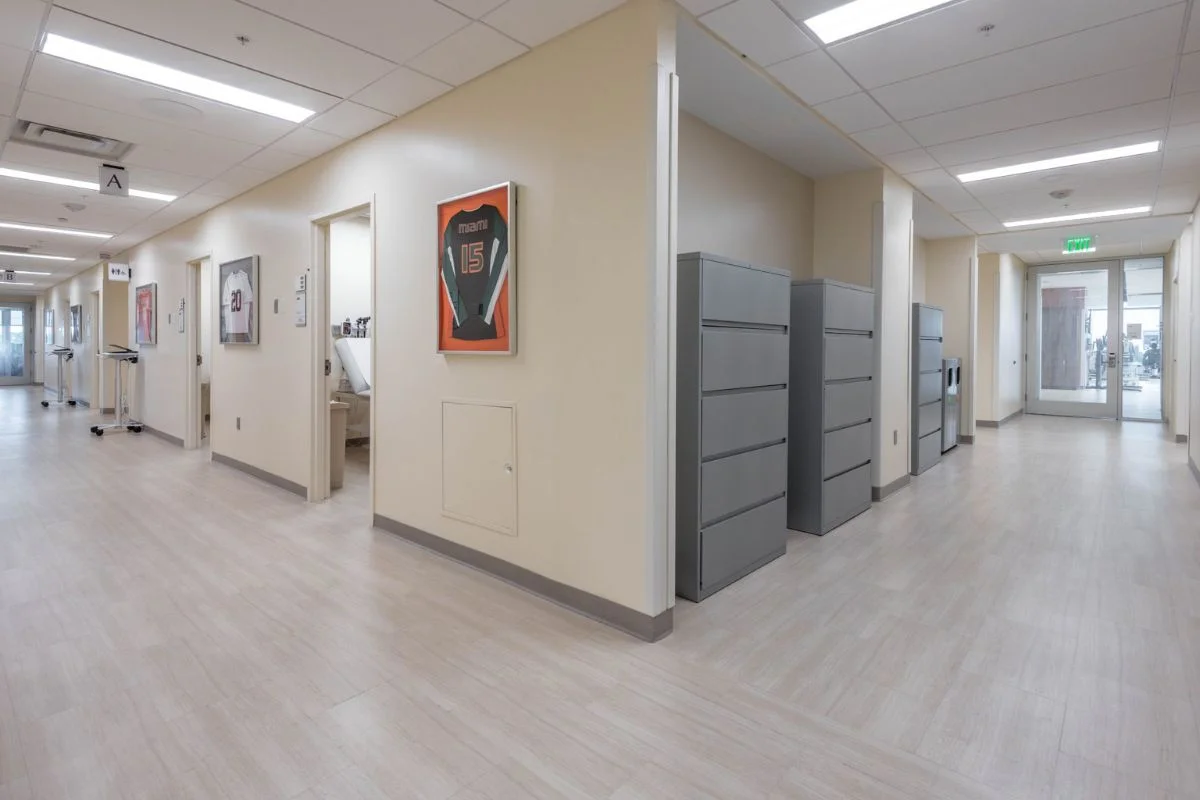
Advantages and Disadvantage of Hospital Vinyl Flooring
Vinyl flooring in hospital settings offers a range of advantages and a few potential disadvantages, making it essential to weigh both sides when considering this flooring option:
Advantages:
Hygienic Properties: Hospital vinyl flooring is easy to clean and maintain, providing a smooth and non-porous surface that resists bacterial growth and contamination. This contributes to maintaining high standards of hygiene in healthcare environments.
Durability and Longevity: Vinyl flooring is highly durable and resilient, capable of withstanding heavy foot traffic and the use of medical equipment without showing signs of wear and tear. Its long-term performance reduces the need for frequent repairs or replacement.
Safety Features: Hospital vinyl flooring is engineered with slip-resistant properties, reducing the risk of slips, trips, and falls in healthcare settings. It also meets fire safety standards and contributes to creating a safe environment for patients, staff, and visitors.
Design Versatility: Vinyl flooring offers a wide range of design options, including various colors, patterns, and textures, allowing hospitals to customize their interiors and create visually appealing spaces that promote patient comfort and well-being.
Disadvantages:
Vulnerability to Damage: While vinyl flooring is durable, it can still be susceptible to damage from sharp objects or heavy impacts. Scratches, dents, and tears may occur, particularly in high-traffic areas or where medical equipment is frequently moved.
Environmental Concerns: Some vinyl flooring products may contain chemicals and additives that raise environmental concerns, such as volatile organic compounds (VOCs) emitted during installation or disposal. Hospitals should consider environmentally friendly options and adhere to sustainable practices.
Installation Challenges: Installing vinyl flooring in hospital settings may present challenges, especially when dealing with irregular subfloor surfaces or complex layouts. Proper installation techniques and professional expertise are necessary to ensure a seamless and durable flooring solution.
Cost Considerations: While vinyl flooring is generally cost-effective compared to other flooring options, the initial investment may still be higher than budget-friendly alternatives. Hospitals should carefully assess their budget constraints and long-term maintenance costs before selecting vinyl flooring.
Types of Hospital Vinyl Flooring
Hospital vinyl flooring comes in various types, each offering unique characteristics and benefits tailored to meet the specific requirements of healthcare environments. Here are the common types of vinyl flooring used in hospitals:
Sheet Vinyl Flooring: Sheet vinyl flooring is a seamless and homogeneous flooring option that comes in large rolls, offering easy installation and minimal seams. It provides a smooth and non-porous surface that resists moisture and bacterial growth, making it ideal for sterile environments such as operating rooms and patient wards.
Vinyl Tile Flooring: Vinyl tile flooring consists of individual tiles made from PVC material, typically featuring a printed design layer and a protective wear layer. Vinyl tiles offer design versatility, allowing hospitals to create custom patterns and layouts to enhance the aesthetic appeal of their interiors. They are suitable for areas with moderate foot traffic, such as hallways, reception areas, and administrative offices.
Luxury Vinyl Plank (LVP) Flooring: Luxury vinyl plank flooring replicates the look and texture of natural wood planks or stone tiles, providing a high-end aesthetic without the maintenance requirements of traditional materials. LVP flooring is durable, water-resistant, and easy to clean, making it suitable for healthcare environments where a warm and inviting atmosphere is desired, such as patient rooms and rehabilitation centers.
Antimicrobial Vinyl Flooring: Antimicrobial vinyl flooring is specially formulated to inhibit the growth of bacteria, fungi, and mold, providing an additional layer of protection against healthcare-associated infections. This type of vinyl flooring is designed with antimicrobial agents embedded in the wear layer, ensuring long-lasting hygiene and cleanliness in critical areas such as surgical suites, intensive care units, and isolation rooms.
Static Control Vinyl Flooring: Static control vinyl flooring, also known as electrostatic dissipative (ESD) flooring, is engineered to control static electricity and prevent electrostatic discharge (ESD) in environments where sensitive electronic equipment or devices are present. It helps protect patients, staff, and medical equipment from static-related hazards, making it suitable for laboratories, imaging facilities, and clean rooms.
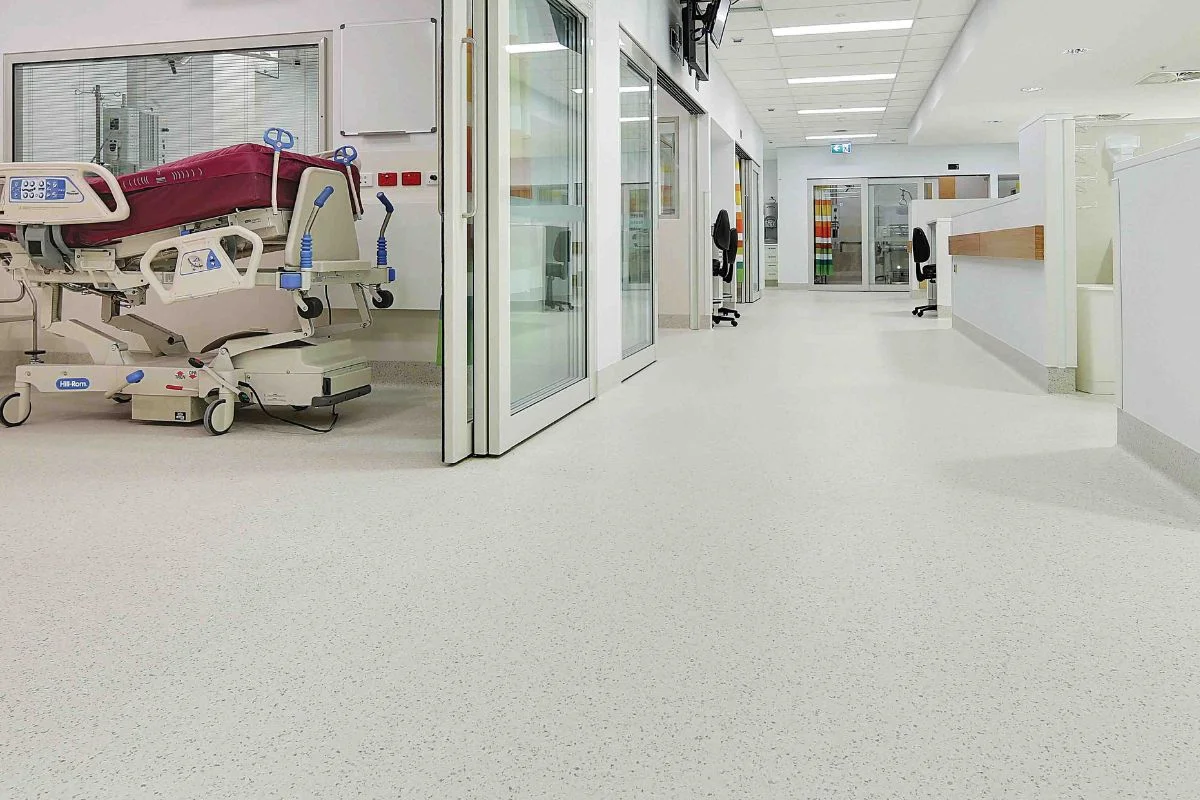
Safety and Slip Resistance
Safety is a top priority in hospitals, and flooring plays a significant role in preventing accidents. Hospital vinyl flooring is specifically designed to provide slip resistance, reducing the risk of falls in critical areas such as operating rooms, emergency departments, and patient bathrooms. Slip resistance is achieved through textured surfaces, protective coatings, or embossed patterns that provide additional grip.
In addition to slip resistance, vinyl flooring offers shock absorption that reduces fatigue for healthcare staff who spend long hours walking or standing. This not only improves staff comfort but also enhances patient safety by maintaining alertness and reducing the likelihood of accidents caused by fatigue.
Another important safety feature is fire resistance. Hospital vinyl flooring is manufactured to comply with fire safety standards, ensuring that it does not easily ignite and helps limit the spread of flames. Hospitals are required to adhere to strict fire regulations, and vinyl flooring contributes significantly to compliance.
Anti-microbial and hygienic properties indirectly improve safety by reducing the risk of infections. A floor contaminated with bacteria or mold can pose serious health hazards, especially in surgical or intensive care units. Regular cleaning and the use of anti-microbial layers mitigate this risk.
Furthermore, vinyl flooring can be installed with color-coded zones or markings to guide staff and patients, enhancing both safety and workflow efficiency. For example, emergency pathways or wet areas can be highlighted to prevent accidents.
Overall, hospital vinyl flooring provides a safe environment by combining slip resistance, fire safety, infection control, and ergonomic benefits. Selecting the appropriate type of vinyl and maintaining it properly ensures maximum safety for patients and healthcare workers alike.
Aesthetic and Design Options
Hospital vinyl flooring offers a wide range of aesthetic options that enhance the visual appeal of healthcare facilities. Unlike traditional sterile flooring, vinyl can mimic natural materials such as wood, stone, or ceramic, creating a warm and welcoming environment for patients and visitors.
Color selection is not merely decorative; it can influence patient mood and well-being. Soft, neutral tones create a calming atmosphere in recovery rooms, while vibrant colors or patterns can stimulate activity and engagement in pediatric or mental health wards. Designers can also use patterns and textures to define spaces, guide traffic flow, or highlight specific areas like nurse stations and waiting areas.
Vinyl flooring allows for custom graphics and logos, which can enhance branding in private hospitals or provide educational information in public facilities. Hospitals can integrate visual cues directly into the floor design, making the environment more functional and informative.
Another advantage is the ability to create seamless flooring transitions. Vinyl can be installed continuously across corridors and rooms, creating a cohesive look and reducing visual clutter. For modular vinyl tiles, designers can experiment with different layouts to create unique patterns while maintaining hygiene standards.
Design flexibility does not compromise durability or safety. Hospital-grade vinyl retains slip resistance, shock absorption, and anti-microbial properties, ensuring that aesthetic choices meet functional requirements.
In conclusion, hospital vinyl flooring offers virtually limitless design options, combining beauty, functionality, and patient-centric considerations. The material allows healthcare facilities to create spaces that are not only safe and hygienic but also visually appealing and psychologically supportive.
Cost Considerations
When choosing hospital vinyl flooring, cost is an important factor. Initial costs include material purchase, installation, and subfloor preparation. Vinyl is generally more cost-effective than alternatives like natural stone, ceramic tiles, or hardwood, offering a long-lasting solution at a lower upfront expense.
Maintenance costs are also lower. Vinyl flooring requires minimal labor and cleaning materials compared to carpet or wood, reducing long-term operational expenses. Its durability reduces the frequency of replacement, providing additional financial savings over time.
Hospitals should also consider life-cycle costs. While some premium options like luxury vinyl tiles (LVT) may have a higher initial cost, their longevity, ease of maintenance, and aesthetic appeal can justify the investment. Conversely, standard sheet vinyl may offer a lower upfront cost but may require more frequent replacement in high-traffic areas.
Additional costs may arise if specialized features are required, such as anti-microbial coatings, slip-resistant surfaces, or cushioned backing. These features enhance safety and hygiene but may slightly increase the price per square meter.
Cost-effectiveness also depends on installation method. Professional installation ensures durability and compliance with healthcare standards, reducing the risk of future repairs. DIY or unskilled installation may result in higher long-term costs due to improper bonding, seams, or subfloor issues.
Ultimately, hospital administrators must weigh material, installation, maintenance, and life-cycle costs to determine the most suitable vinyl flooring. A balance between upfront investment, safety, durability, and aesthetics ensures an economically sound choice that meets healthcare requirements.
Maintenance and Cleaning Guidelines
Proper maintenance and regular cleaning of hospital vinyl flooring are essential to preserve its appearance, longevity, and hygienic properties. Here are some guidelines for effectively maintaining and cleaning hospital vinyl flooring:
Daily Cleaning Routine: Implement a daily cleaning routine to remove surface dirt, dust, and debris from the vinyl flooring. Use a soft-bristled broom or a dry microfiber mop to sweep the floor and remove loose particles.
Damp Mopping: For more thorough cleaning, dampen a microfiber mop or cloth with a neutral pH cleaner approved for use on vinyl flooring. Avoid using abrasive or harsh chemicals that may damage the floor’s surface. Follow the manufacturer’s instructions for dilution ratios and application methods.
Spot Cleaning: Promptly clean up spills and stains to prevent them from setting into the vinyl flooring. Use a damp cloth or sponge with mild soap and water to gently blot the affected area. Avoid abrasive scrubbing or using ammonia-based cleaners, as they may cause discoloration or damage to the flooring.
Disinfection Protocols: In healthcare environments where infection control is critical, implement disinfection protocols to effectively eliminate harmful bacteria and pathogens from the vinyl flooring. Use EPA-approved disinfectants specifically formulated for use on vinyl surfaces. Follow the manufacturer’s instructions for proper dilution, contact time, and application methods.
Avoid Excess Moisture: Vinyl flooring is resistant to moisture, but excessive water exposure can damage the floor’s adhesive and cause warping or delamination. Use minimal water when mopping the vinyl flooring, and promptly dry any excess moisture with a clean, dry cloth or mop.
Use Entrance Mats: Place entrance mats at hospital entrances and high-traffic areas to trap dirt, moisture, and debris before it reaches the vinyl flooring. This helps prevent scratches, abrasions, and premature wear on the floor’s surface.
Avoid Heavy Furniture Dragging: To prevent scratches and damage to the vinyl flooring, avoid dragging heavy furniture or equipment across the floor’s surface. Use furniture pads or sliders under the legs of heavy objects to protect the flooring from scratches and indentations.
Regular Maintenance Inspections: Conduct regular inspections of the vinyl flooring to identify any signs of damage, wear, or deterioration. Address any issues promptly to prevent further damage and ensure the longevity of the flooring.
Conclusion
In conclusion, hospital vinyl flooring stands as a reliable and indispensable flooring solution for healthcare environments, offering a multitude of benefits including durability, hygiene, safety, and design versatility. Its seamless and non-porous surface, along with its resistance to moisture, stains, and chemicals, make it an ideal choice for hospitals seeking to maintain high standards of cleanliness and infection control.
The most important frequently asked questions about Hospital Vinyl Flooring
Why is vinyl preferred in hospitals?
It is easy to clean, resistant to chemicals, durable, and helps maintain a sterile environment.
Is hospital vinyl flooring waterproof?
Yes, it is fully water-resistant, making it ideal for areas prone to spills or moisture.
Can hospital vinyl withstand heavy traffic?
Yes, it is designed to handle high foot traffic and wheeled equipment.
How do you clean hospital vinyl flooring?
Sweep regularly and mop with disinfectants approved for healthcare use.