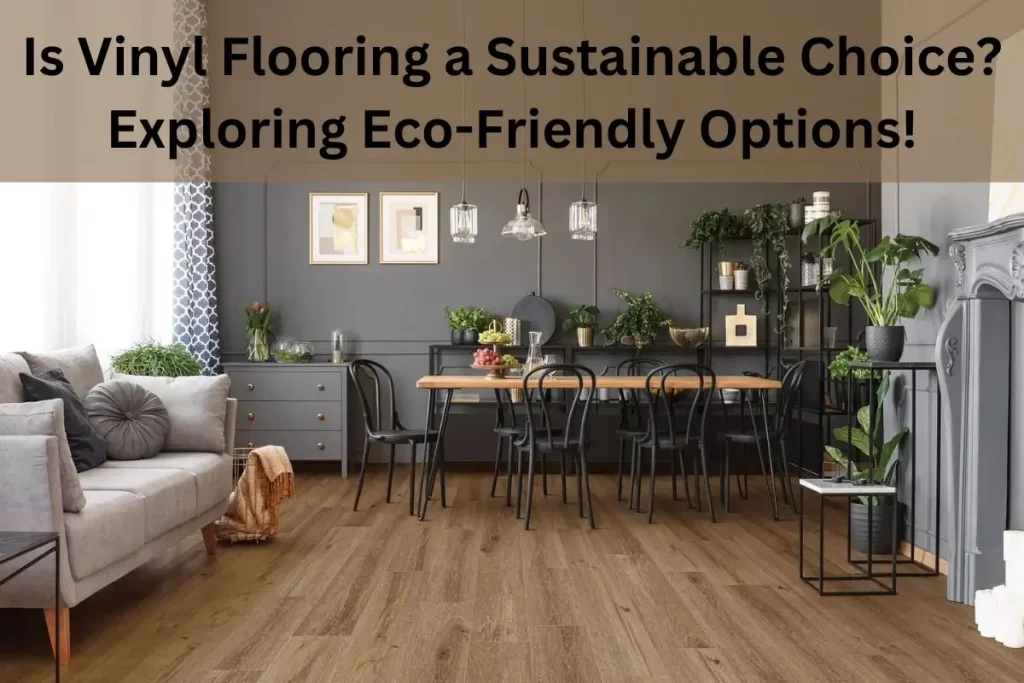
Vinyl flooring is a popular choice for its affordability, durability, and versatility, but how sustainable is it? As eco-consciousness grows, the environmental impact of materials like vinyl comes under scrutiny. In this article, we’ll explore whether vinyl flooring can be considered eco-friendly by analyzing its production, recyclability, and impact on indoor air quality. We’ll also compare it to other environmentally-friendly flooring options to help you make an informed decision.
What is Vinyl Flooring Made Of? Understanding Its Composition
Vinyl flooring is composed primarily of polyvinyl chloride (PVC), a type of plastic derived from petroleum. Additional materials like plasticizers, stabilizers, and pigments are included to enhance flexibility, durability, and appearance. The synthetic nature of these materials raises environmental concerns, as PVC is not renewable and takes centuries to decompose. The chemical additives used in vinyl flooring also pose environmental risks, contributing to pollution during manufacturing and disposal. While vinyl is resilient, its non-biodegradable and non-renewable composition makes its sustainability questionable.
The Environmental Impact of Vinyl Flooring Production
The manufacturing process of vinyl flooring is energy-intensive, relying heavily on non-renewable resources like petroleum. During production, harmful chemicals such as chlorine and dioxins are released, which can contaminate air and water supplies. The use of fossil fuels in production also contributes to greenhouse gas emissions. While some companies are working toward greener production processes, the overall environmental impact of vinyl production is significant. Compared to more sustainable materials like wood or bamboo, vinyl’s carbon footprint remains high, making it a less eco-friendly option in this regard.
Longevity of Vinyl Flooring: Does Durability Equal Sustainability?
One of vinyl flooring’s key selling points is its durability, with some high-quality products lasting up to 20 years or more. This longevity reduces the need for frequent replacements, which could be seen as an eco-friendly advantage by lowering waste. Vinyl’s resistance to moisture and stains also makes it a practical choice for high-traffic areas, further extending its lifespan. However, even though it lasts longer, the environmental cost of its production and disposal does not offset the benefits of its durability. Sustainability involves more than just longevity—it also includes the entire lifecycle of the product.
Is Vinyl Flooring Recyclable? Challenges in Reusing Vinyl
Recycling vinyl flooring is a major challenge due to its complex composition, which often includes a mix of synthetic materials that are difficult to separate. While some manufacturers offer take-back programs or recycling initiatives, the infrastructure for vinyl recycling is still limited. Most vinyl flooring ends up in landfills, where it can leach harmful chemicals into the environment as it decomposes. Additionally, post-consumer vinyl is often contaminated with substances that make it difficult to recycle into new products. In terms of sustainability, vinyl lags behind other materials like wood or bamboo, which are far easier to recycle or repurpose.
Indoor Air Quality: Do VOCs from Vinyl Flooring Pose a Health Risk?
One concern with vinyl flooring is the emission of volatile organic compounds (VOCs), which can contribute to poor indoor air quality. Newly installed vinyl can release chemicals like formaldehyde, causing headaches, respiratory issues, or allergic reactions. However, not all vinyl flooring is created equal. Many manufacturers now offer low-VOC or zero-VOC options, which are designed to minimize harmful emissions. If indoor air quality is a priority for you, look for vinyl products with certifications such as GreenGuard or FloorScore, which guarantee low VOC emissions and safer indoor environments.
Comparing Vinyl to Other Eco-Friendly Flooring Options
When it comes to sustainability, vinyl flooring is outperformed by eco-friendly alternatives like cork, bamboo, and reclaimed wood. Cork and bamboo are renewable resources that grow quickly, and reclaimed wood repurposes existing materials, reducing waste. These options are also biodegradable and generally have lower carbon footprints during production. Vinyl, while affordable and durable, is made from non-renewable resources and poses challenges in disposal. Homeowners looking for truly sustainable flooring options should consider these greener alternatives over vinyl.
Vinyl Flooring Installation Methods
Vinyl flooring can be installed using several techniques, depending on the type of vinyl and the preferences of the homeowner. The main installation methods include glue-down, click-lock (floating), and loose-lay.
Glue-down installation involves adhering the vinyl directly to the subfloor using strong adhesives. This method is commonly used for sheet vinyl and VCT tiles. Glue-down installation provides a stable and long-lasting surface but requires professional skills to ensure proper adhesion and to avoid air bubbles or wrinkles.
Click-lock vinyl, often associated with luxury vinyl planks (LVP) or tiles (LVT), involves interlocking planks or tiles that “click” together without glue. This floating floor method allows for easy installation, even for DIY enthusiasts. Click-lock vinyl can be installed over most existing floors, including concrete, tile, or wood, making it highly versatile.
Loose-lay vinyl flooring is another popular option. These floors are designed to stay in place without adhesive, relying on their weight and friction to prevent movement. Loose-lay vinyl is convenient for temporary installations or rental properties since it can be removed and reused easily.
Preparation is crucial for all installation types. The subfloor must be clean, dry, level, and free of debris. In some cases, an underlayment is added to improve comfort, sound insulation, and moisture resistance. The right installation method depends on the room type, budget, and homeowner skill level.
Professional installation ensures longevity and optimal performance, especially for glue-down or high-traffic areas. DIY installation is more feasible with click-lock or loose-lay systems, making vinyl a flexible flooring solution for various needs.
Vinyl Flooring Maintenance and Care
Maintaining vinyl flooring is relatively straightforward, which contributes to its popularity. Regular cleaning helps preserve the floor’s appearance and prolong its lifespan. Sweeping or vacuuming frequently prevents dirt and grit from scratching the surface.
For deeper cleaning, damp mopping with a mild, pH-neutral cleaner is recommended. Harsh chemicals, bleach, or abrasive scrubbing tools should be avoided, as they can damage the wear layer or dull the floor’s finish. Some vinyl floors, particularly luxury vinyl, may have protective coatings that enhance durability and make maintenance easier.
Spills should be wiped promptly to prevent staining, especially for light-colored vinyl floors. Although vinyl is water-resistant, standing water should be removed to avoid seepage into seams, particularly with sheet vinyl.
Furniture protection is essential to prevent indentations. Using felt pads under chairs, tables, and heavy appliances can reduce pressure marks. Rolling casters should be vinyl-friendly to avoid scratches or gouges.
Regular inspection of seams and edges helps detect any lifting or damage early. Minor repairs may include replacing a tile or plank, while significant damage may require professional intervention.
Routine care not only keeps vinyl flooring looking new but also ensures its longevity. With proper maintenance, a well-chosen vinyl floor can last 10 to 20 years, making it a practical and stylish choice for high-traffic areas.
Vinyl Flooring in Residential Spaces
Vinyl flooring is an ideal option for residential spaces due to its comfort, durability, and versatility. Homeowners can install vinyl in virtually any room, from kitchens and bathrooms to living rooms and bedrooms. Its moisture resistance is particularly advantageous in high-humidity areas, preventing warping or mold growth.
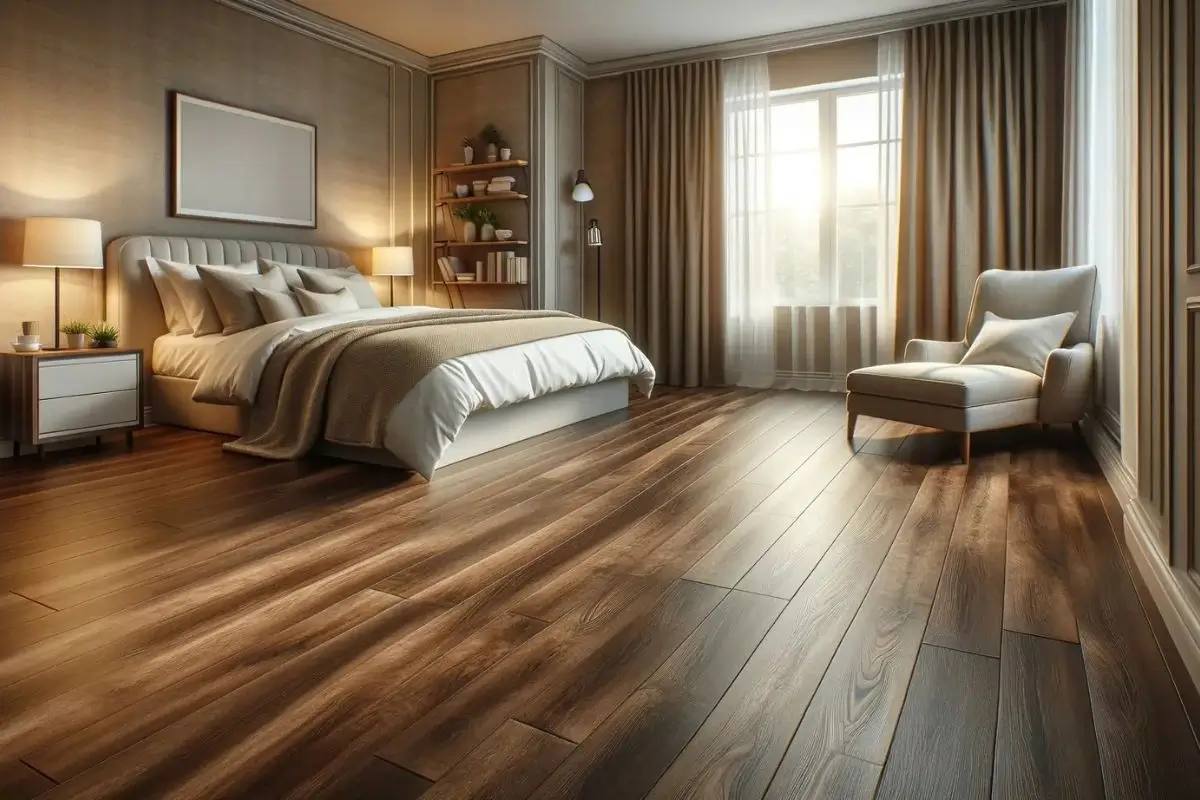
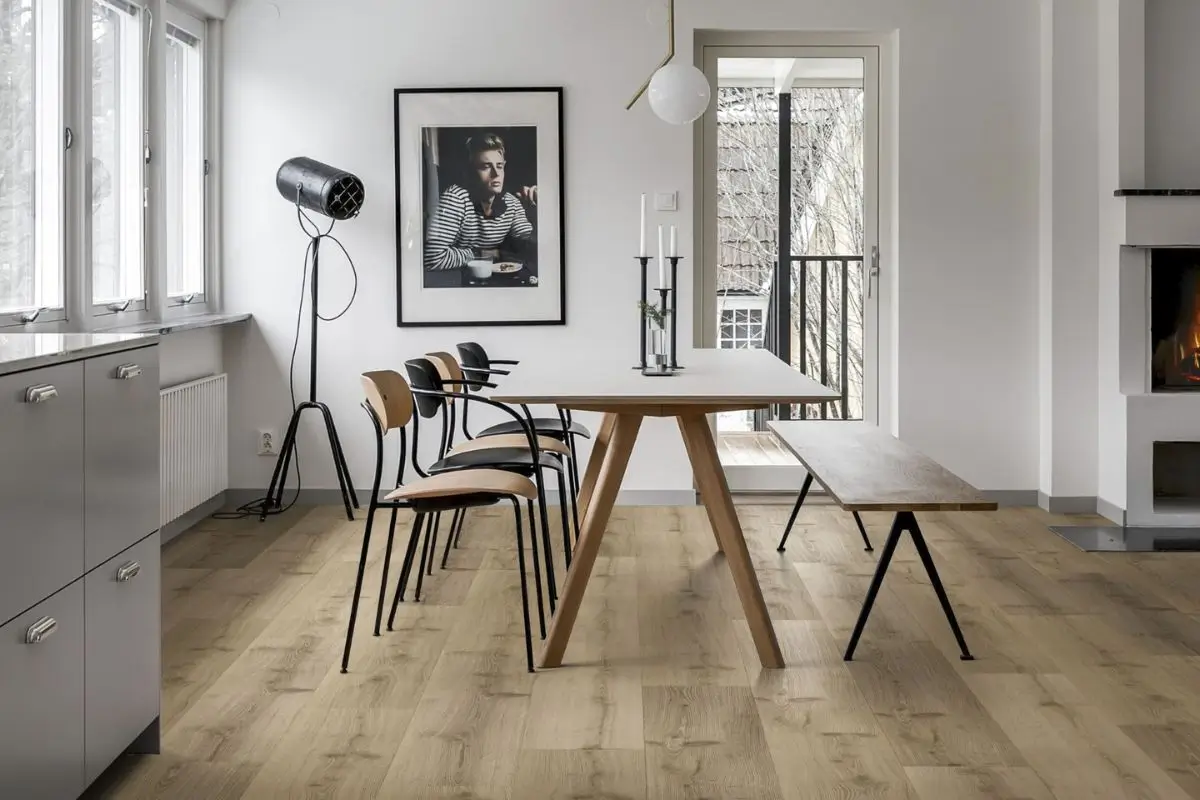
Luxury vinyl planks can mimic hardwood, providing the aesthetic appeal of natural wood without the maintenance concerns. Stone-look vinyl tiles offer an elegant option for kitchens and bathrooms, giving a sophisticated touch without the high costs of natural stone.
Vinyl is also a practical choice for homes with children or pets. Its scratch-resistant and easy-to-clean surface makes it resilient to spills, scratches, and accidents. Additionally, cushioned vinyl provides a softer, safer surface for kids to play on.
Homeowners can choose from a wide range of colors, patterns, and textures to match interior design preferences. From rustic wood finishes to contemporary abstract patterns, vinyl flooring provides creative freedom while maintaining durability.
Eco-Certifications: What to Look for in Sustainable Vinyl Flooring
For those interested in eco-friendly vinyl flooring options, it’s essential to look for specific certifications. Products certified by FloorScore or GreenGuard have been tested for low VOC emissions, ensuring they meet strict indoor air quality standards. LEED (Leadership in Energy and Environmental Design) certification indicates that a product contributes to environmental sustainability through its lifecycle, including production and disposal. While these certifications don’t make vinyl flooring fully sustainable, they do signify that the product has been designed with fewer environmental and health risks in mind, making it a better choice for eco-conscious consumers.
Are There Sustainable Alternatives Within Vinyl Flooring?
While traditional vinyl flooring may not be the most eco-friendly option, some manufacturers are developing more sustainable alternatives. Luxury vinyl tiles (LVT), for example, are made using more advanced, eco-conscious processes that reduce harmful emissions and energy consumption. Some vinyl products now include recycled content, decreasing the need for virgin materials. These innovations within the vinyl industry provide a compromise for homeowners who want the durability of vinyl without the full environmental impact. Opting for vinyl with higher recycled content and low-VOC emissions can reduce its footprint and make it a more responsible choice.
Types of Vinyl Flooring
Vinyl flooring comes in several types, each suited to different needs and preferences. The most common types include sheet vinyl, vinyl tiles (VCT), and luxury vinyl planks (LVP). Each type offers unique features, installation methods, and design possibilities.
Sheet vinyl is sold in large, continuous rolls, often measuring 6 to 12 feet in width. This type provides a seamless look and minimizes the number of joints, making it ideal for moisture-prone areas like bathrooms and kitchens. It is available in various patterns, including realistic stone or wood designs, and is often more affordable than other types of vinyl flooring.
Vinyl composition tile (VCT) is commonly used in commercial spaces due to its durability and ease of replacement. Individual tiles allow for creative patterns and designs, giving spaces a customized look. VCT requires regular maintenance, such as waxing and polishing, to preserve its appearance, but it can withstand high foot traffic and heavy use.
Luxury vinyl planks (LVP) and luxury vinyl tiles (LVT) are gaining popularity in residential applications. These products are designed to mimic the look of natural materials with remarkable realism. LVP, for instance, often resembles hardwood planks, while LVT can imitate ceramic or stone tiles. Both LVP and LVT come with waterproof or water-resistant properties, making them suitable for bathrooms, kitchens, and basements.
Additionally, vinyl flooring can vary in thickness, wear layer, and backing materials, affecting durability, comfort, and installation methods. Homeowners can choose between glue-down, click-lock, or loose-lay installations depending on their preference. With such variety, vinyl flooring offers versatile solutions for virtually any room and lifestyle.
Advantages of Vinyl Flooring
Vinyl flooring offers numerous benefits, making it a preferred choice for homeowners and commercial spaces. Its first major advantage is durability. High-quality vinyl floors can withstand heavy foot traffic, scratches, and impacts, making them suitable for busy households and office environments. Some types of vinyl are even resistant to dents and stains, providing long-term reliability.
Another key advantage is water resistance. Vinyl flooring is ideal for areas prone to moisture, such as bathrooms, kitchens, and basements. Luxury vinyl planks (LVP) and tiles (LVT) are often waterproof, preventing water damage and mold growth, which can be a concern with hardwood or laminate floors.
Vinyl flooring is also comfortable underfoot. Its soft, cushioned surface provides better comfort compared to hard tiles or stone floors. Some vinyl products include an additional foam or cork backing for enhanced comfort and sound insulation, making them suitable for multi-level homes or offices.
Ease of maintenance is another benefit. Unlike hardwood or carpet, vinyl does not require polishing, sealing, or deep cleaning. Regular sweeping and damp mopping are usually sufficient. Additionally, vinyl is resistant to most household stains, simplifying cleaning routines.
Aesthetic versatility is also a major advantage. Vinyl can mimic wood, stone, and ceramic finishes, allowing homeowners to achieve a high-end look without the associated costs. Finally, vinyl flooring is cost-effective, lightweight, and relatively easy to install, reducing labor and material expenses. These advantages collectively make vinyl flooring a practical and stylish choice for various environments.
Disadvantages of Vinyl Flooring
While vinyl flooring has many benefits, it also comes with certain limitations that homeowners should consider. One of the main disadvantages is that lower-quality vinyl can look artificial. Cheaper vinyl products may fail to replicate the appearance of natural wood or stone convincingly, potentially affecting the overall aesthetic of a room.
Another drawback is susceptibility to damage. Although vinyl is durable, it can be punctured by sharp objects or damaged by heavy furniture if not adequately protected. Once damaged, vinyl is difficult to repair; in many cases, replacing the affected section is the only solution.
Vinyl flooring is also prone to fading when exposed to prolonged sunlight. Over time, bright sunlight can cause the colors of vinyl to fade, especially near windows or glass doors. This can impact the visual appeal of the floor, particularly in well-lit spaces.
Some types of vinyl flooring emit volatile organic compounds (VOCs), which may affect indoor air quality. Although modern, high-quality vinyl products often have low VOC emissions, it is important to choose certified, environmentally friendly products for safe indoor use.
Conclusion
Vinyl flooring is durable, affordable, and practical, but its environmental impact cannot be ignored. Its reliance on non-renewable resources, toxic production emissions, and limited recyclability make it a less eco-friendly choice compared to materials like bamboo or cork. However, innovations in low-VOC vinyl and recycled content offer more sustainable alternatives within the vinyl industry. If sustainability is your top priority, eco-friendly options such as cork or reclaimed wood are better choices. For those who value affordability and longevity, vinyl flooring can still be an option if you choose products with eco-certifications and responsible manufacturing processes.
The most important frequently asked questions about Vinyl Flooring
What is vinyl flooring?
A durable, water-resistant synthetic flooring available in planks, tiles, or sheets.
Is vinyl flooring waterproof?
Most vinyl flooring is water-resistant; some types are fully waterproof.
Can vinyl be installed over existing floors?
Yes, if the surface is flat, clean, and smooth.
Can vinyl be used in bathrooms or kitchens?
Yes, it’s ideal for moisture-prone areas.