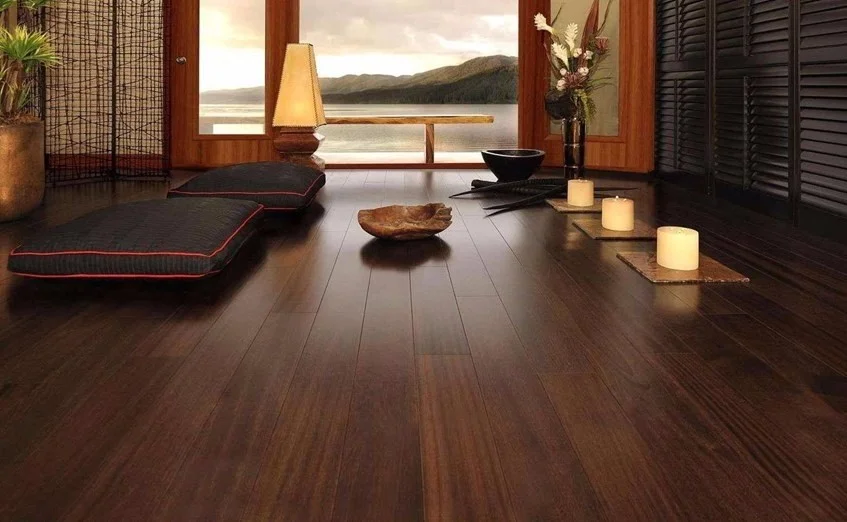
Vinyl flooring is a fantastic choice for any home, property development or commercial space. It is becoming a popular alternative to wood or laminate flooring as it is extremely robust, waterproof and available in beautiful and authentic designs. Its versatility means that it can be used in any room in your home.
Vinyl flooring is made from multiple layers, which have been compressed together to create a floor covering. The surface has a design layer, which is an extremely high-quality representation of natural flooring products. The most popular styles of Vinyl flooring are planks of wooden flooring, stone tiles or ceramic tiles. The designs are really authentic and can transform your home without the setbacks of actually having a natural product.
Benefits of Our Vinyl Flooring
Durability
All types of Vinyl flooring by vinyl flooring are hardwearing and durable. Most are also waterproof and have a built it scratch and stain guard. Vinyl flooring is far more robust than wood or tile flooring than can easily become worn due to daily wear and tear. The surface of Vinyl flooring will not dent or scratch as easily as some wooden floors. vinylflooring.ae, the manufacturers of Vinyl flooring are so confident in the strength of the flooring than they offer many years of guarantee on the domestic ranges. Some types of Vinyl flooring have been specifically designed and produced to withstand even more footfall and have extra protection on the surface, making them suitable for commercial venues.
Beautiful designs
The designs of Vinyl flooring by vinylflooring.aeare almost endless. The idea is that the flooring replicates the look of a natural product, usually wood or tiles. The designs are high quality and give a realistic and authentic appearance. New designs are continually being added to the range so you will be sure to find something to complement your tastes.
Easy to look after
If you are looking for a low maintenance floor, then Vinyl flooring by vinylflooring.aeis a great choice. It requires very little care and all you will need to do is sweep away dust and dirt on a regular basis and mop to remove any stubborn stains. It is an extremely hygienic floor so prefect for allergy sufferers too.
Versatile
Vinyl flooring by vinylflooring.aeis known for its versatility and practicality. It is robust and waterproof, making it ideal for any room in your home. The durability of Vinyl flooring means that it can withstand busy areas such as hallways and living rooms and it can even be fitted onto your staircase. It is a very soft flooring to walk on, which gives it sound reducing benefits, making it a great choice for bedrooms, studies or nurseries. Vinyl flooring can also withstand constant changes in temperature. It can be used with underfloor heating and in rooms like conservatories or orangeries.
Types of Vinyl Flooring
Vinyl flooring comes in several types, each offering unique benefits tailored to specific spaces and design preferences. The three main categories are sheet vinyl, luxury vinyl tiles (LVT), and luxury vinyl planks (LVP). Sheet vinyl is sold in large rolls and provides a seamless, uniform appearance, making it particularly suitable for areas prone to moisture, such as bathrooms and kitchens. Its continuous surface minimizes water penetration, reducing the risk of damage. Luxury vinyl tiles (LVT) are designed to replicate natural stone or ceramic tiles. They are cut into smaller square sections, allowing for creative patterns and layouts, and their textured surfaces often mimic the natural feel of stone. Luxury vinyl planks (LVP) replicate the look of hardwood flooring, offering a realistic wood appearance with grain textures and varied colors. LVP is especially popular in living rooms and bedrooms due to its warm, inviting look. Vinyl flooring can also be classified based on its wear layer thickness. A thicker wear layer increases resistance to scratches, dents, and stains, making it ideal for high-traffic areas or commercial spaces. Conversely, thinner layers are more budget-friendly and suitable for light-use areas. Additionally, vinyl flooring may feature rigid core construction, such as WPC (Wood Plastic Composite) or SPC (Stone Plastic Composite). WPC combines wood pulp and plastic to provide extra cushioning and comfort, while SPC uses stone powder for a dense, highly durable surface. Another option is self-adhesive vinyl, which simplifies installation and reduces the need for professional help. By understanding these types, homeowners can select the vinyl flooring that best fits their needs, balancing appearance, durability, and budget. Ultimately, vinyl’s versatility makes it adaptable to virtually any room, from residential kitchens to commercial spaces.
Installation Process
Installing vinyl flooring is generally easier and quicker than traditional flooring options, which is one reason for its growing popularity. The process begins with preparing the subfloor. The subfloor should be clean, dry, smooth, and free of any debris, cracks, or imperfections. Any existing flooring must be removed or properly leveled to ensure a flat surface. Next, the vinyl is measured and cut to fit the room. For sheet vinyl, this involves rolling it out and trimming edges to match walls or corners. Luxury vinyl tiles (LVT) and planks (LVP) are typically installed using either a click-lock system or adhesive. The click-lock system allows planks or tiles to interlock without glue, enabling a floating floor installation. This method is ideal for DIY projects and minimizes installation time. Glue-down installation requires applying vinyl adhesive to the subfloor before placing the tiles or planks. While this method is slightly more labor-intensive, it provides a more permanent and stable flooring solution. Self-adhesive vinyl is another option, featuring a peel-and-stick backing that simplifies installation further. After placing the vinyl, seams should be pressed down and rolled to ensure a secure bond, and edges can be sealed with trim or baseboards. Proper acclimation is essential, especially for LVT and LVP, which should be left in the room for 24-48 hours before installation to adapt to temperature and humidity. Post-installation care involves removing any dust or adhesive residue. One of the advantages of vinyl flooring installation is the minimal downtime. Rooms can often be used immediately after installation, unlike hardwood or concrete floors that require curing. Overall, the combination of straightforward installation techniques and minimal maintenance makes vinyl an attractive choice for both homeowners and commercial property managers.
Maintenance and Cleaning
Maintaining vinyl flooring is remarkably easy compared to other flooring options, which is a key reason for its popularity in both homes and commercial spaces. Routine cleaning primarily involves sweeping, vacuuming, or dry mopping to remove dust and dirt. This prevents grit from scratching the surface over time. For more thorough cleaning, a damp mop with mild detergent is sufficient. It is important to avoid excessive water, especially in sheet vinyl or older products with seams, to prevent potential damage or mold growth. Vinyl flooring is resistant to stains, but prompt cleaning of spills—such as coffee, wine, or oil—ensures the surface remains pristine. Avoid abrasive cleaners or scrubbing pads, which could scratch the finish or damage the wear layer. Specialized vinyl floor cleaners are available, offering additional protection and enhancing the floor’s shine. For scratches or minor damage, vinyl repair kits can be used to restore the surface without replacing entire sections. Protective measures also help maintain the floor’s longevity. Using felt pads under furniture, door mats at entryways, and avoiding dragging heavy objects can prevent indentations and scuffs. High-traffic areas may benefit from additional protective rugs or runners. Regular inspections can identify signs of wear early, allowing for timely maintenance and preserving the flooring’s aesthetics. Some luxury vinyl options include a UV-resistant wear layer, which reduces fading in sunlit rooms, further extending the floor’s lifespan. Overall, vinyl flooring’s low-maintenance nature, combined with its durability, makes it an excellent choice for homeowners seeking a practical yet stylish flooring solution. Proper care ensures that vinyl floors retain their appearance and performance for many years, delivering both beauty and value.
Vinyl Flooring vs. Other Flooring Options
When considering flooring options, vinyl competes with hardwood, laminate, tile, and carpet. One of vinyl’s main advantages is affordability. Hardwood and stone provide a premium appearance but come at a significantly higher cost, while vinyl can achieve a similar look at a fraction of the price. In terms of durability, vinyl is highly resilient, resisting scratches, stains, and water damage better than hardwood or laminate, especially in moisture-prone areas like kitchens and bathrooms. Unlike ceramic or porcelain tiles, vinyl provides a softer, warmer surface underfoot and is quieter, reducing footstep noise in residential or commercial spaces. While laminate may offer a similar appearance, vinyl is more water-resistant and easier to maintain. Carpet, on the other hand, offers comfort and warmth but is prone to stains, odors, and heavy maintenance. Vinyl also outperforms other options in terms of installation versatility. Its click-lock, glue-down, and peel-and-stick options allow for faster installation compared to hardwood, which often requires professional fitting, or tile, which involves adhesive, grouting, and curing time. Additionally, vinyl can be installed over many existing surfaces, minimizing the need for subfloor preparation. On the environmental front, newer vinyl products may include recycled content and low-VOC adhesives, improving sustainability and indoor air quality. Overall, vinyl strikes a balance between aesthetics, performance, and cost, offering a versatile alternative to traditional flooring materials while maintaining comfort and style.
Popular Designs and Trends
Vinyl flooring is celebrated for its wide variety of designs and patterns, allowing homeowners to achieve virtually any interior style. One of the most popular trends is wood-look vinyl, which mimics hardwood species such as oak, maple, or walnut with realistic textures and grain patterns. These planks can create a warm, inviting atmosphere in living rooms, bedrooms, or offices. Stone-look vinyl is also trending, providing the elegance of marble, granite, or slate at a lower cost and with easier maintenance. Patterned vinyl tiles, inspired by vintage or geometric designs, are gaining popularity in kitchens, bathrooms, and entryways, offering a unique and customizable appearance. Luxury vinyl planks with wide formats are increasingly in demand, as they create a seamless and modern aesthetic reminiscent of high-end hardwood installations. Herringbone and chevron patterns are also fashionable, adding visual interest and sophistication to residential and commercial spaces. In addition to appearance, texture is a growing trend. Many vinyl floors feature embossed-in-register (EIR) textures, which replicate the tactile feel of real wood or stone, enhancing realism. Color trends vary from traditional neutrals to bold, statement-making hues that complement contemporary interiors. Vinyl is also compatible with underfloor heating, allowing designers to maintain comfort without sacrificing style. The flexibility of vinyl designs enables combinations of different patterns, colors, and textures in a single space, giving homeowners creative freedom. With its adaptability, affordability, and aesthetic diversity, vinyl flooring continues to evolve, meeting modern demands for both function and design.
Environmental Impact and Sustainability
Vinyl flooring has historically faced criticism due to its use of PVC (polyvinyl chloride), which can have environmental consequences during production and disposal. However, the industry has made significant strides toward sustainability. Many manufacturers now produce vinyl flooring with recycled content, reducing the reliance on virgin materials. Low-VOC adhesives and finishes are also standard in high-quality vinyl products, improving indoor air quality and minimizing environmental impact. Vinyl’s durability contributes to sustainability because long-lasting floors reduce the need for frequent replacements, conserving resources over time. Additionally, some brands offer take-back programs, recycling old vinyl into new products and minimizing landfill waste. The lightweight nature of vinyl reduces transportation energy compared to heavier materials like stone or concrete. While vinyl is not biodegradable, its resilience, long lifespan, and increasing use of recycled content make it a practical flooring option from a sustainability perspective. Choosing certified vinyl with environmental labels ensures that the product meets stringent standards, offering peace of mind for environmentally conscious homeowners. Proper maintenance further extends the floor’s life, reducing its overall ecological footprint. By considering eco-friendly options and responsible disposal, vinyl flooring can be incorporated into green building strategies, balancing functionality, aesthetics, and environmental responsibility.
Cost of Vinyl Flooring
The cost of vinyl flooring varies depending on the type, quality, brand, and installation method. On average, sheet vinyl is the most affordable, ranging from $2 to $5 per square foot, while luxury vinyl tiles and planks can cost $3 to $7 per square foot, with premium options reaching $10 or more. Installation costs also vary. DIY options, such as click-lock or peel-and-stick vinyl, reduce labor expenses, whereas professional glue-down installation increases overall cost. Additional factors influencing cost include subfloor preparation, underlayment, and room complexity. Despite these expenses, vinyl remains competitive with laminate and tile and is significantly cheaper than hardwood or natural stone. The low maintenance and durability of vinyl also contribute to long-term savings, as it resists damage, stains, and moisture, minimizing replacement or repair costs. Homeowners can achieve premium looks without a premium price, making vinyl a practical investment for budget-conscious renovations. Furthermore, vinyl flooring’s flexibility in design allows for creative patterns, colors, and textures, enhancing value while staying cost-effective. When planning a renovation, comparing product types, wear layer thickness, and installation methods ensures the best balance of cost, performance, and aesthetics. Vinyl flooring’s affordability, combined with its durability and visual appeal, makes it an ideal choice for modern homes and commercial spaces alike.
Conclusion
Vinyl flooring has established itself as a versatile, practical, and stylish flooring option suitable for a wide range of environments. Its combination of durability, affordability, ease of maintenance, and design variety makes it a top choice for homeowners, interior designers, and commercial property owners. With multiple types, such as sheet vinyl, luxury vinyl tiles, and planks, as well as various textures, patterns, and finishes, vinyl can replicate the look of hardwood, stone, or ceramic while offering superior water resistance and comfort. Installation is relatively straightforward, and ongoing maintenance is minimal, making it ideal for busy households or commercial spaces. Environmentally conscious options and recycled content further enhance its appeal. Vinyl flooring not only offers aesthetic and functional benefits but also represents a smart financial investment, providing long-lasting beauty without breaking the budget. Whether renovating a residential space, designing a modern office, or upgrading a commercial area, vinyl flooring delivers a perfect balance of performance, style, and affordability, solidifying its place as a leading flooring solution in today’s market.
The most important frequently asked questions about Vinyl Flooring
What types of vinyl flooring are there?
Luxury Vinyl Planks (LVP), Luxury Vinyl Tiles (LVT), and sheet vinyl.
Is vinyl flooring waterproof?
Yes, most vinyl flooring is water-resistant, and some types are fully waterproof.
How long does vinyl flooring last?
Typically 10–25 years depending on quality and maintenance.
Is vinyl flooring easy to clean?
Yes, regular sweeping and damp mopping are sufficient.