Vinyl flooring is one of the most versatile and popular flooring options available in modern interior design. Made primarily from polyvinyl chloride (PVC), vinyl flooring combines durability with aesthetic appeal, making it a favorite choice for both residential and commercial spaces. One of the main advantages of vinyl is its affordability compared to other flooring materials like hardwood, marble, or ceramic tiles. Vinyl can mimic the look of natural materials, offering patterns that resemble wood, stone, or ceramic tiles at a fraction of the cost.
Beyond its aesthetic benefits, vinyl flooring is highly resistant to water, stains, and scratches, which makes it ideal for high-traffic areas such as kitchens, bathrooms, and commercial settings. Its ease of installation also contributes to its popularity, with options such as peel-and-stick planks, glue-down sheets, and click-lock systems that allow for DIY projects. Moreover, vinyl is relatively low maintenance, requiring only regular sweeping and occasional mopping to keep it looking new.
Environmental considerations have also led manufacturers to produce vinyl flooring with recycled content and low volatile organic compounds (VOCs), enhancing indoor air quality. In recent years, advancements in manufacturing have resulted in more textured and realistic designs, providing a natural feel underfoot. Additionally, vinyl’s sound absorption properties make it a comfortable option in multi-story buildings where noise reduction is desired.
In essence, vinyl flooring represents an intersection of functionality, design versatility, and cost-effectiveness. Its adaptability allows homeowners, interior designers, and business owners to achieve stylish flooring solutions without compromising on durability or maintenance convenience. As trends evolve, vinyl flooring continues to gain recognition as a modern, practical, and aesthetically appealing choice for various environments.
Types of Vinyl Flooring
Vinyl flooring comes in several types, each offering unique benefits depending on the installation method and desired aesthetics. The three main categories are sheet vinyl, vinyl tiles, and luxury vinyl planks (LVP). Sheet vinyl is typically sold in large, continuous rolls that minimize seams, making it water-resistant and ideal for moisture-prone areas like bathrooms and kitchens. Its smooth, uniform surface allows for easy cleaning and a modern look.
Vinyl tiles, often square-shaped, resemble traditional ceramic or stone tiles. They offer a modular approach, which means damaged tiles can be replaced individually without disturbing the entire floor. Vinyl tiles also provide flexibility in creating patterns and designs, allowing homeowners to personalize their spaces. Some vinyl tiles come with self-adhesive backings for easier DIY installation.
Luxury vinyl planks (LVP) have gained immense popularity due to their realistic wood-like appearance. These planks feature high-definition printing, embossing, and textured surfaces that replicate the natural grain and feel of hardwood. LVP is particularly durable and resistant to scratches, stains, and moisture, making it suitable for both residential and commercial areas.
Additionally, rigid core vinyl flooring is a newer innovation that combines multiple layers, including a rigid core and a waterproof top layer. This type offers enhanced stability, impact resistance, and easier installation on uneven subfloors. Vinyl flooring can also be categorized based on wear layers, thickness, and finish, allowing consumers to choose products tailored to traffic levels and usage patterns.
In summary, understanding the types of vinyl flooring helps homeowners and designers select the best option for specific needs, balancing aesthetics, durability, and installation ease. Each type has distinct advantages, making vinyl a versatile and adaptive flooring solution.
Advantages of Vinyl Flooring
Vinyl flooring offers a wide range of benefits that make it an attractive choice for homeowners and businesses alike. First and foremost, its affordability makes it a cost-effective alternative to more expensive flooring materials such as hardwood, marble, or ceramic. Despite being economical, vinyl does not compromise on style or appearance, providing modern designs that can complement any interior decor.
Durability is another major advantage. Vinyl is resistant to water, stains, and scratches, which is particularly useful in kitchens, bathrooms, and commercial spaces where high foot traffic is common. Luxury vinyl planks are designed to withstand wear and tear over time, making them suitable for long-term investment.
Vinyl flooring is also low-maintenance, requiring only regular sweeping or vacuuming and occasional mopping. Unlike wood, it does not need polishing or refinishing, and it is not prone to warping or fading under sunlight. Comfort is another plus, as vinyl flooring has a softer feel compared to tiles and stone, providing a more comfortable surface to walk or stand on for extended periods.
Additionally, vinyl is waterproof and highly versatile. It can be installed in basements, bathrooms, kitchens, and laundry areas without worrying about moisture damage. Its sound absorption properties reduce noise, which is valuable in multi-story buildings. Environmental considerations are improving as well, with manufacturers producing vinyl flooring with recycled materials and low VOC emissions, making it safer for indoor use.
Finally, vinyl flooring offers easy installation options, including click-lock planks, peel-and-stick tiles, and glue-down sheets, which reduce labor costs and installation time. Overall, the combination of affordability, durability, versatility, and aesthetic appeal makes vinyl flooring a preferred choice for modern interiors.
Disadvantages of Vinyl Flooring
While vinyl flooring has numerous advantages, it also has some drawbacks that should be considered before installation. One significant disadvantage is that vinyl is susceptible to scratches and dents from sharp objects or heavy furniture. Although luxury vinyl planks are more resistant, extreme impacts can still cause visible damage.
Another limitation is susceptibility to fading when exposed to prolonged direct sunlight. Continuous exposure can gradually dull the colors and patterns, reducing the floor’s aesthetic appeal. For areas with significant sunlight, protective window treatments may be necessary to maintain the floor’s vibrancy.
Vinyl is also non-biodegradable, which raises environmental concerns. Despite recent improvements in eco-friendly options, traditional vinyl flooring can contribute to landfill waste and environmental pollution. While manufacturers are adopting recycled materials and low-VOC solutions, its environmental footprint remains higher compared to natural flooring materials like wood or bamboo.
Installation quality can also impact longevity. Poorly installed vinyl may develop bubbles, gaps, or uneven surfaces over time. Additionally, while vinyl is waterproof, it is not entirely resistant to moisture damage if water seeps underneath the flooring, potentially causing mold or mildew in subfloor areas.
Lastly, while vinyl can imitate natural materials, it may not provide the same authentic feel or value as hardwood or stone. Some homeowners may prefer natural materials for their prestige, durability, and long-term investment potential.
Despite these disadvantages, careful selection, proper installation, and maintenance can significantly mitigate most issues, making vinyl flooring a practical and visually appealing choice for many spaces.
Installation Methods for Vinyl Flooring
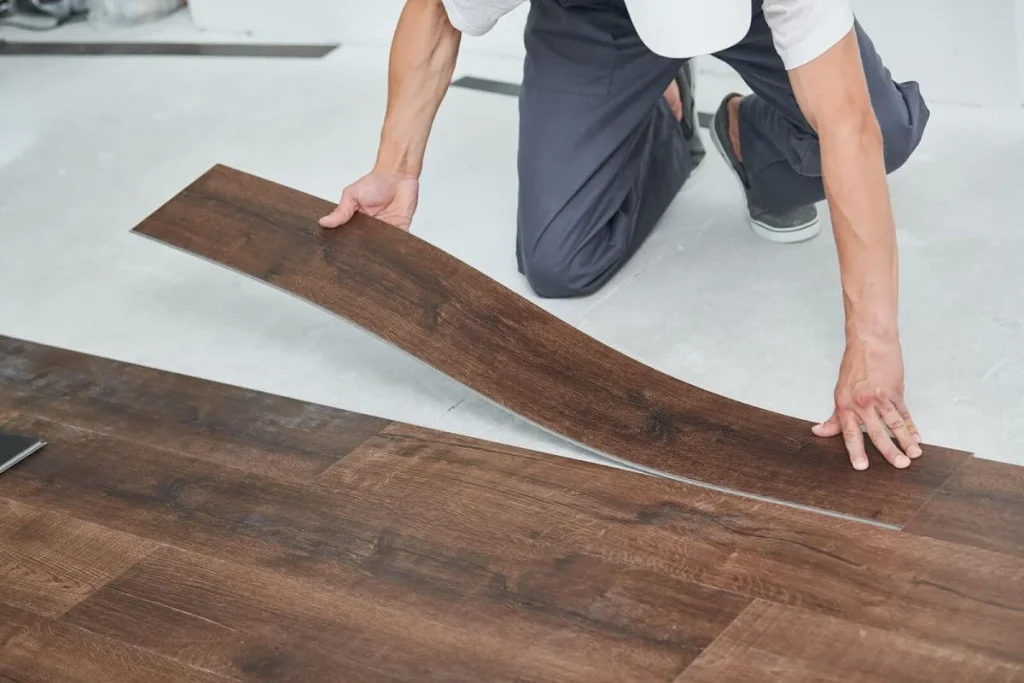
Installing vinyl flooring is relatively simple, and there are several methods to suit different types of vinyl products. Peel-and-stick vinyl is the easiest, as it comes with a pre-applied adhesive backing. The installer simply peels off the protective layer and presses the tile or plank onto the subfloor. This method is ideal for DIY projects and smaller areas.
Glue-down vinyl requires applying adhesive to the subfloor before laying down vinyl sheets or tiles. This method provides a more permanent and stable installation, especially in commercial areas with heavy traffic. It ensures that the vinyl remains firmly in place and reduces the risk of movement or curling over time.
Click-lock or floating vinyl planks are another popular installation option. The planks interlock without the need for glue, creating a floating floor over the subfloor. This method is relatively fast and clean, suitable for both DIY enthusiasts and professional installers. It also allows for easier replacement of damaged planks.
Subfloor preparation is crucial for successful vinyl installation. The subfloor must be clean, dry, smooth, and free from debris or moisture. Any imperfections can show through the vinyl or cause uneven wear. For sheet vinyl, seams must be carefully sealed to prevent water infiltration, especially in bathrooms or kitchens.
Professional installation ensures optimal results, especially for large areas or complex layouts. However, vinyl’s forgiving nature and modular designs make it one of the easiest flooring options for homeowners to install themselves, combining practicality with aesthetic versatility.
Maintenance and Cleaning of Vinyl Flooring
Maintaining vinyl flooring is straightforward, making it a favorite for busy households and commercial spaces. Regular cleaning starts with sweeping or vacuuming to remove dust, dirt, and debris. These particles can scratch the surface over time, so frequent cleaning is important, especially in high-traffic areas.
For deeper cleaning, use a damp mop with a mild detergent. Avoid using abrasive cleaners, waxes, or solvents, as they can damage the wear layer and reduce the floor’s longevity. Spills should be wiped immediately to prevent staining, though vinyl is naturally resistant to most liquids.
Vinyl flooring is also resistant to water, making it suitable for kitchens, bathrooms, and basements. However, excessive standing water should be avoided to prevent moisture seeping into seams or subfloor layers. Regular inspections for scratches or dents allow homeowners to address minor damages before they worsen.
Furniture pads are recommended to prevent scratches from chairs, tables, and other heavy objects. For luxury vinyl planks, textured finishes may require additional attention to ensure dirt does not accumulate in grooves. Using area rugs in entryways and high-traffic zones also protects the floor while enhancing interior decor.
Periodic maintenance includes checking edges and seams for lifting, resealing if necessary, and following manufacturer guidelines for long-term care. With proper care, vinyl flooring can retain its aesthetic appeal and durability for many years, providing a low-maintenance, cost-effective solution for modern interiors.
Vinyl Flooring vs. Other Flooring Options
Vinyl flooring is often compared to alternatives like hardwood, laminate, tile, and carpet. One of vinyl’s main advantages over hardwood is affordability and water resistance. While hardwood offers natural beauty and long-term value, it is expensive, prone to scratches, and sensitive to moisture. Vinyl can mimic wood’s appearance at a lower cost and with less maintenance.
Compared to laminate flooring, vinyl offers superior water resistance. Laminate can swell or warp if exposed to moisture, making vinyl a better option for kitchens, bathrooms, and basements. Vinyl also tends to feel softer underfoot than laminate, improving comfort.
When compared to ceramic or porcelain tiles, vinyl is lighter, warmer, and easier to install. Tiles require grouting and can crack under impact, while vinyl provides a more forgiving surface. Additionally, vinyl offers a quieter walking experience, unlike tiles that can be noisy.
Versus carpet, vinyl is more hygienic and easier to clean. Carpets can trap dust, allergens, and stains, while vinyl’s smooth surface allows for effortless cleaning. However, carpets provide insulation and softness that vinyl cannot fully replicate.
Overall, vinyl strikes a balance between aesthetics, durability, affordability, and ease of maintenance. Its versatility allows it to suit various spaces and purposes, often outperforming other flooring options in moisture-prone or high-traffic areas.
Popular Designs and Patterns
Vinyl flooring comes in a wide range of designs, patterns, and textures. Wood-look vinyl is particularly popular, with planks mimicking oak, maple, walnut, and other hardwood species. Advanced printing and embossing technologies create realistic grain patterns and textures that resemble natural wood.
Stone-look vinyl mimics materials such as marble, slate, and travertine, providing elegance without the high cost and maintenance of natural stone. Tiles with geometric patterns, abstract designs, or classic checkerboard styles are also available, allowing homeowners to create unique, personalized interiors.
Luxury vinyl planks may feature textured finishes, providing a tactile feel similar to real wood or stone. This enhances visual appeal and reduces the artificial look sometimes associated with vinyl. Color options range from natural tones to bold, modern shades, offering flexibility in design schemes.
Patterned vinyl tiles can create dynamic floor layouts, such as herringbone, chevron, or mosaic designs, ideal for kitchens, bathrooms, or entryways. Vinyl also allows mixing different textures and colors, creating striking contrasts and focal points within rooms.
Ultimately, the diversity of vinyl flooring designs allows it to complement both traditional and contemporary interiors. With realistic visuals, versatile patterns, and customizable layouts, vinyl flooring offers virtually limitless creative possibilities for enhancing interior spaces.
Conclusion
Vinyl flooring has become one of the most versatile and practical flooring options available today. Its combination of affordability, durability, water resistance, and aesthetic flexibility makes it suitable for almost any space, from homes to commercial buildings. With multiple types—sheet vinyl, tiles, and luxury vinyl planks—consumers can select solutions tailored to specific needs, whether it’s high-traffic areas, moisture-prone rooms, or stylish interiors.
While it has some limitations, such as susceptibility to scratches and environmental concerns, proper care and informed product selection can mitigate most issues. Its easy installation, low maintenance, and variety of designs ensure that vinyl flooring remains a competitive choice compared to hardwood, laminate, tile, or carpet.
From realistic wood and stone looks to modern geometric patterns, vinyl allows for creative interior design without sacrificing functionality. It also offers long-term cost-effectiveness due to low maintenance and durability, making it a wise investment for homeowners and business owners alike.
Ultimately, vinyl flooring combines practicality and style, providing a modern solution that adapts to evolving trends and interior needs. For anyone seeking an attractive, durable, and affordable flooring option, vinyl remains a top choice that balances aesthetics with performance.
The most important frequently asked questions about Vinyl Flooring
What types of vinyl flooring are there?
Luxury Vinyl Planks (LVP), Luxury Vinyl Tiles (LVT), and sheet vinyl.
How long does vinyl flooring last?
Typically 10–25 years, depending on quality and maintenance.
Can vinyl flooring be used in bathrooms and kitchens?
Yes, it handles moisture well.
Can vinyl flooring be a DIY project?
Yes, especially click-lock or peel-and-stick types.