
Choosing flooring is one of the most important decisions during any home renovation project. Flooring influences not only the visual appearance of a space but also comfort, maintenance effort, durability, and long-term functionality. Many homeowners begin their research by exploring local flooring availability, installation standards, and material performance in their specific environment.
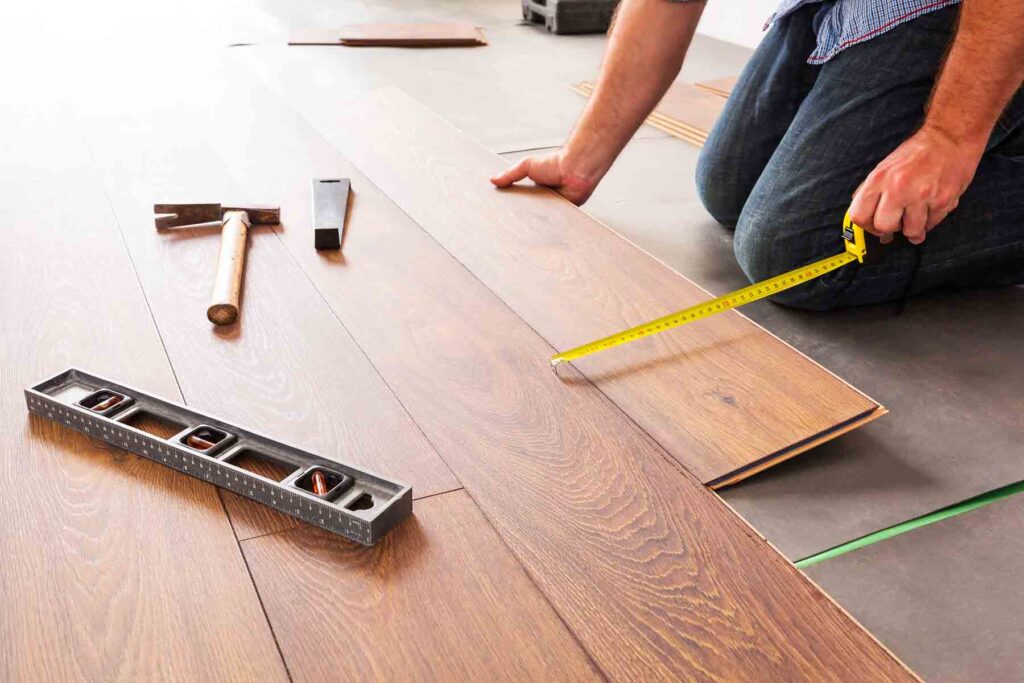
Understanding how local options, climate conditions, and subfloor structure interact with flooring materials helps homeowners make more informed choices. Instead of selecting based only on appearance, modern renovation planning focuses on performance, sustainability, and lifestyle compatibility. This article explores what local flooring availability really means for renovation planning and how it influences long-term home value and comfort.
How local flooring availability affects installation timelines and material selection decisions in residential projects
Local material availability plays a major role in renovation project scheduling. When materials are easily accessible, installation can begin faster, reducing delays caused by shipping or supply chain interruptions.
Searching for reliable local solutions often begins with researching options like flooring near me, which helps homeowners understand what materials, styles, and installation services are commonly available in their region.
Local availability affects:
- Delivery timeframes
- Installation labor expertise
- Climate-suitable material choices
- Replacement or repair convenience
- Warranty support and maintenance services
Additionally, local installers often have experience working with materials that perform well in regional environmental conditions, which reduces long-term risks like warping, expansion, or adhesive failure.
Key differences between modern engineered flooring materials and traditional solid surface flooring solutions explained
Traditional flooring materials such as hardwood and stone offer durability and classic aesthetics, but modern engineered flooring introduces advanced performance layers and improved stability.
Modern engineered flooring often includes:
- Multi-layer construction for strength and flexibility
- Protective wear layers for scratch and stain resistance
- Enhanced moisture resistance
- Easier installation systems
Traditional solid flooring advantages:
- Natural material authenticity
- Long lifespan when maintained properly
- Ability to refinish multiple times
Engineered flooring tends to perform better in environments with temperature and humidity fluctuations. It also offers more installation flexibility across different subfloor types.
How climate, humidity, and temperature changes impact flooring durability and maintenance requirements long term
Environmental conditions directly affect flooring performance. High humidity levels can cause expansion in natural materials, while extremely dry conditions can lead to shrinking or cracking.
For example, advanced materials such as spc flooring abu dhabi are often chosen in environments with high humidity because they are designed to resist moisture-related expansion and contraction.
Key environmental considerations include:
- Seasonal humidity fluctuations
- Air conditioning and heating impact
- Direct sunlight exposure
- Indoor moisture sources like kitchens and bathrooms
Choosing materials designed for local environmental conditions helps extend flooring lifespan and reduces maintenance frequency.
Understanding the structural requirements before installing new flooring over concrete, tile, or wooden subfloors
Subfloor preparation is essential for successful flooring installation. Even high-quality materials can fail if installed over uneven or damaged subfloors.
Important structural preparation steps include:
- Checking moisture levels in concrete subfloors
- Leveling uneven surfaces
- Repairing cracks or structural damage
- Removing debris and dust
- Installing moisture barriers if required
Different flooring materials have specific subfloor requirements. Some require underlayment for sound insulation or moisture protection, while others can be installed directly on prepared surfaces.
Common mistakes homeowners make when selecting flooring types without understanding long-term usage needs
Many homeowners choose flooring based only on appearance without considering lifestyle factors. This can lead to premature wear, frequent repairs, or unexpected maintenance costs.
Common mistakes include:
- Choosing soft materials for high-traffic areas
- Ignoring water resistance requirements in kitchens or bathrooms
- Selecting complex patterns without considering installation difficulty
- Overlooking cleaning and maintenance needs
Planning flooring based on daily usage patterns helps avoid future replacement costs and ensures long-term satisfaction.
How flooring layout patterns influence perceived room size, lighting reflection, and interior design aesthetics
Flooring layout patterns can visually transform spaces. Certain patterns make rooms appear larger, while others add decorative focal points.
For example, decorative pattern layouts such as Herringbone flooring are often used to create visual movement and design sophistication in living areas and hallways.
Pattern effects include:
- Diagonal layouts create the illusion of wider spaces
- Linear layouts enhance room length perception
- Patterned designs add decorative emphasis
- Reflective surfaces improve lighting distribution
Choosing the right layout pattern helps maximize both aesthetic appeal and functional spatial perception.
Environmental sustainability factors to evaluate when selecting modern flooring materials for homes and offices
Sustainability is becoming a key factor in flooring selection. Modern materials are increasingly designed to reduce environmental impact while maintaining high performance.
Sustainable flooring considerations include:
- Recyclable material composition
- Low emission manufacturing processes
- Indoor air quality certification
- Long lifespan to reduce replacement waste
- Responsible sourcing practices
Eco-friendly flooring supports healthier indoor environments and reduces overall environmental footprint over the building’s lifecycle.
Conclusion
Understanding local flooring options involves more than simply choosing a material or color. It requires evaluating environmental conditions, installation requirements, structural preparation, and long-term maintenance expectations. Modern flooring technology offers solutions designed for durability, sustainability, and lifestyle compatibility, making informed selection more important than ever.
Careful planning ensures flooring enhances both the beauty and functionality of living spaces for many years.
FAQs
How do I know which flooring type is best for heavy foot traffic areas?
Look for materials with strong wear layers, scratch resistance, and structural stability. Engineered and rigid core materials often perform well in high-traffic zones.
What subfloor preparation is required before installing new flooring materials?
Subfloors should be clean, level, dry, and structurally stable. Moisture testing and leveling are often required before installation begins.
How does humidity affect different types of flooring materials over time?
Humidity can cause expansion in natural materials and adhesive weakening in poorly installed flooring. Moisture-resistant materials perform better in humid environments.
What is the lifespan difference between various modern flooring options?
Lifespan varies based on material quality, installation accuracy, and maintenance. Many modern engineered flooring options are designed for decades of use.
Can flooring choice impact indoor air quality or home comfort levels?
Yes. Low-emission flooring materials can improve indoor air quality, while insulated flooring can improve thermal comfort and reduce noise levels.