
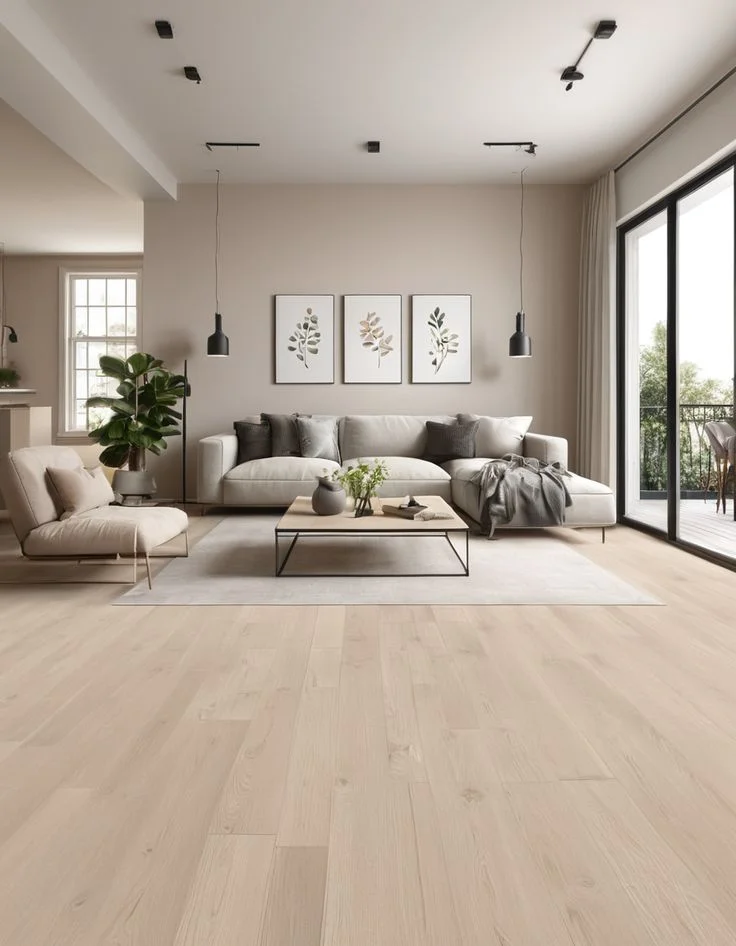
Floor surfaces are one of the most influential design and functional elements in any interior environment. While walls, ceilings, and furniture contribute to aesthetics, the floor forms the foundation that affects comfort, acoustics, safety, and durability. From residential homes to large commercial spaces, floor material selection can dramatically influence how a space looks, feels, and performs over time.
Today’s interior construction industry offers a wide range of surface technologies designed to meet specific environmental, structural, and lifestyle requirements. Understanding how different materials interact with interior conditions helps homeowners, architects, and designers create spaces that are both functional and visually balanced. Choosing the right surface is not just about appearance — it is about long-term performance and usability.
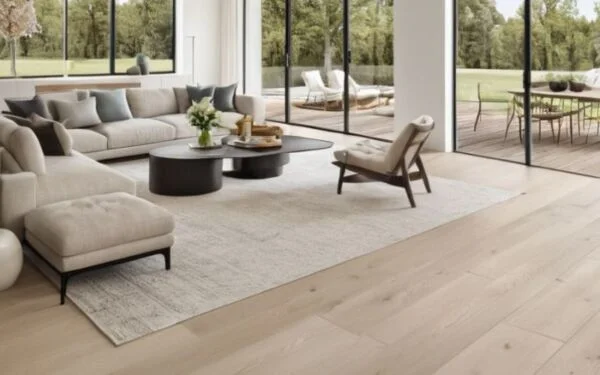
The role of floor surfaces in influencing interior design aesthetics, spatial perception, and overall architectural harmony in living spaces
Floor surfaces create visual continuity and help define the character of a space. The texture, color, and finish of a surface can influence how large or small a room appears and how light interacts with the environment.
For example:
- Light-colored surfaces can make smaller rooms feel larger
- Matte finishes create a softer, more natural look
- Glossy finishes reflect light and create a modern aesthetic
Many modern interior projects rely on versatile materials like flooring solutions because they offer consistent patterns and design flexibility. This allows designers to maintain visual harmony across open-plan layouts.
Floor patterns can also guide movement. Linear patterns can make narrow spaces appear longer, while tile patterns can define functional zones in open interiors.
How flooring materials impact indoor air quality, acoustic comfort, and thermal insulation performance in different climate conditions
Floor surfaces contribute significantly to indoor environmental quality. Material density, composition, and surface coatings can influence air quality, sound absorption, and heat retention.
Indoor Air Quality
Low-emission materials help reduce indoor pollutants. Non-porous surfaces also prevent dust, allergens, and bacteria buildup.
Acoustic Comfort
Dense core materials help reduce sound transmission between floors. This is especially useful in:
- Apartment buildings
- Hotels
- Office environments
Thermal Insulation
Some floor materials retain heat better, improving energy efficiency and comfort in colder climates. In warmer climates, heat-resistant surfaces help maintain cooler indoor temperatures.
Selecting the right material based on climate and building design can significantly improve interior comfort.
Understanding the differences between rigid core, stone composite, and mineral-based floor construction technologies
Modern floor construction technology has evolved beyond traditional wood and ceramic materials. Engineered solutions offer improved strength, stability, and moisture resistance.
Rigid core surfaces are designed with multi-layer technology to prevent expansion or contraction due to temperature changes. Stone composite materials provide higher density and structural stability.
Many developers explore options from an spc flooring supplier in dubai when evaluating rigid core technology because of its structural strength and resistance to heavy loads.
Mineral-based surfaces often provide enhanced durability and are commonly used in high-traffic commercial spaces. Each technology serves different structural and environmental requirements.
How lifestyle factors such as pets, children, and heavy furniture affect long-term flooring performance and wear patterns
Lifestyle has a direct impact on floor durability. High activity levels, pets, and furniture movement all contribute to surface wear over time.
Important lifestyle considerations include:
Pets
- Claw scratches can damage soft surfaces
- Moisture from accidents can affect porous materials
Children
- Toy impact can cause dents or scratches
- Spills can stain absorbent surfaces
Furniture
- Heavy items can create pressure marks
- Movement can scratch surface finishes
Choosing materials designed for impact resistance and scratch protection helps maintain long-term performance.
Evaluating slip resistance, safety ratings, and comfort levels across various flooring material technologies and finishes
Safety is an important factor when selecting interior surfaces. Slip resistance varies depending on surface texture and coating technology.
Important safety features include:
- Textured surfaces for wet areas
- Anti-slip coatings for commercial spaces
- Cushion-backed materials for improved walking comfort
Comfort is also influenced by flexibility. Slightly flexible surfaces reduce fatigue when standing for long periods, making them suitable for kitchens or workplaces.
Safety ratings are often tested under controlled conditions to measure friction levels and slip resistance performance.
How modern flooring manufacturing innovations improve durability while reducing environmental impact and material waste
Manufacturing technologies have advanced to reduce environmental impact while improving product durability. Many modern production processes focus on sustainability.
Key innovations include:
- Recycled material integration
- Reduced manufacturing emissions
- Longer product lifespan reducing replacement frequency
Some designers compare modern synthetic options with decorative stone surfaces such as terrazo tiles when balancing durability with environmental considerations and long lifecycle performance.
Sustainable manufacturing helps reduce environmental impact while maintaining performance standards.
Long-term maintenance considerations and how daily usage habits influence surface appearance and structural stability
Daily habits significantly influence how long a floor surface maintains its original appearance and strength.
Recommended Long-Term Maintenance Habits
- Clean spills immediately to prevent staining
- Use protective pads under furniture
- Avoid dragging heavy objects across surfaces
- Maintain consistent indoor humidity levels
Cleaning Best Practices
- Sweep or vacuum regularly
- Use damp mopping instead of excessive water
- Avoid harsh chemical cleaners
- Follow manufacturer cleaning guidelines
Consistent maintenance prevents premature wear and maintains structural stability.
Conclusion
Floor surfaces play a major role in shaping interior performance, comfort, and visual appeal. Beyond aesthetics, material choice influences air quality, sound insulation, safety, and long-term durability. Modern engineered materials provide advanced solutions that balance design flexibility with structural performance.
By understanding construction technologies, environmental interactions, lifestyle effects, and maintenance requirements, property owners and designers can make informed decisions that support long-term interior performance and sustainability.
FAQs
What factors should be considered when choosing interior flooring materials?
Key factors include durability, moisture resistance, safety ratings, maintenance needs, and compatibility with the building environment.
How does flooring contribute to home insulation and energy efficiency?
Certain materials help retain indoor heat or resist heat transfer, improving energy efficiency and indoor comfort levels.
What makes rigid core flooring different from traditional vinyl materials?
Rigid core materials use stronger internal layers that provide better dimensional stability and resistance to temperature fluctuations.
How do flooring textures influence slip resistance and safety?
Textured surfaces increase friction, reducing slip risks, especially in wet or high-traffic areas.
What maintenance habits help extend flooring lifespan significantly?
Regular cleaning, moisture control, protective furniture padding, and avoiding abrasive cleaning tools help extend surface lifespan.