Luxury vinyl flooring has become one of the most widely discussed modern flooring materials because it combines durability, water resistance, and aesthetic versatility. Unlike traditional vinyl sheets from decades ago, today’s advanced vinyl products are engineered with multiple protective and performance layers designed to mimic natural materials while offering improved functionality.
Homeowners, property managers, and designers often consider this flooring type when looking for solutions that perform well in high-traffic environments, moisture-prone areas, and spaces requiring easy maintenance. Understanding how it works—from structure to installation—helps users make informed decisions about flooring materials for different environments and usage demands.
Understanding the full manufacturing process behind modern luxury vinyl flooring materials and structure layers
Modern vinyl flooring is produced using advanced layering technology. Each layer serves a specific purpose, combining to create a surface that is visually appealing and highly durable.
Typical layers include:
- Wear Layer – Protects against scratches, stains, and fading
- Printed Design Layer – Replicates wood, stone, or tile appearance
- Core Layer – Provides stability and structural strength
- Backing Layer – Adds cushioning and moisture protection
The layered construction is what makes luxury vinyl flooring capable of performing well in both residential and light commercial spaces. Manufacturers use digital imaging technology to create realistic surface textures that visually match natural materials while maintaining synthetic durability.
Production also involves heat pressing and coating technologies that enhance scratch resistance and color retention. These innovations allow vinyl flooring to maintain appearance even under heavy foot traffic.
Key differences between rigid core, flexible core, and hybrid vinyl flooring construction types explained in depth
Vinyl flooring is not a single uniform product category. Several structural types exist, each offering different performance advantages.
Rigid Core Vinyl
Rigid core options use dense internal materials that:
- Resist dents from heavy furniture
- Improve dimensional stability
- Provide better sound absorption
Flexible Core Vinyl
Flexible vinyl flooring:
- Adapts easily to minor subfloor imperfections
- Often costs less to produce
- Works well in low-impact residential spaces
Hybrid Vinyl Flooring
Hybrid vinyl blends rigid and flexible characteristics, offering:
- Enhanced moisture resistance
- Strong structural integrity
- Comfortable walking surface
Understanding these differences helps determine which construction type works best for specific environmental and usage conditions.
How moisture resistance technology improves durability and performance in different climate conditions
Moisture resistance is one of vinyl flooring’s most important advantages. Unlike natural wood, vinyl does not swell or warp when exposed to humidity or water.
Modern moisture protection technologies include:
- Waterproof core structures
- Sealed edge locking systems
- Mold-resistant backing materials
These features make vinyl flooring suitable for environments such as basements, kitchens, and workspaces. In areas like vehicle storage spaces, moisture resistance is essential, which is why materials like garage flooring are often compared with vinyl solutions for durability and water resistance performance.
Climate fluctuations can affect many flooring materials, but vinyl typically maintains structural integrity across temperature and humidity changes when properly installed.
Environmental impact, recyclability factors, and sustainability considerations of modern vinyl flooring solutions
Sustainability is becoming a major factor in building material selection. Modern vinyl flooring manufacturing has improved significantly in terms of environmental responsibility.
Key sustainability developments include:
- Lower emission manufacturing processes
- Phthalate-free material options
- Recyclable production waste programs
Some manufacturers are also working toward closed-loop recycling systems. However, sustainability varies depending on production standards and raw material sourcing.
Consumers evaluating environmental impact often consider:
- Manufacturing certifications
- Indoor air quality standards
- Product lifespan and replacement frequency
Longer-lasting flooring can indirectly support sustainability by reducing material replacement cycles over time.
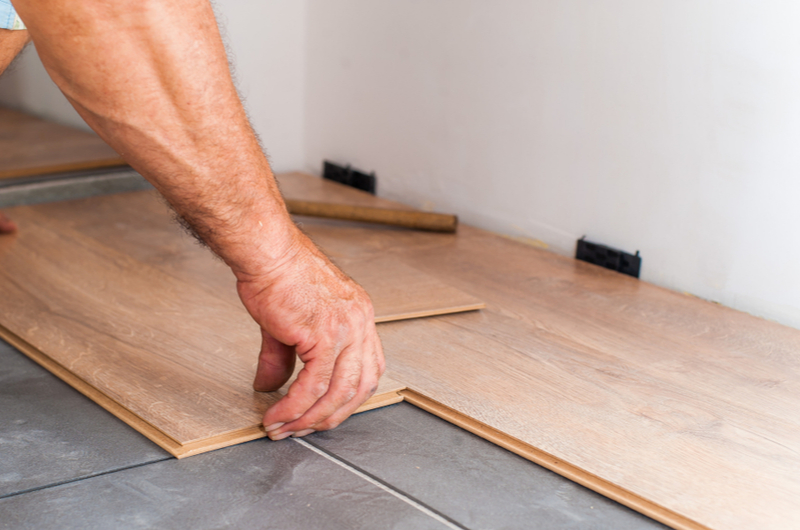
Common installation methods including click lock, glue down, and loose lay systems and when each is suitable
Installation type significantly affects flooring performance and longevity.
Click Lock Installation
- Interlocking planks snap together
- Faster installation process
- Minimal adhesive required
Glue Down Installation
- Strong bond with subfloor
- Ideal for high traffic commercial spaces
- Reduces movement and expansion
Loose Lay Installation
- Uses friction backing
- Quick replacement capability
- Works well in temporary or modular layouts
Each method requires proper subfloor preparation, including cleaning, leveling, and moisture testing. Choosing the correct installation system helps prevent long-term structural issues.
Maintenance routines, cleaning methods, and long term care practices for extending flooring lifespan significantly
Maintaining vinyl flooring is relatively simple compared to natural materials. However, proper care still plays a major role in longevity.
Recommended maintenance practices include:
- Sweeping or vacuuming regularly to remove debris
- Using pH-neutral floor cleaners
- Avoiding abrasive scrubbers
- Using protective furniture pads
Long-term care also involves controlling moisture exposure and maintaining indoor climate stability. While vinyl flooring is moisture resistant, excessive standing water should still be avoided.
Many property owners choose materials like PVC flooring because of their low maintenance requirements and strong resistance to daily wear conditions.
Comparing vinyl flooring performance against natural wood, laminate, and tile in residential environments
When compared to other flooring types, vinyl offers a balanced performance profile.
Compared to Natural Wood
- More moisture resistant
- Requires less maintenance
- Usually more scratch resistant
Compared to Laminate
- Better water resistance
- Often quieter underfoot
- More flexible installation options
Compared to Tile
- Warmer walking surface
- Faster installation
- More forgiving under impact
Each flooring type has strengths, but vinyl often stands out for multi-environment usability and ease of maintenance.
Conclusion
Luxury vinyl flooring represents a modern flooring solution designed to balance appearance, durability, and functionality. Through multi-layer construction, moisture resistance technology, and flexible installation methods, it offers performance benefits that suit a wide variety of residential environments.
Understanding construction types, maintenance requirements, and environmental considerations allows users to select flooring materials that match both functional needs and long-term durability expectations.
FAQs
What makes vinyl flooring different from traditional hardwood flooring?
Vinyl flooring is synthetic and moisture resistant, while hardwood is natural and sensitive to humidity changes. Vinyl typically requires less maintenance and is easier to install.
How long does high quality vinyl flooring typically last in homes?
High-quality vinyl flooring can last 10–25 years depending on wear layer thickness, installation quality, and maintenance practices.
Is vinyl flooring safe for homes with children and pets?
Most modern vinyl flooring products are manufactured to meet indoor air quality standards and are considered safe for residential use.
Can vinyl flooring be installed over existing floor surfaces?
In many cases, yes. However, the existing surface must be level, clean, and structurally sound to ensure proper installation.
How does humidity affect vinyl flooring performance over time?
Vinyl flooring generally resists humidity damage, but extreme conditions can still affect adhesive performance or subfloor conditions.
What are the main layers that make up vinyl flooring structure?
Typical layers include the wear layer, design layer, core layer, and backing layer, each contributing to durability and performance.