
Choosing flooring is one of the most important decisions in any construction or renovation project. Flooring affects comfort, durability, aesthetics, maintenance requirements, and even indoor environmental quality. Many people underestimate how complex flooring selection can be until they begin comparing materials, installation methods, and performance characteristics.
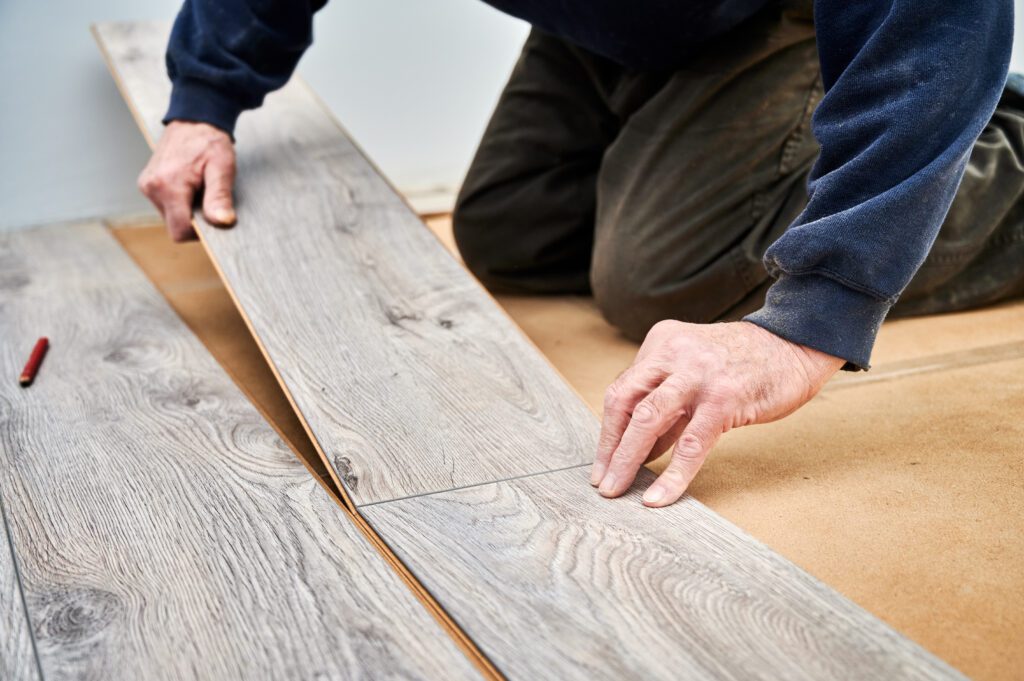
Before researching options or visiting physical showrooms, it helps to understand how different flooring types perform under real-world conditions. Climate, building structure, foot traffic, and intended room use all influence which flooring materials work best. Having a strong knowledge foundation ensures better long-term results and prevents costly replacement or repair later.
How flooring materials differ in durability, maintenance, and performance across environments and climates
Different flooring materials respond differently to temperature changes, moisture exposure, and physical stress. For example, stone and ceramic tile often perform well in hot climates, while engineered materials may perform better in regions with humidity fluctuations.
Durability differences typically depend on:
- Surface hardness and scratch resistance
- Moisture absorption rates
- Expansion and contraction behavior
- Resistance to chemical exposure
- Structural flexibility under pressure
Industrial environments often use specialized coatings or resin-based surfaces because they resist heavy loads and chemical spills. In facilities that require seamless surfaces, many professionals research materials like epoxy floors due to their resistance to abrasion and ease of maintenance.
Climate also plays a major role. In humid areas, flooring must resist swelling and microbial growth. In dry climates, materials must resist cracking and separation from the subfloor. Understanding these environmental influences can significantly extend flooring lifespan.
Key factors to evaluate when comparing flooring solutions for residential, commercial, and industrial spaces
Every building type has different flooring performance priorities. Residential flooring often prioritizes comfort and appearance, while commercial spaces focus on durability and maintenance efficiency. Industrial spaces prioritize load-bearing strength and chemical resistance.
Key evaluation factors include:
Residential priorities
- Noise reduction
- Comfort underfoot
- Visual consistency
- Ease of cleaning
Commercial priorities
- Wear resistance
- Slip resistance
- Maintenance downtime
- Long-term cost efficiency
Industrial priorities
- Chemical resistance
- Impact resistance
- Seamless surface requirements
- Load-bearing strength
Understanding these differences helps narrow material choices. Researching materials before visiting a physical flooring store allows you to ask better technical questions and compare solutions more effectively.
Understanding subfloor preparation requirements and how they impact flooring lifespan and installation success
Subfloor preparation is one of the most overlooked parts of flooring installation. Even the highest-quality flooring can fail if installed on an uneven or unstable subfloor.
Proper preparation typically includes:
- Removing old adhesive or debris
- Leveling uneven surfaces
- Repairing cracks or moisture damage
- Testing moisture levels
- Applying primers or moisture barriers
An uneven subfloor can cause premature wear, cracking, or separation between flooring layers. Moisture problems can lead to mold growth or adhesive failure.
Professional installers often conduct moisture testing before installation. Ignoring moisture levels is one of the most common causes of flooring failure, especially in basements and ground-floor installations.
Environmental and health considerations when selecting modern flooring materials for indoor air quality
Indoor air quality is strongly influenced by building materials, including flooring. Some materials release volatile organic compounds (VOCs), especially shortly after installation.
Health-conscious flooring selection focuses on:
- Low VOC emissions
- Non-toxic adhesives
- Mold-resistant materials
- Easy-to-clean surfaces
- Anti-bacterial surface coatings
Modern flooring manufacturing increasingly focuses on sustainability and indoor safety. Some materials now include recycled content or use low-emission production processes.
For environments like hospitals, schools, or homes with sensitive occupants, flooring choices can directly impact long-term health outcomes. Researching environmental certifications and material safety data can help guide decisions.
Common installation mistakes homeowners make and how professional installers avoid long-term structural issues
Installation mistakes can dramatically reduce flooring lifespan. Many problems are not immediately visible but develop over months or years.
Common mistakes include:
- Installing flooring over damp subfloors
- Skipping expansion gap requirements
- Using incorrect adhesives
- Ignoring manufacturer installation instructions
- Poor seam sealing
Professional installers follow strict preparation and installation standards. They also consider building movement, seasonal expansion, and load distribution.
Proper installation ensures structural stability and maintains manufacturer warranty requirements. Investing time in correct installation prevents costly repairs later.
How moisture levels and humidity affect different flooring materials and long-term structural stability
Moisture is one of the most destructive forces affecting flooring. Even small moisture fluctuations can cause expansion, contraction, or adhesive breakdown.
Moisture impact varies by material:
- Wood expands and contracts with humidity
- Laminate can swell if exposed to water
- Concrete can release moisture vapor
- Resin-based systems resist moisture penetration
In high-moisture environments like garages or industrial areas, some property owners consider seamless solutions such as epoxy resin flooring because they create protective surface barriers.
Moisture testing tools help determine whether subfloors are safe for installation. Long-term stability depends heavily on controlling moisture exposure.
The role of surface finishing technologies in improving scratch resistance and floor longevity over time
Surface finishing technology has advanced significantly in recent years. Protective layers can now improve scratch resistance, stain resistance, and UV protection.
Modern finishing technologies include:
- Ceramic bead coatings
- UV-cured protective layers
- Multi-layer wear surfaces
- Anti-slip texturing
- Anti-microbial treatments
These finishing layers extend flooring lifespan, especially in high-traffic environments. They also reduce maintenance needs and improve surface appearance over time.
Surface finishing is particularly important in commercial environments where flooring experiences constant wear from foot traffic, equipment movement, and cleaning chemicals.
Conclusion
Selecting flooring requires more than comparing colors or textures. Performance characteristics, environmental conditions, installation quality, and maintenance requirements all influence long-term success. Understanding how materials behave under different conditions helps prevent premature failure and ensures safer, more durable flooring systems.
By researching materials, subfloor requirements, and environmental factors before making decisions, property owners and builders can significantly improve flooring performance and lifespan.
FAQs
What factors should I research before choosing flooring materials?
You should research durability, moisture resistance, maintenance needs, installation complexity, and environmental safety.
How does climate affect flooring material performance over time?
Climate affects expansion, contraction, moisture exposure, and long-term structural stability of flooring materials.
What preparation is required before installing new flooring?
Preparation usually includes cleaning, leveling, moisture testing, crack repair, and applying primers if required.
How do I compare durability between different flooring types?
Compare wear layers, hardness ratings, chemical resistance, moisture resistance, and load-bearing capability.
What maintenance routines extend flooring lifespan the most?
Regular cleaning, moisture control, proper sealing, and avoiding abrasive cleaning tools help maximize lifespan.