
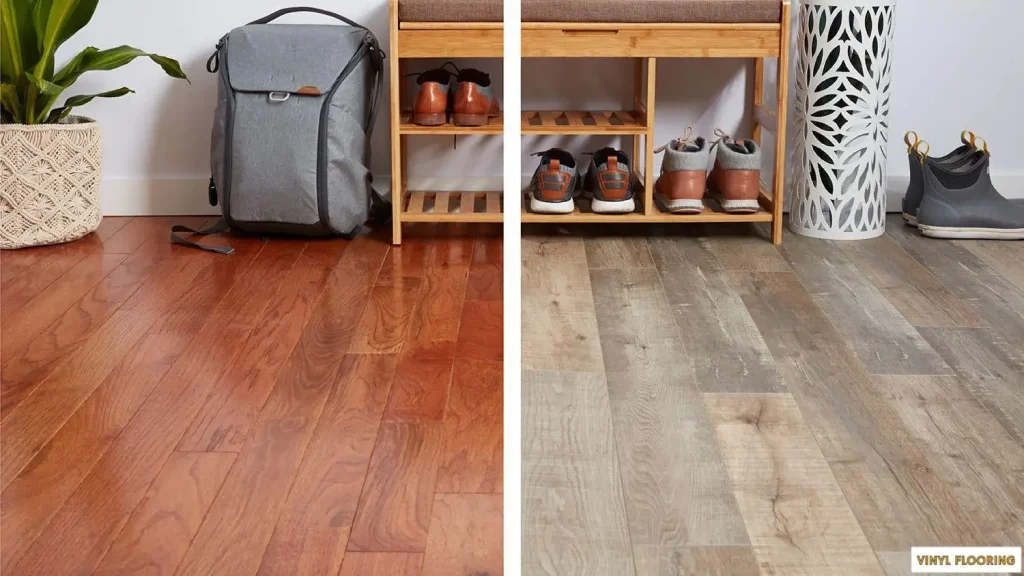
Laminate wooden flooring is one of the most popular choices for modern homes and commercial spaces. It combines the aesthetic appeal of natural wood with enhanced durability and affordability. Unlike solid hardwood, laminate flooring is made of multiple layers fused together, typically including a wear layer, a photographic layer that mimics wood, a core layer for stability, and a backing layer for moisture resistance. This layered construction ensures that laminate flooring is resistant to scratches, dents, and fading, making it ideal for high-traffic areas.
One of the most appealing aspects of laminate flooring is its versatility. It can replicate the look of expensive hardwood varieties such as oak, walnut, or maple at a fraction of the cost. Homeowners can achieve a luxurious wooden appearance without the maintenance requirements associated with natural wood. Laminate is also environmentally friendly because it uses less timber compared to traditional hardwood flooring. Moreover, installation is simplified with click-lock systems, allowing for DIY projects without professional assistance.
In addition, laminate flooring is highly adaptable to various interior styles, whether modern, rustic, or contemporary. It is compatible with underfloor heating systems and can be installed over most existing surfaces, including concrete, tiles, and vinyl. With its combination of durability, affordability, and aesthetic appeal, laminate wooden flooring has become a top choice for those seeking a practical yet elegant flooring solution.
Which is a better flooring option? Laminate or wooden?
When it comes to making a selection for the flooring, there is this common dilemma as per which one confuses between the solid wood flooring and laminate flooring. Although there are advantages and disadvantages attached with both the flooring solutions, finding the better solution turns out to be quite problematic.
For more than a decade now, professionals in the flooring industry have been concerned about helping people choose between laminate and wooden flooring. Some of the differences are as below;
- Laminate flooring has been considered as a stronger substitute to the wooden flooring and today is enriched with vast improvements. As compared to the wooden flooring, laminate has turned out to be an increasingly natural flooring solution, being sold in a variety of styles and colors.
- The price difference between the two is a major factor that helps in deciding which solution to go for. Ideally the difference between the prices is significant as the price quoted for the wooden flooring differs as per the type of tree wood used in the production along with the wood grade, size, and thickness. Comparatively, laminate is a cheaper option as it is not a natural wood but appears like.
- Durability of the two types of floorings is again a factor that can help decide which flooring solution to go for. When it’s the wood flooring, it is scratch- resistant but when the heavy furniture is dragged over it along with abuse of the heavy traffic, the wear and tear of the flooring is a must. On the other hand, the durability of laminate flooring makes it an ideal option for everyone as the majority manufacturers today add preventive measures . Additionally this cannot be sanded while the wood can be.
Are you looking for an effective flooring solution that can help win the hearts of everyone visiting the property? Choosing to go with the best option can help improve the overall appearance of the house. When it is about the realistic appearance of the wood, you can always go with either option as the stunning details, natural grains, richness of the color, and a lot more that helps add value.
For years, laminate flooring has been gaining popularity. Its’ increasing natural appearance along with the charm of the real wood it carries makes it a beautiful option for everyone. If you reside in a heavy traffic area and want to have it repaired occasionally to let the flooring last longer than the expected time period, it is better to make the right selection. Where solid wood can be repaired via sanding the imperfections and refinishing, laminate turns out to be an easier option. Professionals just change the individual piece that is damaged or want to have wear and tear.
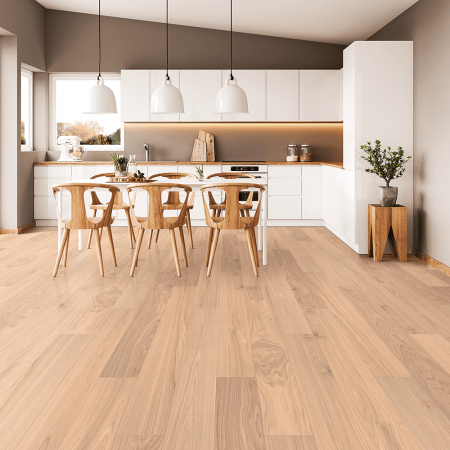
Advantages of Laminate Wooden Flooring
Laminate wooden flooring offers numerous benefits that make it a preferred choice over traditional hardwood or other types of flooring. One of the primary advantages is cost-effectiveness. Laminate flooring can achieve the look of real wood without the high price tag, allowing homeowners to invest in premium designs without overspending.
Durability is another key benefit. Laminate flooring is resistant to scratches, stains, and fading, which makes it suitable for households with children or pets. Unlike solid wood, laminate is less prone to warping or expanding due to humidity changes, making it ideal for regions with fluctuating climates.
Maintenance is also easier compared to real wood. Laminate floors can be cleaned with simple sweeping and mopping, without requiring special oils or waxes. Additionally, the installation process is straightforward, often using a click-lock system that eliminates the need for glue or nails.
Aesthetic versatility is another major advantage. With advanced printing technology, laminate floors can closely mimic the appearance of natural wood, stone, or ceramic, providing a wide range of design options. Some laminates even feature textured surfaces to replicate the natural grain and feel of wood.
Finally, laminate flooring is eco-friendly. It uses less natural wood and can often be recycled, reducing environmental impact. Its combination of beauty, durability, affordability, and low maintenance makes laminate wooden flooring a highly attractive flooring solution for both residential and commercial spaces.
Types of Laminate Wooden Flooring
Laminate wooden flooring comes in several types, each designed to meet specific needs and preferences. The most common type is the direct pressure laminate (DPL), which is composed of a single layer of fiberboard fused with a decorative layer. DPL is typically thinner and more affordable, making it suitable for residential use.
Another popular type is the high-pressure laminate (HPL), which is thicker and more durable than DPL. HPL is often used in commercial spaces where high traffic and heavy furniture demand stronger performance. Its enhanced resistance to scratches and moisture makes it a long-lasting flooring option.
Water-resistant laminate is a newer innovation, designed to withstand spills and damp conditions without warping. This type is ideal for kitchens, bathrooms, and basements. Some water-resistant laminates use a waterproof core and specialized locking mechanisms to prevent moisture from seeping through the seams.
Additionally, laminate flooring varies in texture and finish. Options include smooth finishes that resemble polished hardwood, embossed finishes that mimic the natural grain of wood, and hand-scraped finishes for a rustic appearance. Color variations range from light shades like maple and ash to darker tones like walnut and mahogany.
Choosing the right type depends on the intended use, budget, and desired aesthetic. Each type of laminate wooden flooring offers a balance of durability, appearance, and functionality, ensuring homeowners can find the perfect fit for any room.
Installation Process for Laminate Wooden Flooring
Installing laminate wooden flooring is relatively straightforward compared to traditional hardwood. One of the main methods is the floating floor system, where planks are locked together without being nailed or glued to the subfloor. This makes installation faster and suitable for DIY enthusiasts.
The first step involves preparing the subfloor, ensuring it is clean, dry, and level. Uneven surfaces can lead to gaps or damage over time. A moisture barrier or underlayment is often added to protect against dampness and provide sound insulation.
Next, planks are connected using the click-lock mechanism, which snaps boards together easily. Cutting may be required to fit the edges of the room, using a saw or laminate cutter. The installation should leave a small expansion gap along the walls to allow for natural expansion and contraction due to temperature changes.
After all planks are laid, baseboards or molding are installed to cover expansion gaps and give a finished look. The entire process typically takes less time than installing hardwood or tile, making laminate flooring a convenient option for renovations or new constructions.
Proper installation ensures long-lasting performance, withstanding daily wear and tear while maintaining its aesthetic appeal. With the right tools and preparation, even homeowners without professional experience can successfully install laminate wooden flooring.
Maintenance and Cleaning Tips
Laminate wooden flooring is low-maintenance compared to natural wood, but proper care ensures longevity. Regular cleaning is crucial to prevent dirt and debris from scratching the surface. Sweeping or vacuuming with a soft brush attachment is recommended to remove dust and grit.
For deeper cleaning, use a damp mop with a mild cleaning solution specifically designed for laminate flooring. Avoid excessive water, as standing moisture can seep into seams and damage the core layer. Spills should be wiped immediately to prevent staining or warping.
Furniture should be moved carefully, using felt pads under legs to prevent scratches. Avoid dragging heavy items across the floor. Rugs or mats at entrances help reduce dirt accumulation and protect high-traffic areas.
Polishing or waxing is unnecessary, as laminate floors have a protective wear layer. However, periodic inspections are recommended to check for damaged planks or loose seams. Prompt replacement of damaged boards helps maintain the overall integrity and appearance.
By following these simple maintenance tips, laminate wooden flooring can retain its beauty and durability for many years, providing an attractive and practical flooring solution for any space.
Laminate Wooden Flooring vs. Hardwood Flooring
Laminate and hardwood flooring share similar aesthetics, but they differ in composition, cost, and maintenance. Hardwood is made from solid wood, offering natural beauty and long-term value. However, it is expensive and prone to scratches, dents, and moisture damage.
Laminate flooring, on the other hand, consists of composite layers with a photographic wood design. It is more affordable, easier to install, and highly resistant to wear. While it may not offer the same authentic feel as solid wood, modern laminates mimic grain and texture very convincingly.
Maintenance is another differentiating factor. Hardwood requires periodic sanding, polishing, and careful cleaning, whereas laminate only needs regular sweeping and damp mopping. Laminate’s moisture resistance also makes it suitable for areas where hardwood might warp.
Additionally, laminate flooring offers more design variety, including colors and textures that may not be available in natural wood. It is ideal for DIY installations due to the click-lock system, whereas hardwood installation often requires professional expertise.
Choosing between laminate and hardwood depends on budget, lifestyle, and room usage. For high-traffic or moisture-prone areas, laminate flooring provides a practical, low-maintenance solution without compromising style.
Popular Styles and Designs
Laminate wooden flooring comes in a wide range of styles to suit different interior designs. Traditional wood-look laminates emulate classic hardwood types like oak, cherry, or walnut. These are ideal for creating a warm and timeless look in living rooms and bedrooms.
Modern designs include grey and whitewashed laminates, which are popular in minimalist or Scandinavian-inspired interiors. These shades create a bright, airy feel and complement contemporary furniture.
Textured laminates offer embossed finishes that replicate natural wood grain, knots, or hand-scraped effects. These textures enhance realism, providing both visual appeal and tactile satisfaction underfoot.
Some laminates feature plank widths and lengths that vary to mimic authentic hardwood layouts. Wide planks create a spacious, luxurious appearance, while narrow planks suit traditional designs.
Additionally, laminate can imitate exotic wood types that are rare or expensive, allowing homeowners to achieve a unique aesthetic without the high cost. The combination of realistic visuals, variety in colors and textures, and affordability makes laminate wooden flooring a versatile choice for any interior.
Conclusion
Laminate wooden flooring combines style, durability, and affordability, making it a versatile option for any interior. Its easy installation, low maintenance, and wide range of designs allow homeowners to achieve the look of natural wood without the associated costs and upkeep. With advancements in water resistance, textures, and environmental sustainability, laminate flooring is suitable for almost any space, from living rooms and kitchens to offices and commercial areas. By choosing the right type, installing it correctly, and maintaining it properly, laminate wooden flooring can provide lasting beauty, comfort, and practicality for years, making it a smart investment for modern living.
The most important frequently asked questions about Flooring
What types of flooring are available?
Hardwood, laminate, vinyl, tile, carpet, cork, bamboo, and epoxy.
What is the difference between solid and engineered hardwood?
Solid is one piece of wood; engineered has layers and is more stable.
How do I maintain flooring?
Sweep, mop lightly, and follow manufacturer cleaning instructions.
Can flooring be installed over existing floors?
Some types like laminate and vinyl can, if the surface is level.