Luxury Vinyl Tile (LVT) flooring has become one of the most discussed modern flooring materials in both residential and commercial construction. Its growing popularity comes from its ability to combine aesthetic flexibility with practical durability, especially in regions that experience challenging environmental conditions.
In rapidly developing urban environments and coastal climates, flooring materials must withstand humidity, temperature changes, and heavy daily usage. Understanding how LVT flooring functions, what makes it durable, and how it performs over time helps property owners, designers, and facility managers make informed decisions based on long-term performance rather than short-term trends.
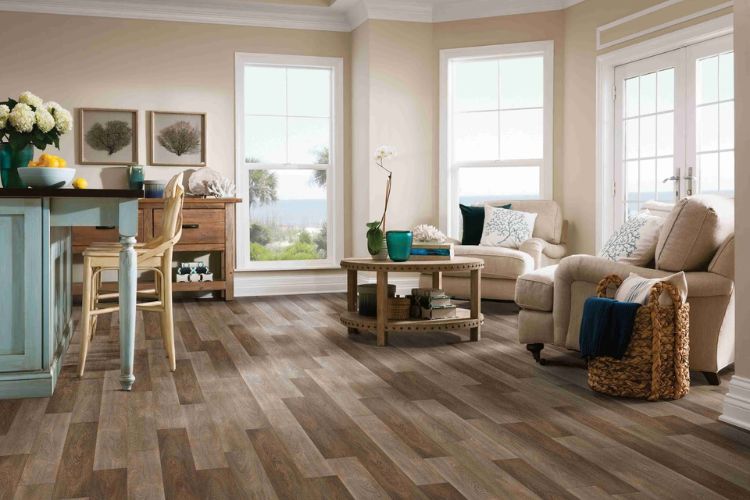
How LVT Flooring Works and What Makes It Durable
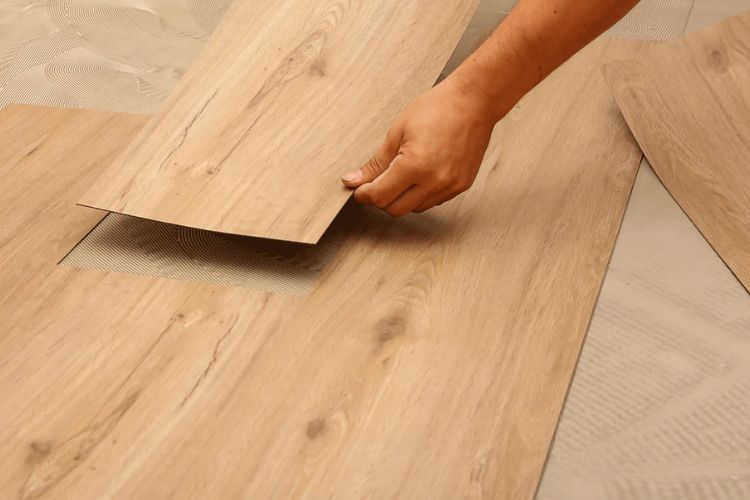
LVT flooring is a multi-layered resilient flooring system designed to combine realistic wood, stone, or tile visuals with practical everyday performance. Depending on the product, its construction can include a protective wear layer, printed design layer, core, and backing, with the exact composition varying between glue-down, click-lock, loose-lay, WPC, and rigid-core products.
This layered construction helps provide dimensional stability, resistance to surface wear, and easier maintenance than many natural flooring materials. For properties in Dubai and Abu Dhabi, product selection should consider indoor temperature changes, humidity, expected traffic, subfloor condition, and the manufacturer’s installation requirements rather than assuming all LVT products perform identically.
The LVT flooring options available for residential and commercial applications include different construction types and installation systems, making it easier to match the flooring to the requirements of each space.
LVT Durability for High-Traffic Residential and Commercial Spaces
Durability is a major consideration when selecting LVT flooring for busy residential and commercial interiors.
The wear layer helps protect the printed design from everyday abrasion, while the overall construction influences resistance to impacts, furniture loads, stains, and rolling traffic. However, performance varies according to product specification, so buyers should compare wear-layer thickness, core construction, surface finish, intended-use classification, and manufacturer recommendations rather than relying on the term “luxury” alone. LVT tiles and planks can be suitable for offices, retail areas, hospitality spaces, homes, and other interiors when the selected product matches the expected traffic level.
For healthcare applications where frequent cleaning and hygiene requirements are particularly important, dedicated hospital vinyl flooring should be evaluated against the specific requirements of the facility instead of treating standard residential LVT as a universal healthcare solution.
How environmental humidity and temperature in coastal cities influence vinyl flooring installation performance
Coastal environments introduce unique flooring challenges. High humidity levels can cause moisture buildup, while temperature variations can affect material expansion and contraction.
LVT flooring is designed to handle moisture better than many traditional flooring materials. However, proper installation still plays a critical role in performance. Moisture barriers, subfloor preparation, and expansion gaps help prevent structural issues over time.
When comparing finishing options for concrete subfloors before installing vinyl materials, some property managers study alternatives like floor paint to understand moisture sealing and surface protection approaches.
Important environmental considerations include:
- Subfloor moisture testing before installation
- Climate acclimatization of flooring materials
- Proper adhesive selection for humidity levels
- Controlled indoor temperature during installation
Comparing LVT flooring structure layers and their impact on sound absorption and comfort underfoot performance
One overlooked benefit of LVT flooring is its ability to improve indoor acoustic comfort. The layered construction helps absorb sound vibrations, reducing noise transmission between floors.
Sound and comfort advantages include:
- Reduced footstep noise compared to ceramic tiles
- Softer walking surface compared to stone flooring
- Improved comfort for long standing periods
- Optional acoustic underlayment compatibility
In multi-story residential buildings, noise reduction can significantly improve living quality. In commercial environments, reduced sound reflection improves workspace comfort and productivity.
The flexible core structure also contributes to shock absorption, making LVT safer in areas where slip and fall risks must be minimized.
Maintenance routines required to keep luxury vinyl flooring surfaces hygienic and visually consistent for years
One of the reasons LVT flooring is widely adopted is its simple maintenance requirements. Unlike porous materials, LVT does not require sealing or polishing to maintain appearance.
Recommended maintenance practices:
Daily Care
- Sweep or vacuum to remove dirt and debris
- Use microfiber dust mops for quick cleaning
Weekly Care
- Damp mop using manufacturer-approved cleaning solutions
- Avoid excessive water saturation
Long-Term Care
- Use furniture pads to prevent scratches
- Clean spills quickly to prevent staining
Because LVT has a sealed surface layer, it resists bacteria and mold growth when cleaned regularly. This makes it suitable for healthcare facilities, gyms, and residential kitchens.
Safety considerations including slip resistance ratings and fire performance standards for public interior flooring
Safety performance is critical in public buildings. Flooring must meet regulatory standards for slip resistance and fire behavior.
Slip resistance is measured using standardized testing methods. Many LVT products include textured surfaces that improve grip even when the floor is slightly wet.
In fitness environments where safety and impact absorption matter, facility planners often compare surface technologies with specialized solutions like Gym flooring to understand traction and cushioning performance differences.
Fire safety is another important factor. Many modern LVT products are manufactured to meet building code fire resistance classifications, reducing flame spread risk.
Safety evaluation factors include:
- Slip resistance rating certification
- Fire classification compliance
- Smoke emission testing results
- Toxicity standards during combustion
LVT Flooring Lifespan, Maintenance, and Lifecycle Considerations
The service life of LVT flooring depends on product quality, wear-layer specification, traffic intensity, installation quality, and maintenance practices. Rather than applying a fixed 15–25 year lifespan to every product, buyers should use the manufacturer’s stated performance classification and warranty information as the primary reference.
Routine sweeping or vacuuming removes abrasive dust, while damp cleaning with a manufacturer-approved solution helps maintain the surface without excessive water exposure. Furniture pads and suitable entrance mats can also reduce scratching and tracked-in dirt in busy areas.
For Dubai and Abu Dhabi interiors, maintenance planning should account for sand and dust, frequent cleaning, humidity, and the level of daily foot traffic.
Homeowners looking specifically for residential applications can also compare home vinyl flooring options, while project teams should review product documentation for VOC emissions and any available environmental certifications when lifecycle performance and indoor-air considerations are part of the specification.
Conclusion
LVT flooring has evolved into a high-performance flooring solution capable of meeting modern construction demands. Its layered engineering provides durability, moisture resistance, acoustic comfort, and safety performance across many building types.
By understanding installation conditions, maintenance requirements, and environmental performance factors, decision-makers can evaluate flooring materials based on long-term practicality rather than short-term appearance alone.
FAQs
Q: What is LVT flooring?
A: LVT, or Luxury Vinyl Tile, is a resilient flooring product designed to replicate materials such as wood, stone, and ceramic while providing a durable and relatively low-maintenance surface.
Q: What are the main benefits of LVT flooring?
A: Key benefits include realistic designs, good wear resistance, easy maintenance, moisture resistance in suitable products, and multiple installation options such as glue-down, click-lock, and loose lay.
Q: Is LVT flooring waterproof?
A: Some LVT products are waterproof, while others are only water-resistant. The product’s technical specification should be checked rather than assuming all LVT has the same moisture performance.
Q: What is the difference between LVT tiles and LVT plank flooring?
A: LVT tiles are typically designed to resemble stone or ceramic formats, while LVT planks commonly replicate wood flooring. Both can use different core and installation systems.
Q: Is LVT flooring suitable for homes in Dubai?
A: Yes. LVT can be suitable for living rooms, bedrooms, kitchens, and other residential areas when the product is selected according to traffic, moisture exposure, subfloor condition, and installation requirements.
Q: Is LVT flooring suitable for commercial spaces?
A: Yes. Commercial-grade LVT can be used in offices, retail, hospitality, and other high-traffic interiors when its wear layer and use classification match the expected level of traffic.
Q: How long does LVT flooring last?
A: Its lifespan varies according to the product, wear layer, traffic, installation, and maintenance. Manufacturer performance ratings and warranty information are more reliable than applying one lifespan to every LVT product.
Q: How do you maintain LVT flooring?
A: Regularly remove dust and debris by sweeping or vacuuming, then damp mop with a manufacturer-approved cleaner. Avoid excessive water and abrasive cleaning methods.
Q: Can LVT flooring be installed in Abu Dhabi?
A: Yes. LVT can be used in Abu Dhabi residential and commercial interiors, provided the selected product and installation method are suitable for the site’s temperature, humidity, traffic, and subfloor conditions.
Q: Is LVT better than traditional vinyl flooring?
A: LVT is a type of vinyl flooring designed with realistic decorative layers and different construction options. Whether it is better depends on the project’s appearance, durability, installation, moisture, maintenance, and budget requirements.