
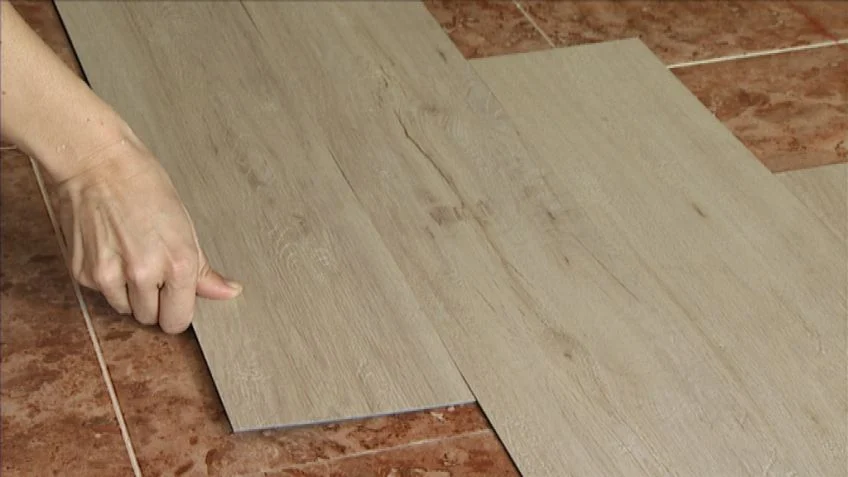
Modern interior construction has evolved significantly with the introduction of engineered surface materials designed to improve durability, comfort, and long-term performance. Among these, synthetic layered floor systems have gained attention for their ability to balance aesthetics with practicality. They are widely used across residential homes, offices, retail spaces, and healthcare environments because of their resilience and ease of maintenance.
Understanding how these materials function, where they perform best, and what makes them different from traditional surfaces helps property owners and designers make informed decisions. From installation techniques to environmental performance, learning the technical and functional characteristics of modern floor materials provides valuable insights for long-term interior planning.
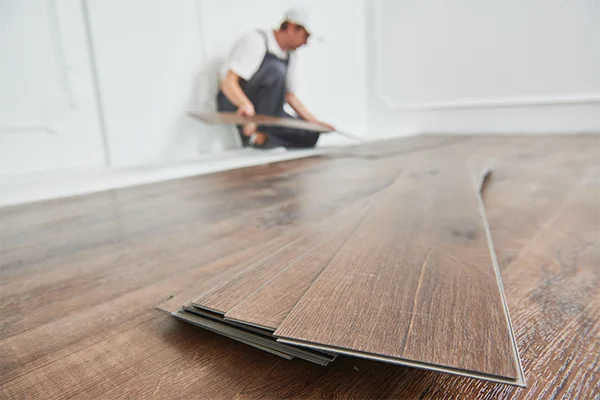
Understanding the core structure and layered composition of modern synthetic floor materials used in residential and commercial environments
Modern multi-layered flooring solutions are engineered using several protective and functional layers. Each layer contributes to performance, comfort, and structural stability.
Typically, layered construction includes:
- Wear layer that protects against scratches and stains
- Printed design layer that creates the visual appearance
- Core structural layer that provides strength and dimensional stability
- Backing layer that improves support and sound absorption
Many interior designers and builders rely on materials like PVC Vinyl flooring because of its balanced combination of flexibility, moisture resistance, and realistic surface textures. These materials mimic natural stone, wood, or tile while maintaining consistent quality across large surface areas.
This engineered structure allows synthetic surfaces to maintain shape even under heavy foot traffic, making them suitable for commercial and high-use residential applications.
Key performance characteristics including water resistance, durability, and long-term surface wear behavior under heavy foot traffic conditions
Performance is often the main reason people choose synthetic flooring materials over traditional options. These materials are specifically designed to withstand daily stress.
Key characteristics include:
- High resistance to water and humidity exposure
- Strong resistance to dents from furniture and equipment
- Protection against stains from household or commercial spills
- Surface coatings that reduce visible wear over time
Unlike porous natural materials, synthetic layered floors prevent moisture penetration, which helps reduce mold or subfloor damage risks. This makes them particularly useful in kitchens, bathrooms, and basements where humidity levels fluctuate.
Additionally, wear layers are tested for abrasion resistance, ensuring surfaces maintain appearance even in busy public spaces like retail stores or offices.
Installation methods explained including floating systems, glue-down techniques, and surface preparation requirements for optimal performance
Proper installation directly affects long-term performance and durability. There are several installation methods commonly used depending on environment and subfloor condition.
Common installation approaches include:
Floating Installation
- Panels lock together without adhesive
- Faster installation time
- Easier replacement of damaged sections
Glue-Down Installation
- Strong bond with subfloor surface
- Better stability in large commercial spaces
- Reduces movement under heavy loads
Some property owners compare different composite materials such as wpc flooring when selecting installation methods because core density and flexibility influence how the material behaves during installation.
Proper subfloor preparation is essential. Surfaces must be:
- Clean and dust-free
- Level and structurally stable
- Moisture tested when installed over concrete
Environmental factors that influence lifespan such as humidity levels, temperature changes, and subfloor material compatibility
Environmental conditions play a major role in material lifespan and performance. Even engineered materials respond to climate factors.
Important environmental considerations include:
- Temperature fluctuations causing expansion and contraction
- Humidity levels affecting subfloor moisture balance
- Direct sunlight exposure potentially fading surface designs
In humid climates, moisture barriers are often recommended during installation. In colder climates, acclimation periods allow materials to adjust before installation begins.
Subfloor compatibility also matters. Concrete, plywood, and existing tile surfaces may require different preparation methods to ensure long-term structural integrity.
Understanding environmental interaction helps prevent issues like warping, separation, or premature wear.
Maintenance routines required to preserve finish quality and prevent surface scratches, stains, or discoloration over time
Routine maintenance plays a major role in preserving appearance and structural quality. Fortunately, synthetic layered surfaces require less maintenance compared to many natural materials.
Recommended maintenance practices:
- Regular sweeping or vacuuming to remove debris
- Damp mopping using manufacturer-approved cleaners
- Using protective pads under heavy furniture
- Avoiding harsh chemicals or abrasive cleaning tools
Preventative care is often more effective than corrective repair. Dirt and grit can act like sandpaper if left on the surface, gradually damaging protective layers.
Establishing a simple cleaning routine can significantly extend the life and visual appeal of the flooring.
Comparing synthetic flooring solutions with natural materials in terms of sustainability, comfort, and sound insulation properties
Modern synthetic materials are designed to compete with natural options in both performance and environmental considerations.
Key comparison points include:
Comfort
- Warmer underfoot compared to stone or ceramic
- Slight flexibility improves walking comfort
Sound Insulation
- Reduces footstep noise in multi-level buildings
- Useful in apartments, offices, and hospitality spaces
Sustainability
- Many products include recycled material content
- Manufacturing processes increasingly focus on waste reduction
Some architects compare synthetic surfaces with decorative stone options such as terrazo tile when balancing aesthetics with acoustic comfort and installation complexity.
Material selection often depends on project goals, environmental priorities, and structural requirements.
Common residential and commercial use cases where synthetic flooring performs better than traditional alternatives
Synthetic layered flooring is used across many environments because of its performance reliability.
Residential Applications
- Living rooms and bedrooms
- Kitchens and bathrooms
- Basements and laundry areas
Commercial Applications
- Retail stores with heavy foot traffic
- Healthcare environments requiring hygiene control
- Office buildings needing sound reduction
- Hospitality environments requiring durability and design flexibility
Its adaptability allows it to perform well in environments where natural materials may require extensive maintenance or frequent replacement.
Conclusion
Modern synthetic layered flooring has become an essential part of contemporary interior design and construction. Its engineered structure provides durability, moisture resistance, and design flexibility that supports a wide range of residential and commercial applications.
By understanding construction layers, environmental performance, installation methods, and maintenance requirements, property owners can make informed decisions that improve long-term interior performance. As manufacturing technology continues to improve, synthetic flooring solutions will likely play an even larger role in future construction and design strategies.
FAQs
What is the typical lifespan of modern synthetic floor materials?
Most high-quality synthetic layered floors last between 10 and 25 years depending on installation quality, maintenance routines, and environmental exposure.
How does moisture resistance affect flooring performance long term?
Moisture resistance prevents subfloor damage, reduces mold risk, and helps maintain structural integrity over time, especially in humid environments.
What subfloor types work best for synthetic flooring installation?
Concrete, plywood, and properly prepared existing tile surfaces typically work well when leveled and moisture tested before installation.
How do temperature changes affect synthetic floor expansion and contraction?
Temperature fluctuations can cause minor expansion or contraction. Proper installation spacing and acclimation reduce potential movement issues.
What cleaning methods are safest for maintaining surface protection?
Regular sweeping, damp mopping with mild cleaners, and avoiding abrasive tools help preserve protective layers and maintain surface appearance long term.