Commercial spaces require flooring solutions that balance durability, hygiene, and long-term performance. In modern construction and renovation projects, vinyl-based flooring has become widely used because it can withstand heavy daily use while maintaining visual consistency. Many facility managers and property developers choose this type of flooring due to its adaptability across industries.
Understanding how commercial-grade vinyl flooring works helps decision makers choose materials that match operational needs. From healthcare facilities to retail outlets and office buildings, the right flooring system can directly influence safety, maintenance workload, and overall user comfort. This guide explains structure, performance, maintenance, and real-world applications to help readers build a strong knowledge foundation.
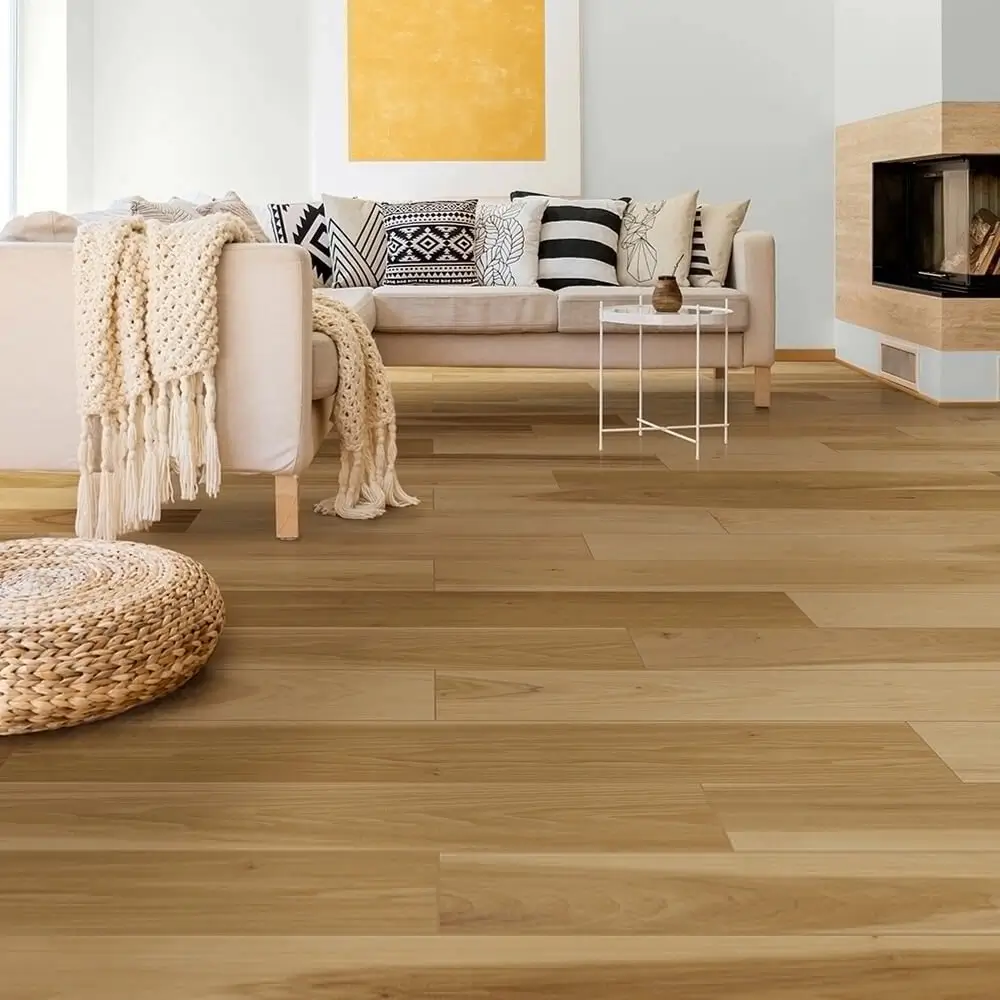
Understanding how commercial vinyl flooring performs in high traffic business environments and public facilities
Commercial flooring must tolerate continuous foot movement, rolling equipment, and occasional impact stress. Vinyl flooring designed for commercial use is manufactured with thicker wear layers and reinforced backing to handle these conditions effectively.
In high-traffic environments, flooring performance is measured by:
- Abrasion resistance against constant walking
- Surface integrity under heavy furniture or equipment
- Stain resistance in public environments
- Consistent appearance under daily cleaning routines
Many public facilities such as airports, hospitals, and shopping centers use commercial vinyl flooring abu dhabi solutions because of their balance between resilience and maintenance efficiency. These flooring systems help maintain professional-looking interiors even after years of heavy usage.
Temperature stability is another important factor. Commercial vinyl flooring can adapt to indoor temperature changes without cracking or expanding excessively, which supports long-term structural stability.
Key structural layers that make commercial vinyl flooring durable and long lasting under constant use
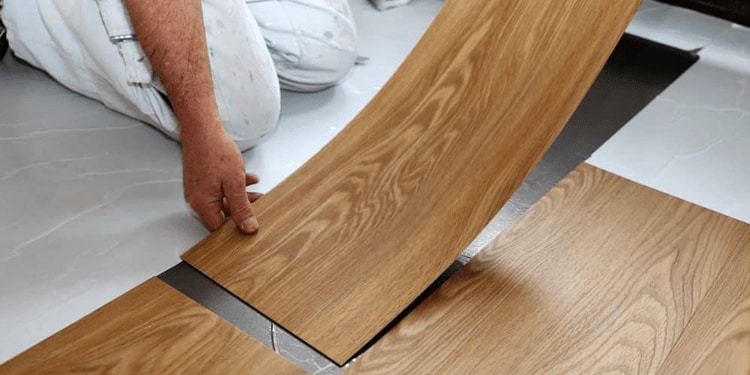
Commercial vinyl flooring typically consists of multiple engineered layers, each serving a specific function. The combination of these layers determines durability, comfort, and safety.
Common layer structure includes:
- Wear Layer
- Transparent protective coating
- Resists scratches and surface damage
- Printed Design Layer
- Provides visual texture such as wood or stone patterns
- Maintains appearance over time
- Core Layer
- Provides structural strength
- Helps absorb pressure from foot traffic
- Backing Layer
- Enhances stability
- Improves sound absorption
These layered systems allow flooring to maintain performance in demanding environments such as retail stores and educational facilities.
Differences between commercial vinyl flooring and traditional tile or stone surfaces in commercial settings
When comparing flooring materials, each option offers unique advantages and limitations. Traditional tile and natural stone are known for rigidity and strength, but vinyl provides flexibility and comfort.
Key differences include:
Vinyl Flooring
- Softer underfoot
- Faster installation process
- Better sound absorption
- Lower maintenance requirements
Tile or Stone
- Higher surface hardness
- Heavier material weight
- More complex installation
- Higher risk of cracking under impact
Vinyl flooring often performs better in environments requiring comfort and acoustic control, such as offices or educational institutions.
Maintenance routines required to keep commercial vinyl flooring hygienic and visually appealing over time
Maintaining flooring hygiene is essential in commercial environments. Proper maintenance not only improves appearance but also extends material lifespan.
Basic maintenance practices include:
- Daily dry dust mopping
- Weekly damp mopping using neutral cleaners
- Immediate spill cleaning to prevent staining
- Periodic deep cleaning using specialized equipment
In areas where chemical resistance is required, some facilities consider combining vinyl areas with epoxy floor systems in specific zones such as service corridors or technical rooms. This hybrid approach allows facilities to match surface performance with operational needs.
Regular maintenance also prevents dirt accumulation, which can degrade surface finish over time.
Safety properties such as slip resistance and fire rating in commercial vinyl flooring installations
Safety is a major factor in commercial flooring selection. Modern vinyl flooring products are designed to meet safety compliance standards in various industries.
Important safety features include:
- Slip-resistant textures for wet or high-traffic areas
- Fire-retardant material composition
- Low smoke emission ratings
- Anti-static options for technical environments
Slip resistance is especially important in healthcare facilities, restaurants, and public buildings where liquid spills are common. The textured surface reduces fall risk while maintaining cleanability.
Fire safety performance is also crucial. Many commercial vinyl floors meet strict fire testing requirements, making them suitable for regulated environments.
Environmental and acoustic benefits of installing commercial vinyl flooring in office and retail spaces
Acoustic comfort is often overlooked but plays a major role in productivity and customer experience. Vinyl flooring can reduce noise transmission between floors and within rooms.
Environmental and acoustic benefits include:
- Reduced footstep noise
- Improved indoor sound comfort
- Lower vibration transfer
- Compatibility with underfloor heating systems
In fitness centers or multi-use sports facilities, some spaces combine vinyl walkways with specialized gym floor systems to support both durability and athletic performance. This layered approach helps maintain comfort and impact absorption.
Additionally, many modern vinyl products are manufactured with low volatile organic compound emissions, supporting better indoor air quality.
Common commercial spaces where vinyl flooring performs better than other flooring material options
Vinyl flooring performs especially well in environments requiring durability, hygiene, and cost-efficient maintenance cycles.
Common application areas include:
Healthcare Facilities
- Easy sanitation and infection control
- Comfortable surface for long staff shifts
Retail Stores
- Attractive appearance for customer-facing areas
- Easy replacement of damaged sections
Educational Buildings
- Sound reduction benefits
- Impact resistance against heavy foot traffic
Corporate Offices
- Professional visual appearance
- Easy integration with modern interior design
These environments benefit from flooring systems that balance performance with visual consistency.
Conclusion
Commercial vinyl flooring continues to gain popularity because it combines durability, safety, and design flexibility in a single material system. Its layered structure allows it to withstand high traffic while maintaining comfort and visual quality. When properly maintained, it can provide reliable performance for many years.
Understanding performance characteristics, maintenance requirements, and application suitability helps facility managers make informed decisions when selecting flooring materials for commercial environments.
FAQs
What makes commercial vinyl flooring suitable for heavy traffic areas?
It contains reinforced wear layers and durable backing structures that resist abrasion and pressure from continuous movement.
How long does commercial vinyl flooring typically last in offices?
With proper maintenance, it can last 10–20 years depending on traffic levels and installation quality.
Is commercial vinyl flooring water resistant or waterproof?
Most commercial vinyl flooring is highly water resistant, and many options are fully waterproof.
Can commercial vinyl flooring improve indoor sound control?
Yes, its flexible structure absorbs sound better than rigid flooring materials.
How is commercial vinyl flooring different from residential vinyl flooring?
Commercial versions have thicker wear layers, stronger core materials, and higher durability ratings.