
Customizing Wall Skirting to Match Your Interior Aesthetic

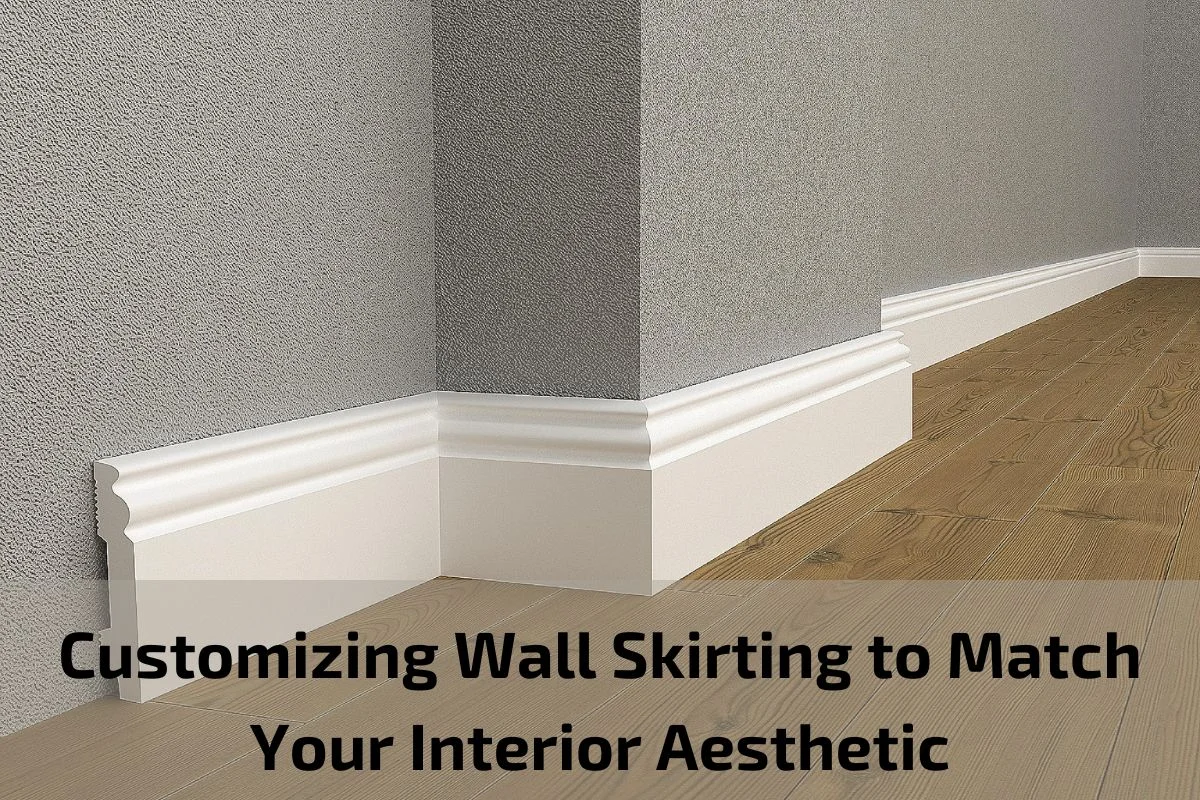
Customizing Wall Skirting to Match Your Interior Aesthetic

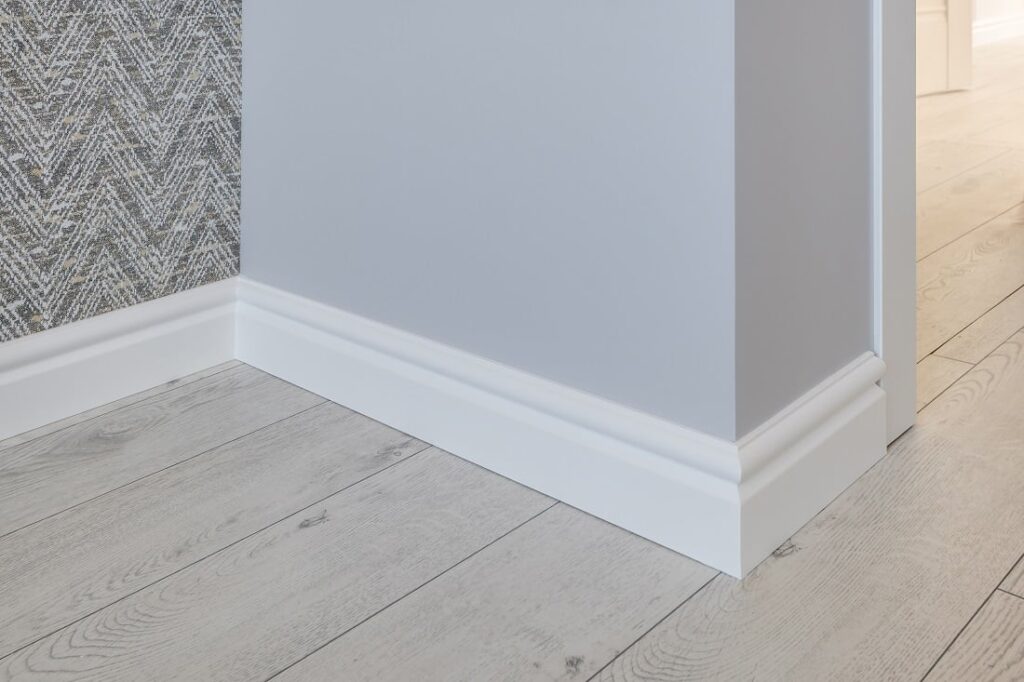
Customizing wall skirting is a pivotal aspect of interior design that allows homeowners to infuse their living spaces with personal style and aesthetic flair. Wall skirting, often overlooked yet essential, serves as a transition between the wall and the floor, providing a finishing touch that can elevate the entire room’s appearance.

In today’s diverse design landscape, customization has become synonymous with creativity and individuality. From selecting materials and profiles to choosing colors and finishes, customizing wall skirting offers endless possibilities for tailoring the details of your home to align with your unique vision and preferences.

In this article, we delve into the art of customizing wall skirting to match your interior aesthetic. We explore the myriad options available, from traditional to contemporary, and highlight the transformative impact that personalized Wall skirting can have on the ambiance and character of your space.

Whether you’re aiming for a sleek and modern look or a more rustic and traditional feel, custom wall skirting enables you to curate a cohesive and harmonious interior design scheme that reflects your personality and enhances your living environment. Join us as we embark on a journey of discovery and inspiration, exploring the boundless potential of customized wall skirting in creating truly exceptional homes.

Wall Skirting
Wall Skirting

Importance of Wall Skirting in Interior Design

Wall skirting, often referred to as baseboard or base molding, plays a crucial role in interior design by providing both functional and aesthetic benefits to living spaces. Here’s why wall skirting is an essential element in interior design:

Finishing Touch: Wall skirting serves as a finishing touch that completes the transition between the wall and the floor. It creates a seamless visual connection, enhancing the overall appearance of the room and giving it a polished look.

Protection: One of the primary functions of wall skirting is to protect the bottom of the wall from damage caused by furniture, foot traffic, and cleaning tools. It acts as a barrier, preventing scratches, dents, and scuff marks on the walls, especially in high-traffic areas.

Concealing Imperfections: Wall skirting helps conceal imperfections along the bottom edge of the wall, such as uneven surfaces, gaps, or wiring. It provides a clean and cohesive finish, hiding unsightly elements and creating a more aesthetically pleasing environment.

Visual Balance: Wall skirting contributes to the visual balance and proportion of a room by adding depth and dimension to the walls. It creates a sense of continuity between the floor and the walls, grounding the space and anchoring other design elements within the room.

Enhancing Style: Beyond its practical functions, wall skirting also enhances the style and character of a room. It comes in a variety of materials, profiles, and finishes, allowing homeowners to customize their choice to match the overall design theme and decor scheme of the space.

Defining Spaces: Wall skirting can help define different areas within a room, such as separating the walls from the floor in a distinct manner. This delineation adds architectural interest and visual clarity, especially in open-concept living spaces where defining boundaries is important.

Sound Insulation: In addition to its visual and protective qualities, wall skirting also contributes to sound insulation within a room. It helps reduce noise transmission between floors and walls, creating a quieter and more comfortable living environment.

 Definition and Functionality of Wall Skirting

Wall skirting, also known as baseboard or base molding, refers to the trim installed along the bottom edge of interior walls where they meet the floor. It serves both practical and aesthetic purposes in interior design.

Definition: Wall skirting is a narrow strip of material, typically made of wood, MDF (medium-density fiberboard), PVC (polyvinyl chloride), or other composite materials. It is installed horizontally along the base of the wall, covering the joint between the wall and the floor.

Functionality:

Protection: One of the primary functions of wall skirting is to protect the bottom of the wall from damage caused by furniture, foot traffic, and cleaning activities. It acts as a barrier, preventing scratches, dents, and scuff marks on the walls.

Concealment: Wall skirting helps conceal imperfections along the bottom edge of the wall, such as gaps, uneven surfaces, or wiring. It provides a clean and cohesive finish, hiding unsightly elements and creating a more polished look.

Transition: Wall skirting creates a seamless transition between the wall and the floor, visually connecting the two surfaces and enhancing the overall appearance of the room.

Decoration: Beyond its practical functions, wall skirting also serves as a decorative element in interior design. It comes in various profiles, styles, and finishes, allowing homeowners to customize their choice to match the overall decor theme of the space.

Sound Insulation: Wall skirting contributes to sound insulation within a room by helping reduce noise transmission between floors and walls. It adds an additional layer of protection against sound vibrations and disturbances.

Types of Wall Skirting Materials

Wall skirting comes in a variety of materials, each with unique properties and advantages. The most common materials are wood, MDF, PVC, and metal.

Wooden skirting is favored for its natural aesthetic appeal and durability. Solid wood, such as oak, maple, or pine, can be painted or stained to match the décor. It is ideal for traditional and contemporary homes but may require maintenance to prevent warping or damage from moisture.

MDF (Medium-Density Fiberboard) is a cost-effective option that mimics the look of wood. It is easy to paint, lightweight, and resists splitting, making it popular for budget-friendly renovations. However, MDF is sensitive to moisture and is best used in dry areas.

PVC skirting boards are made from plastic, making them highly resistant to water and ideal for kitchens, bathrooms, and basements. They are lightweight, low-maintenance, and easy to install. PVC boards often come in a wide range of colors and designs.

Metal skirting, usually made of aluminum or stainless steel, is modern and durable. It provides a sleek, industrial look and is highly resistant to impact and wear. Metal skirting is commonly used in commercial spaces or minimalist interiors.

Choosing the right material depends on factors such as room type, budget, durability, and aesthetic preferences. By understanding the advantages of each material, homeowners can select the perfect skirting that balances style with functionality.

Importance of Wall Skirting in Interior Design

Wall skirting is more than just a functional addition; it is a significant element of interior design. It enhances the visual appeal of a room by framing walls and floors, creating a polished and cohesive look. Skirting boards define boundaries, improve symmetry, and contribute to the overall style of the space.

Different styles of skirting can create diverse design effects. For instance, tall and ornate skirting boards add a touch of elegance to traditional interiors, while slim and minimalist boards suit modern, contemporary designs. Color choice also plays a critical role; contrasting colors can create a statement, while matching tones provide subtle continuity.

Skirting also improves the perception of space. By visually elongating walls or complementing flooring patterns, it can make rooms feel larger or more balanced. Additionally, skirting can conceal imperfections, such as uneven walls, gaps, or wiring, contributing to a neater and more refined interior.

From a practical perspective, skirting boards protect walls from scuffs, scratches, and dirt accumulation, which is especially important in high-traffic areas. This combination of functionality and style demonstrates why wall skirting is an essential consideration in both residential and commercial interior design projects.
Wall Skirting

Common Materials Used in Wall Skirting Production

Wall skirting, also known as baseboard or base molding, is manufactured using a variety of materials, each offering distinct advantages in terms of durability, versatility, and aesthetics. Here are some of the most common materials used in wall skirting production:

Wood: Wood is a traditional and popular choice for wall skirting due to its natural beauty and versatility. Common types of wood used for wall skirting include pine, oak, maple, and poplar. Wood skirting can be stained, painted, or left unfinished to complement different interior design styles. It offers excellent durability and can be easily customized to match the decor of any room.

MDF (Medium-Density Fiberboard): MDF is a composite material made from wood fibers bonded together with resin under high pressure and heat. It is an affordable alternative to solid wood and offers a smooth and uniform surface for painting or finishing. MDF skirting is resistant to warping and cracking and is available in a variety of profiles and thicknesses.

PVC (Polyvinyl Chloride): PVC is a synthetic plastic material known for its durability, moisture resistance, and low maintenance requirements. PVC skirting is highly versatile and can be molded into various shapes and designs. It is suitable for use in areas with high humidity, such as bathrooms and kitchens, where moisture resistance is essential. PVC skirting is available in a range of colors and finishes to complement different decor styles.

Polyurethane: Polyurethane skirting is a lightweight and durable option that mimics the look of traditional wood molding. It is resistant to moisture, rot, and insects, making it ideal for use in humid environments. Polyurethane skirting is available in a wide range of designs and can be easily installed using adhesive or nails. It offers the beauty of wood without the maintenance requirements and is suitable for both interior and exterior applications.

Metal: Metal skirting, typically made of aluminum or stainless steel, is a sleek and modern option that adds a contemporary touch to interior spaces. Metal skirting is highly durable and resistant to corrosion, making it suitable for use in high-traffic areas. It is available in a variety of finishes, including brushed, polished, and matte, to complement different design aesthetics.

Composite Materials: Composite materials, such as fiberglass-reinforced plastic (FRP) or composite wood products, offer a combination of durability, moisture resistance, and affordability. Composite skirting is easy to install and requires minimal maintenance, making it a practical choice for residential and commercial applications.

The Role of Wall Skirting in Interior Design

Wall skirting, often overlooked but essential, plays a crucial role in interior design by serving both functional and aesthetic purposes. Here’s a closer look at the significance of wall skirting in interior design:

Finishing Touch: Wall skirting provides a finishing touch to interior spaces, completing the transition between the wall and the floor. It adds a sense of completeness and refinement to the room, enhancing its overall appearance.

Visual Continuity: Wall skirting helps create visual continuity within a space by bridging the gap between different surfaces. It establishes a seamless connection between the walls and the flooring, contributing to the room’s sense of cohesion and harmony.

Protective Barrier: One of the primary functions of wall skirting is to protect the bottom of the walls from damage caused by furniture, foot traffic, and cleaning activities. It acts as a protective barrier, shielding the walls from scratches, dents, and scuff marks.

Concealing Imperfections: Wall skirting helps conceal imperfections along the bottom edge of the walls, such as gaps, uneven surfaces, or wiring. It provides a clean and polished finish, hiding unsightly elements and creating a more aesthetically pleasing environment.

Defining Space: Wall skirting can help define different areas within a room, acting as a visual boundary between spaces. It delineates the lower portion of the walls, helping to define the proportions and layout of the room.

Enhancing Style: Beyond its practical functions, wall skirting contributes to the overall style and character of a room. It comes in a variety of materials, profiles, and finishes, allowing homeowners to customize their choice to match the overall design theme and decor style of the space.

Sound Insulation: Wall skirting also plays a role in sound insulation within a room. It helps reduce noise transmission between floors and walls, creating a quieter and more comfortable living environment.

Architectural Detail: Wall skirting adds architectural detail to interior spaces, enhancing the visual interest and sophistication of the room. It can be used to complement other design elements, such as crown molding, wainscoting, and trim work, creating a cohesive and polished look.

Choosing the Right Style for Your Home

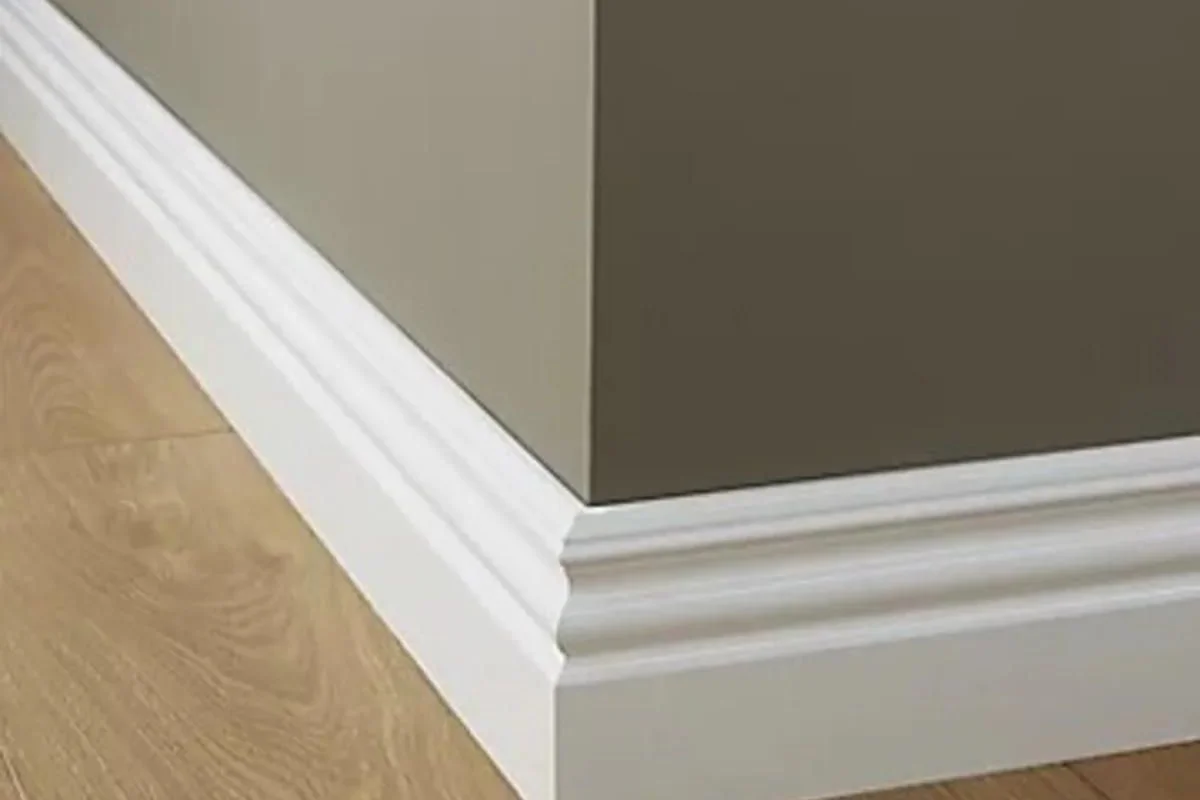
Selecting the appropriate style of wall skirting depends on your home’s interior theme, the size of the room, and your personal preferences. Traditional styles often feature intricate designs and moldings, which suit classic homes or vintage-inspired interiors. These skirting boards are usually taller and more decorative, adding elegance and character.

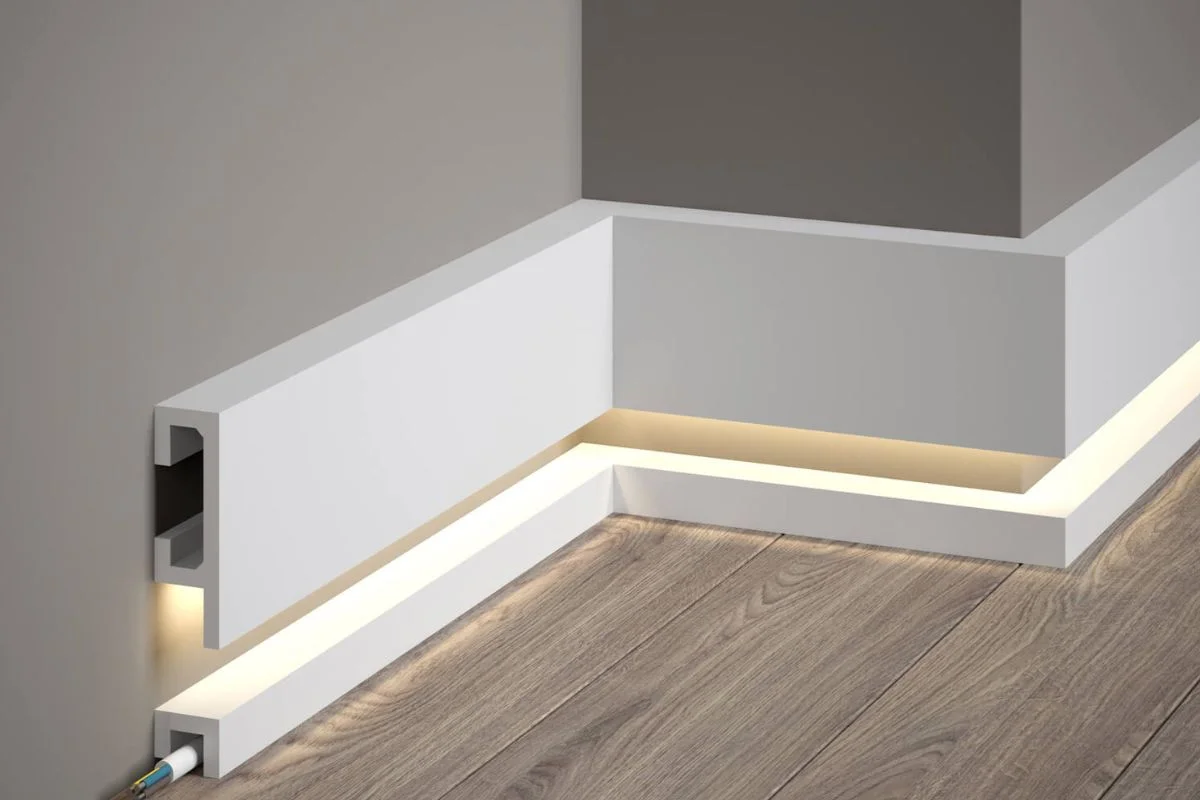
Modern or contemporary skirting designs are simpler, featuring straight lines and minimal ornamentation. These designs blend seamlessly with modern furniture and décor, emphasizing clean aesthetics. Some modern skirting boards also incorporate hidden lighting strips or cable management features for enhanced functionality.

Room size and ceiling height influence skirting choices. Taller skirting boards can make low ceilings appear higher and more spacious, while shorter boards suit small rooms without overwhelming the space. Color coordination is another factor: skirting that contrasts with wall colors creates a statement, while matching tones offer a subtle, cohesive appearance.

In addition to style, consider functionality. Moisture-resistant skirting works well in kitchens and bathrooms, while durable wood or MDF is ideal for living areas and bedrooms. Ultimately, the right skirting style combines visual appeal, practicality, and harmony with your home’s overall design.

Installation Methods of Wall Skirting

Installing wall skirting requires careful measurement, cutting, and attachment to ensure a seamless finish. Traditional methods involve using nails or screws to fix wooden or MDF boards to the wall. Adhesive-based installation is an alternative that simplifies the process, particularly for lightweight materials like PVC.

For precise results, it is important to measure wall lengths accurately and cut boards at correct angles, especially for corners. Mitered corners provide a neat finish, while straight cuts are suitable for simpler designs. In some cases, flexible skirting boards can adapt to curved walls or uneven surfaces.

Modern skirting boards often feature clip-on systems or self-adhesive backing, making installation quicker and easier. These methods reduce labor costs and are ideal for DIY projects. Additionally, pre-primed or painted boards save time during finishing, providing a professional look with minimal effort.

Proper installation also involves leveling and aligning boards with walls and floors to avoid gaps. Skirting can be used to conceal wiring or uneven surfaces, adding both practicality and aesthetic appeal. Choosing the right installation method ensures durability, visual appeal, and ease of maintenance.
Wall Skirting

Maintenance and Cleaning Tips for Wall Skirting

Proper maintenance and regular cleaning of wall skirting are essential to preserve its appearance and functionality. Here are some tips for effectively maintaining and cleaning wall skirting:

Dust Regularly: Use a soft, dry cloth or a duster to remove dust and debris from the surface of the wall skirting regularly. Dust accumulation can dull the finish and make the skirting appear dirty.

Vacuum with Brush Attachment: Use a vacuum cleaner with a brush attachment to gently remove dust and dirt from the crevices and corners of the wall skirting. Be careful not to scratch or damage the surface of the skirting.

Wipe with Mild Soap Solution: For light stains or soiling, dampen a clean cloth with a mild soap solution (such as dish soap diluted in water) and gently wipe the surface of the wall skirting. Avoid using harsh chemicals or abrasive cleaners, as they may damage the finish of the skirting.

Avoid Excessive Moisture: Wall skirting, especially wooden skirting, should be protected from excessive moisture to prevent warping, swelling, or mold growth. Wipe up spills or splashes immediately to prevent water damage.

Dry Thoroughly: After cleaning the wall skirting with a damp cloth, dry it thoroughly with a clean, dry cloth to remove any moisture. Leaving moisture on the surface of the skirting can lead to water spots or damage over time.

Inspect for Damage: Regularly inspect the wall skirting for signs of damage, such as cracks, chips, or loose sections. Repair any damage promptly to prevent further deterioration and maintain the integrity of the skirting.

Touch Up Paint or Finish: If the paint or finish on the wall skirting starts to wear or fade, touch it up with matching paint or finish to maintain its appearance. Sand the surface lightly before applying the paint or finish to ensure proper adhesion.

Protect from Furniture: Use felt pads or furniture gliders under the legs of furniture to prevent scratches or damage to the wall skirting when moving furniture. Avoid dragging heavy furniture along the skirting, as this can cause dents or scratches.

Trim Overgrown Plants: If the wall skirting is located near indoor plants, trim any overgrown foliage to prevent it from rubbing against the skirting and causing damage.

Professional Maintenance: Consider hiring a professional cleaner or maintenance service for periodic deep cleaning and maintenance of wall skirting, especially in high-traffic areas or commercial settings.

Maintenance and Care Tips

Maintaining wall skirting ensures its longevity and keeps it looking fresh. Regular cleaning is essential; dust and dirt accumulate along baseboards, especially in high-traffic areas. Use a soft cloth or vacuum with a brush attachment to remove debris without damaging the surface.

For wooden or MDF skirting, periodic polishing or repainting maintains appearance and prevents wear. Moisture-sensitive materials should be protected from water exposure to prevent swelling or warping. PVC and metal skirting boards are low-maintenance, requiring only occasional wiping to retain their finish.

Repairs may involve filling minor scratches, chips, or gaps with putty or caulk, followed by repainting. Ensuring proper installation also reduces maintenance needs, as well-fitted boards are less prone to damage or detachment.

Regular inspections for wear, especially in busy households or commercial spaces, allow timely intervention. By following these simple maintenance steps, wall skirting remains an effective and attractive feature of interior design for many years.

Skirting in Different Rooms

Different rooms have unique requirements for wall skirting based on usage, moisture levels, and design priorities. In living rooms and bedrooms, decorative wooden or MDF skirting boards are popular, adding elegance while protecting walls from furniture.

Kitchens and bathrooms benefit from water-resistant materials such as PVC or treated MDF. These boards withstand humidity and spills, preventing damage and mold formation. In hallways and high-traffic areas, durable materials like solid wood or metal provide long-lasting protection against impacts and scuffs.

Commercial spaces, offices, and retail environments often prefer metal or PVC skirting for durability and ease of maintenance. Skirting boards in these areas can also incorporate cable management systems to conceal wires and maintain a clean appearance.

Choosing the right material and design for each room ensures functionality, style, and longevity. Skirting enhances aesthetics while addressing the specific needs of different interior environments.

Conclusion

In conclusion, wall skirting is a vital element of interior design that adds both functionality and aesthetic appeal to living spaces. Throughout this article, we’ve explored the importance of wall skirting, its role in defining space, protecting walls, and enhancing the overall look of a room.

Wall skirting is a versatile and essential component of interior design, combining functionality with style. From protecting walls and covering gaps to enhancing aesthetics and defining spaces, skirting boards serve multiple purposes in homes and commercial environments.

With a wide range of materials, styles, and installation methods, homeowners and designers can select options that complement their interiors while meeting practical needs. Proper installation, maintenance, and thoughtful design choices ensure durability and visual appeal.

Call Now Button