
Looking for a floor that combines stunning design, exceptional durability, and real practicality? PVC vinyl flooring has become one of the most trusted choices for modern homes and commercial spaces—and for good reason. Engineered from high-quality polyvinyl chloride, this flooring solution offers 100% waterproof protection, scratch resistance, and easy maintenance, all at an affordable price.
Whether you love the look of hardwood, stone, or ceramic tiles, PVC vinyl flooring delivers incredibly realistic textures and patterns without the drawbacks of natural materials. From busy kitchens and bathrooms to offices and retail stores, it performs beautifully under pressure. Read on to discover why PVC vinyl flooring is the smart, stylish choice for your next project.
PVC (polyvinyl chloride) vinyl flooring has emerged as a popular and versatile flooring option for both residential and commercial spaces. Known for its durability, affordability, and wide range of design options, PVC vinyl flooring offers a practical and stylish solution for homeowners, businesses, and designers alike.
PVC vinyl flooring is constructed from synthetic materials, primarily PVC, which is combined with various additives to enhance its performance and appearance. The result is a resilient flooring material that can mimic the look of natural materials such as wood, stone, or tile, while offering numerous practical advantages.
In recent years, advancements in manufacturing technology have led to the development of PVC vinyl flooring with improved durability, waterproof properties, and ease of installation.
These qualities make PVC vinyl flooring suitable for a variety of applications, including high-traffic areas, moisture-prone spaces, and environments where easy maintenance is essential.
Overview of PVC Vinyl Flooring
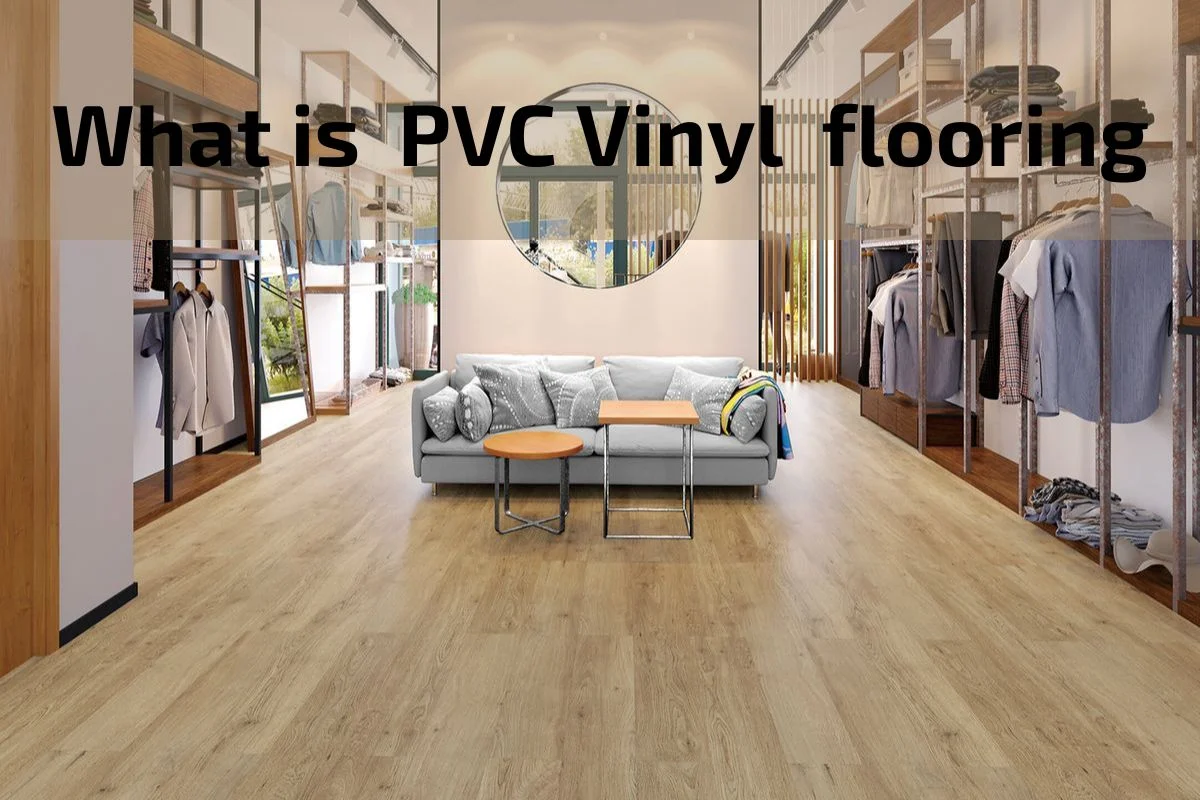
PVC (polyvinyl chloride) vinyl flooring is a versatile and popular flooring option used in both residential and commercial settings. It is constructed from synthetic materials, primarily PVC, which are combined with additives to enhance its durability and performance.
PVC vinyl flooring comes in various forms, including luxury vinyl plank (LVP), vinyl tile flooring, sheet vinyl flooring, and rigid core vinyl flooring. Each type offers unique features and benefits, allowing homeowners and designers to choose the most suitable option for their specific needs and preferences.
One of the key advantages of PVC vinyl flooring is its durability and longevity. It is resistant to scratches, stains, and moisture, making it ideal for high-traffic areas and moisture-prone spaces such as kitchens, bathrooms, and basements.
Furthermore, PVC vinyl flooring offers remarkable design versatility. It can mimic the look and texture of natural materials such as wood, stone, and tile, providing endless design possibilities for creating stylish and visually appealing interiors.
Installation of PVC vinyl flooring is relatively straightforward, with options for glue-down, click-lock, and loose lay installation methods. Proper subfloor preparation and installation techniques ensure a seamless and long-lasting finish.
Overall, PVC vinyl flooring is a practical and cost-effective flooring solution that offers durability, design flexibility, and easy maintenance. Its wide range of benefits makes it a preferred choice for modern interiors seeking both style and functionality.
Importance of PVC Vinyl Flooring in Interior Design
PVC vinyl flooring plays a significant role in interior design due to its versatility, durability, and aesthetic appeal. Here are several reasons highlighting the importance of PVC vinyl flooring in interior design:
Design Versatility: PVC vinyl flooring offers an extensive range of design options, including various colors, patterns, and textures. It can mimic the look of natural materials such as wood, stone, and tile, allowing designers to achieve the desired aesthetic for their space without the maintenance requirements or cost associated with traditional materials.
Flexibility in Application: PVC vinyl flooring can be installed in virtually any room or space within a building, including high-traffic areas, moisture-prone environments, and commercial spaces. Its flexibility in application makes it suitable for residential homes, office buildings, retail stores, healthcare facilities, and hospitality settings.
Durability and Longevity: PVC vinyl flooring is renowned for its durability and resilience to wear and tear. It is resistant to scratches, stains, and moisture, making it ideal for areas with heavy foot traffic or exposure to spills and moisture. Its long lifespan ensures that it can withstand the demands of daily use while maintaining its appearance and functionality over time.
Ease of Maintenance: One of the key advantages of PVC vinyl flooring is its ease of maintenance. It requires minimal upkeep and can be cleaned with simple household cleaning products and techniques. Regular sweeping and mopping are usually sufficient to keep PVC vinyl flooring looking clean and fresh, making it a practical choice for busy households and commercial spaces.
Cost-Effectiveness: PVC vinyl flooring is a cost-effective flooring option compared to natural materials such as hardwood or stone. It offers similar aesthetic benefits at a fraction of the cost, making it accessible to a wide range of budgets. Its affordability makes it an attractive choice for homeowners and businesses looking to enhance the appearance of their interiors without breaking the bank.
Environmental Considerations: PVC vinyl flooring has evolved to include environmentally friendly options that prioritize sustainability and eco-friendliness. Manufacturers are increasingly using recycled materials and employing sustainable production practices to reduce the environmental impact of PVC vinyl flooring.
Installation Process of PVC Vinyl Flooring
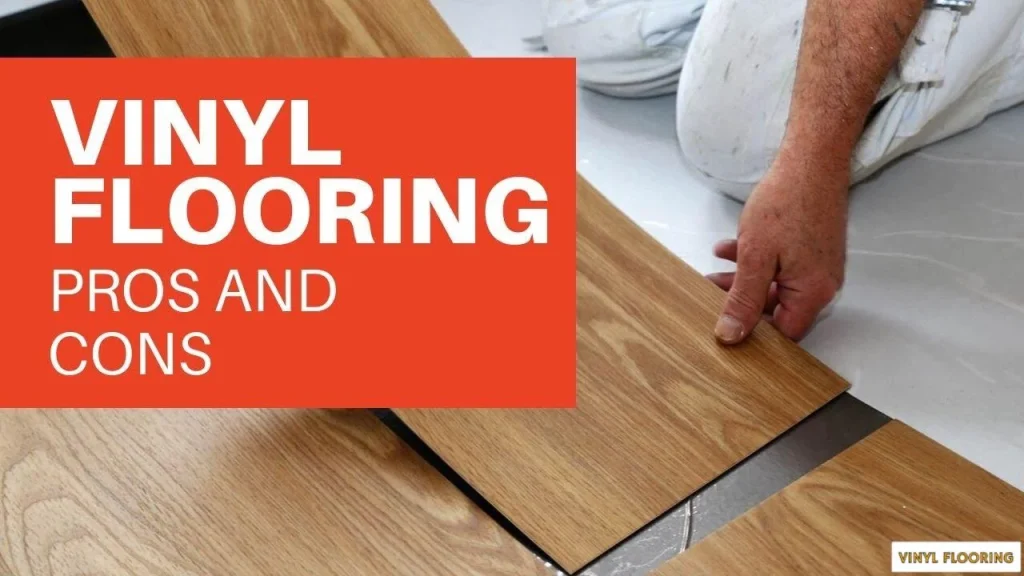
Installing PVC vinyl flooring is relatively straightforward compared to traditional flooring options like hardwood or ceramic tiles. The process can vary depending on the type—sheet, tile, or plank—but generally follows a few essential steps.
Preparation is the first step. The subfloor must be clean, dry, and level to ensure proper adhesion and a smooth finish. Any imperfections, such as cracks or holes, should be repaired before installation. For areas with high moisture, a moisture barrier may be installed to protect the flooring from water damage.
For vinyl sheets, the material is cut to fit the space, and adhesive is applied to the subfloor. The sheet is then carefully laid down, ensuring there are no air bubbles or wrinkles. Rolling the surface with a heavy roller helps secure the sheet and guarantees a seamless finish.
Vinyl planks and tiles often use a click-lock or interlocking system, which does not require adhesive. This method allows for easy installation, even for DIY enthusiasts. Each plank or tile is connected to the adjacent piece, creating a stable and secure surface. Some planks may also have a peel-and-stick backing for additional convenience.
Finishing touches include installing baseboards or moldings around the edges to cover gaps and provide a polished look. Properly installed PVC vinyl flooring should lie flat, with no visible seams or lifting edges.
One of the key benefits of PVC vinyl installation is its speed and minimal disruption. Unlike hardwood or tile flooring, which may require extensive preparation and drying times, PVC vinyl can often be installed in a single day. Its lightweight and flexible nature also make it easy to transport, cut, and handle during the installation process.
Maintenance and Cleaning Tips
PVC vinyl flooring is renowned for its low maintenance requirements, making it a practical choice for busy households and commercial spaces. Regular cleaning and proper care can extend its lifespan and keep it looking new for years.
Daily cleaning typically involves sweeping or vacuuming to remove dust, dirt, and debris. Unlike carpets, PVC vinyl does not trap dirt, making this step quick and easy. For more thorough cleaning, damp mopping with a mild detergent or vinyl-safe cleaner is recommended. Avoid harsh chemicals or abrasive scrubbers, as these can damage the surface.
Spill management is essential to prevent stains or surface damage. PVC vinyl is water-resistant, but prolonged exposure to liquids may affect the adhesive or seams. Wipe up spills promptly using a soft cloth or mop.
Protecting the floor from scratches is also important. Use felt pads under furniture legs, avoid dragging heavy objects, and consider using area rugs in high-traffic zones. This helps maintain the flooring’s appearance and prevents wear and tear.
Periodic maintenance may include checking for any lifting edges, seams, or minor damages. Small scratches or dents can often be repaired using vinyl repair kits, while larger damaged areas may require professional assistance.
PVC vinyl flooring is also resistant to mold and mildew, making it suitable for moisture-prone areas. Regular cleaning and proper ventilation further enhance this resistance, ensuring a hygienic and safe environment.
With simple care routines and preventive measures, PVC vinyl flooring can remain attractive and functional for decades, offering a cost-effective and low-effort flooring solution for various spaces.
Durability and Lifespan
One of the standout features of PVC vinyl flooring is its exceptional durability. Designed to withstand heavy foot traffic, scratches, and impacts, it is ideal for both residential and commercial spaces. Modern PVC vinyl is constructed with multiple layers, including a wear layer that protects against abrasions, stains, and fading, ensuring the flooring retains its appearance over time.
The lifespan of PVC vinyl flooring can vary depending on the quality of the material, installation, and maintenance. High-quality vinyl floors can last anywhere from 10 to 25 years, making them a long-term investment. Compared to hardwood or laminate flooring, PVC vinyl is less prone to warping, cracking, or swelling due to moisture or temperature fluctuations.
Its resistance to water, chemicals, and stains further contributes to its longevity. Areas prone to spills, such as kitchens and bathrooms, benefit greatly from the waterproof nature of PVC vinyl. Additionally, its ability to handle heavy furniture, appliances, and foot traffic without significant wear makes it suitable for offices, hospitals, and retail environments.
The flooring’s construction also enhances durability. Most PVC vinyl products include a top protective layer, a printed design layer, a core layer, and a backing layer. Each layer contributes to stability, strength, and comfort, resulting in a resilient and reliable flooring solution.
Regular maintenance, such as cleaning and protecting the surface from sharp objects, can extend the life of PVC vinyl flooring. Even with minimal upkeep, this type of flooring remains one of the most durable options available in the market today.
Design and Aesthetic Options
PVC vinyl flooring is highly versatile in design, offering endless aesthetic possibilities. One of its most appealing features is its ability to mimic natural materials, such as hardwood, marble, stone, and ceramic tiles, while providing superior durability and water resistance.
Luxury Vinyl Tiles (LVT) and Luxury Vinyl Planks (LVP) often come with realistic textures and patterns, creating an authentic look without the high cost of natural materials. Modern printing technology allows for intricate designs, including wood grain, stone veining, or abstract patterns, giving homeowners and designers a wide range of creative options.
Color options are extensive, from natural earthy tones to bold and contemporary shades. This variety enables designers to match PVC vinyl flooring with different interior styles, whether traditional, minimalist, industrial, or modern. Some products also feature matte or glossy finishes to suit the desired ambiance.
Customization is another advantage. Some manufacturers offer bespoke designs or patterned layouts, allowing for unique installations that enhance the character of a space. This flexibility makes PVC vinyl suitable for both residential and commercial projects, including offices, hotels, and retail environments.
The ability to combine different types of planks or tiles in unique patterns further enhances design possibilities. For example, alternating wood tones, herringbone patterns, or geometric layouts can create striking visual effects.
Ultimately, PVC vinyl flooring offers the perfect balance of beauty and practicality. Its wide range of textures, patterns, and colors allows designers to achieve high-end aesthetics while enjoying the durability and easy maintenance that PVC vinyl provides.
Cost Considerations
PVC vinyl flooring is generally considered a cost-effective flooring solution, offering the look of premium materials at a fraction of the price. The total cost depends on factors such as type, quality, thickness, design, and installation method.
Luxury Vinyl Tiles (LVT) and Luxury Vinyl Planks (LVP) are slightly more expensive than standard vinyl sheets due to their realistic designs and added durability. However, they still remain more affordable than hardwood, stone, or ceramic flooring. Vinyl sheets are usually the most budget-friendly option, especially for large spaces requiring seamless installation.
Installation costs can vary based on whether the flooring is DIY-friendly (click-lock) or requires professional adhesive installation. While DIY installation reduces labor expenses, professional installation ensures a flawless finish and long-lasting performance.
Maintenance costs are minimal, as PVC vinyl requires only routine cleaning and occasional minor repairs. Unlike hardwood, which may need refinishing, or carpet, which may require frequent replacement, PVC vinyl offers long-term savings.
Durability is another factor affecting overall value. High-quality PVC vinyl can last 15–25 years with proper care, providing excellent return on investment. Considering the low maintenance, water resistance, and versatility, PVC vinyl flooring is an economical choice for both residential and commercial projects.
Ultimately, PVC vinyl flooring balances affordability with aesthetics, durability, and low maintenance, making it one of the most practical flooring options available today.
Ideal Applications of PVC Vinyl Flooring
PVC vinyl flooring is suitable for a wide range of applications due to its durability, water resistance, and aesthetic versatility. In residential settings, it is commonly used in kitchens, bathrooms, living rooms, and basements, where moisture or high foot traffic may pose challenges for traditional flooring.
Commercial spaces such as offices, retail stores, hospitals, and schools also benefit from PVC vinyl flooring. Its resistance to scratches, stains, and heavy foot traffic ensures long-lasting performance in high-use areas. Additionally, the easy maintenance and hygienic properties make it ideal for healthcare facilities and food service environments.
PVC vinyl is also popular in hospitality spaces, including hotels, restaurants, and cafes. Its ability to mimic luxury materials allows businesses to achieve upscale interiors without incurring excessive costs. The flooring’s comfort underfoot and noise-reducing properties enhance the guest experience.
Outdoor applications, such as covered patios or sunrooms, can also benefit from waterproof PVC vinyl options. While not all types are suitable for direct sunlight exposure, specialized products with UV protection maintain color and durability over time.
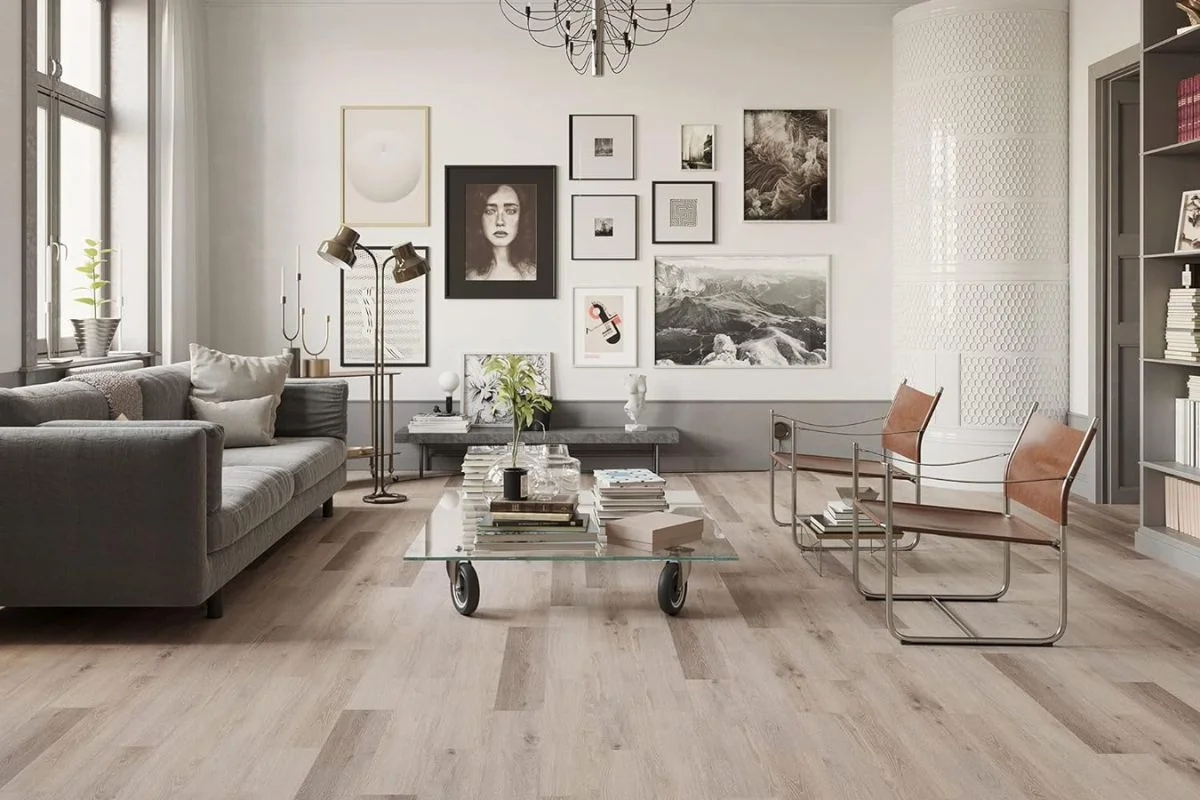
Advantages and Disadvantages of PVC Vinyl Flooring
PVC vinyl flooring offers numerous advantages that make it a popular choice for residential and commercial spaces, but it also comes with a few potential drawbacks that should be considered. Here’s a closer look at the advantages and disadvantages of PVC vinyl flooring:
Advantages:
Durability: PVC vinyl flooring is highly durable and resistant to scratches, stains, and moisture. It can withstand heavy foot traffic and is suitable for use in high-traffic areas such as kitchens, hallways, and commercial spaces.
Design Versatility: PVC vinyl flooring comes in a wide range of colors, patterns, and textures, allowing for endless design possibilities. It can mimic the look of natural materials such as hardwood, stone, and tile, providing versatility in interior design.
Easy Maintenance: PVC vinyl flooring is easy to clean and maintain. It requires regular sweeping and mopping with mild detergent and water to keep it looking fresh and new. Unlike natural materials, PVC vinyl flooring does not require waxing or polishing.
Affordability: PVC vinyl flooring is more affordable than many other flooring options, making it accessible to a wide range of budgets. It offers similar aesthetic benefits to natural materials at a fraction of the cost, making it an attractive choice for homeowners and businesses alike.
Comfortable Underfoot: PVC vinyl flooring has a softer and warmer feel underfoot compared to materials like tile or stone. It provides a comfortable surface to walk on, making it ideal for areas where people spend a lot of time standing.
Disadvantages:
Environmental Concerns: PVC vinyl flooring is made from synthetic materials that can release volatile organic compounds (VOCs) into the air, posing potential health risks. Additionally, the production and disposal of PVC vinyl flooring can have negative environmental impacts.
Susceptibility to Damage: While PVC vinyl flooring is durable, it can still be susceptible to damage from sharp objects, heavy furniture, and dragging of heavy items. Scratches, dents, and tears may occur if proper precautions are not taken.
Limited Repair Options: Unlike hardwood or tile flooring, PVC vinyl flooring cannot be refinished or repaired easily. Damage to the flooring may require replacement of the affected area or even the entire floor, which can be costly and time-consuming.
Not as Eco-Friendly as Natural Materials: While PVC vinyl flooring may be more affordable than natural materials, it is not as eco-friendly. It is made from petroleum-based materials and may not be biodegradable at the end of its life cycle.
Types of PVC Vinyl Flooring
PVC vinyl flooring comes in various types, each offering unique features and benefits to suit different preferences and applications. Here are the common types of PVC vinyl flooring:
Luxury Vinyl Plank (LVP): Luxury vinyl plank flooring replicates the look and texture of hardwood flooring. It consists of individual planks that are installed with a click-lock or glue-down method. LVP is highly durable, water-resistant, and available in a wide range of wood grain patterns and colors.
Vinyl Tile Flooring: Vinyl tile flooring resembles ceramic or porcelain tiles and is available in a variety of shapes, sizes, and patterns. Vinyl tiles can be installed with adhesive or as peel-and-stick tiles, making them easy to install and replace. They are durable, waterproof, and ideal for areas prone to moisture, such as bathrooms and kitchens.
Sheet Vinyl Flooring: Sheet vinyl flooring comes in large rolls and offers a seamless, uniform appearance when installed. It is available in a wide range of colors, patterns, and textures, including designs that mimic natural stone and tile. Sheet vinyl is durable, easy to clean, and suitable for high-traffic areas.
Rigid Core Vinyl Flooring: Rigid core vinyl flooring features a rigid core construction that provides added stability and durability. It is designed to withstand heavy foot traffic and resist indentation from furniture and other heavy objects. Rigid core vinyl flooring is available in plank or tile formats and offers enhanced dimensional stability.
Waterproof Vinyl Flooring: Waterproof vinyl flooring is designed to repel water and resist moisture, making it suitable for areas prone to spills and humidity. It is an excellent choice for bathrooms, basements, and laundry rooms where moisture resistance is essential. Waterproof vinyl flooring is available in various styles, including wood and stone looks.
Commercial-Grade Vinyl Flooring: Commercial-grade vinyl flooring is engineered to meet the rigorous demands of commercial environments such as retail stores, offices, and healthcare facilities. It is designed to withstand heavy foot traffic, spills, and stains while maintaining its appearance and performance over time.
Comparing PVC Vinyl Flooring with Other Flooring Options
PVC vinyl flooring is a popular choice for residential and commercial spaces, but how does it compare to other flooring options? Let’s examine the key differences between PVC vinyl flooring and some common alternatives:
Hardwood Flooring: Hardwood flooring offers timeless beauty and natural warmth, but it tends to be more expensive than PVC vinyl flooring. Hardwood is susceptible to scratches, dents, and water damage, whereas PVC vinyl flooring is more durable and water-resistant. Hardwood flooring requires regular maintenance and refinishing to maintain its appearance, while PVC vinyl flooring is easy to clean and maintain.
Laminate Flooring: Laminate flooring is a cost-effective alternative to hardwood, but it may not be as durable as PVC vinyl flooring. Laminate flooring consists of a fiberboard core with a photographic layer that mimics the look of wood, tile, or stone. While laminate flooring is scratch-resistant and easy to install, it may not hold up as well to moisture and humidity compared to PVC vinyl flooring.
Ceramic Tile Flooring: Ceramic tile flooring is known for its durability and water resistance, making it suitable for bathrooms, kitchens, and other moisture-prone areas. However, ceramic tile installation can be labor-intensive and costly compared to PVC vinyl flooring. Ceramic tile flooring is also prone to cracking and chipping, whereas PVC vinyl flooring is more resilient to impact damage.
Carpet Flooring: Carpet flooring offers comfort and warmth underfoot, but it may not be as durable or easy to maintain as PVC vinyl flooring. Carpet can trap dust, allergens, and stains, requiring regular vacuuming and professional cleaning. PVC vinyl flooring, on the other hand, is easy to clean and resistant to stains and moisture.
Natural Stone Flooring: Natural stone flooring, such as marble, granite, and slate, exudes luxury and sophistication but comes with a hefty price tag and requires regular maintenance. Natural stone is prone to scratching, staining, and etching, whereas PVC vinyl flooring offers similar aesthetic benefits at a fraction of the cost and requires minimal maintenance.
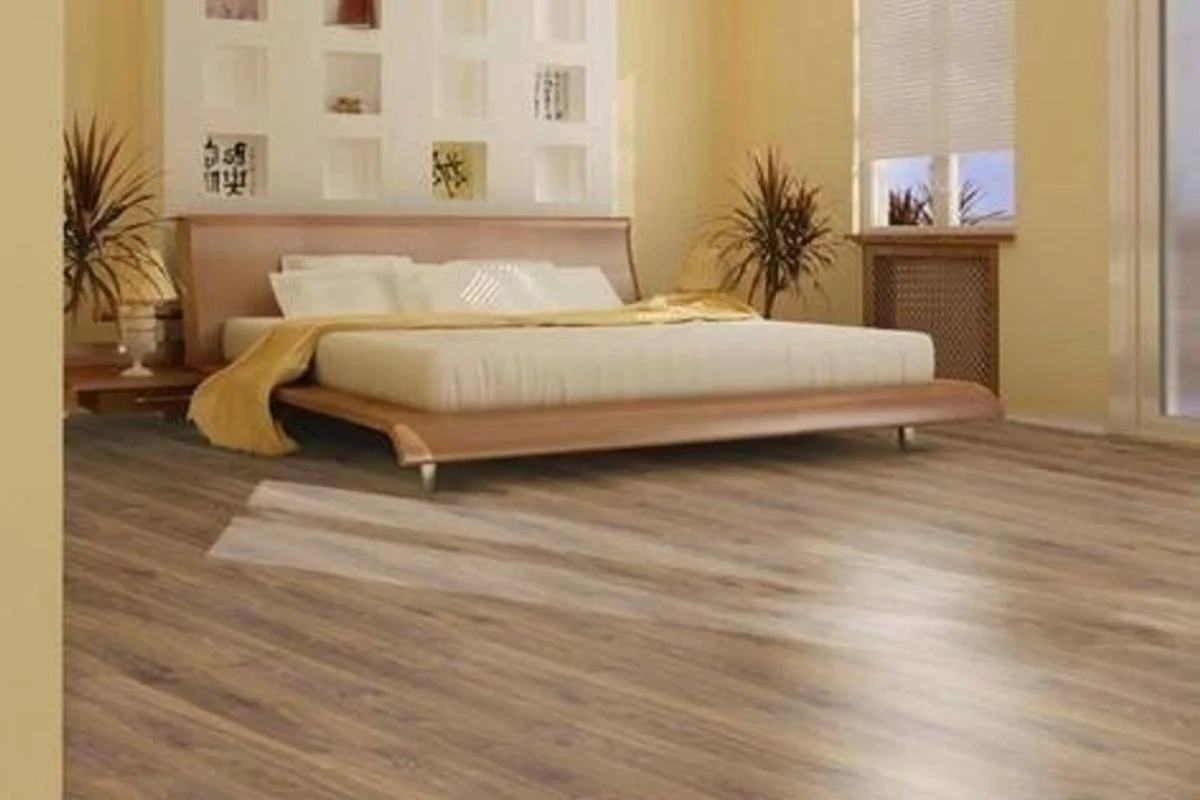
Maintenance and Cleaning Guidelines for PVC Vinyl Flooring
Proper maintenance and regular cleaning are essential to preserve the appearance and longevity of PVC vinyl flooring. Follow these guidelines to keep your PVC vinyl flooring looking clean and pristine:
Daily Sweeping or Vacuuming: Use a soft-bristled broom or a vacuum cleaner with a soft brush attachment to remove dust, dirt, and debris from the surface of the flooring. Regular sweeping or vacuuming prevents abrasive particles from scratching the floor’s surface.
Damp Mopping: Periodically damp mop the PVC vinyl flooring using a mop dampened with warm water and a mild detergent or vinyl floor cleaner. Avoid using abrasive cleaners, ammonia-based products, or wax-based cleaners, as they can damage the flooring’s surface.
Spot Cleaning: Promptly clean up spills and stains to prevent them from setting into the flooring. Use a damp cloth or sponge with a mild detergent to gently blot the affected area. Avoid using abrasive scrubbers or harsh chemicals that may damage the flooring.
Avoid Excessive Moisture: While PVC vinyl flooring is water-resistant, excessive moisture can seep into the seams and edges, causing damage to the adhesive and subfloor. Use minimal water when mopping the flooring, and promptly dry any excess moisture with a clean, dry cloth or mop.
Protective Measures: Place felt pads or furniture coasters under the legs of heavy furniture to prevent scratching and indentation of the flooring. Use floor mats or rugs at entryways and high-traffic areas to trap dirt, moisture, and debris before it reaches the flooring.
Avoid Sharp Objects: Do not drag heavy furniture or sharp objects across the surface of the PVC vinyl flooring, as this can cause scratches and damage. Use caution when moving furniture and appliances to prevent accidental damage to the flooring.
Regular Inspections: Periodically inspect the PVC vinyl flooring for signs of wear, scratches, or damage. Address any issues promptly to prevent further damage and maintain the integrity of the flooring.
Avoid Steam Cleaning: Avoid using steam cleaners or excessive heat on PVC vinyl flooring, as this can damage the flooring’s surface and cause warping or delamination.
Follow Manufacturer’s Recommendations: Refer to the manufacturer’s guidelines and recommendations for cleaning and maintenance specific to your PVC vinyl flooring product. Follow any instructions provided to ensure optimal performance and longevity.
Conclusion
In conclusion, PVC vinyl flooring stands out as a practical, versatile, and aesthetically pleasing flooring option for both residential and commercial spaces. With its durability, design versatility, ease of maintenance, and affordability, PVC vinyl flooring offers numerous advantages that make it a preferred choice for modern interiors.
The most important frequently asked questions about PVC Vinyl flooring
What is PVC vinyl flooring made of?
PVC vinyl flooring is made from polyvinyl chloride combined with plasticizers, stabilizers, and pigments. It typically features multiple layers including a wear layer, design layer, core layer, and backing for durability and comfort.
Is PVC vinyl flooring completely waterproof?
Yes, most PVC vinyl flooring is 100% waterproof. Its rigid core and sealed surface prevent water from penetrating, making it ideal for bathrooms, kitchens, basements, and laundry rooms without risk of swelling.
How long does PVC vinyl flooring last?
With proper installation and regular maintenance, PVC vinyl flooring can last between 15 to 25 years. High-quality commercial-grade products with thick wear layers may last even longer in residential settings.
Can I install PVC vinyl flooring myself?
Yes, many PVC vinyl flooring options feature click-lock or peel-and-stick systems for easy DIY installation. Glue-down and loose-lay methods are also available but may require professional help for best results.
How do I clean and maintain PVC vinyl flooring?
Sweep or vacuum regularly to remove dirt and debris. Damp mop with warm water and a mild, pH-neutral cleaner. Avoid harsh chemicals, steam mops, and abrasive pads that could damage the wear layer.
Is PVC vinyl flooring safe for homes with pets and children?
Absolutely. PVC vinyl flooring is scratch-resistant, stain-resistant, and waterproof, making it perfect for busy households. Its softer surface also reduces noise and provides comfort underfoot for play areas.
What types of PVC vinyl flooring are available?
The main types include luxury vinyl planks (LVP) that mimic hardwood, luxury vinyl tiles (LVT) that replicate stone or ceramic, sheet vinyl for seamless waterproofing, and rigid core vinyl for extra stability.
Does PVC vinyl flooring contain harmful chemicals?
Many modern PVC vinyl products are manufactured with low VOCs and are phthalate-free. Look for certifications like FloorScore or Greenguard Gold to ensure healthy indoor air quality and safety.
Can PVC vinyl flooring be used with underfloor heating?
Yes, PVC vinyl flooring is compatible with underfloor heating systems. Always follow manufacturer guidelines regarding maximum temperature limits to prevent warping or damage to the flooring material.
Is PVC vinyl flooring environmentally friendly?
Manufacturers now produce eco-friendly PVC vinyl using recycled content and low-emission processes. Some products are also fully recyclable, and their long lifespan reduces waste compared to less durable flooring options.