
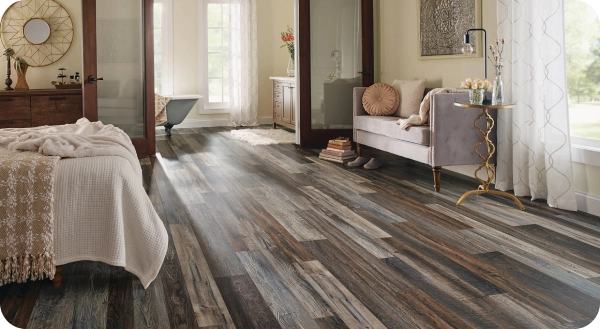
Commercial spaces require flooring solutions that balance durability, safety, and long-term performance. In high-traffic environments such as offices, hospitals, retail stores, and public buildings, flooring must withstand constant use while maintaining its structural integrity and appearance. Understanding how commercial flooring performs helps facility managers and designers make informed material decisions.
Modern commercial flooring materials are engineered using advanced manufacturing technologies that enhance wear resistance, moisture protection, and surface stability. By studying flooring structure, installation methods, and maintenance requirements, businesses can select flooring systems that support operational efficiency and reduce long-term maintenance disruptions.
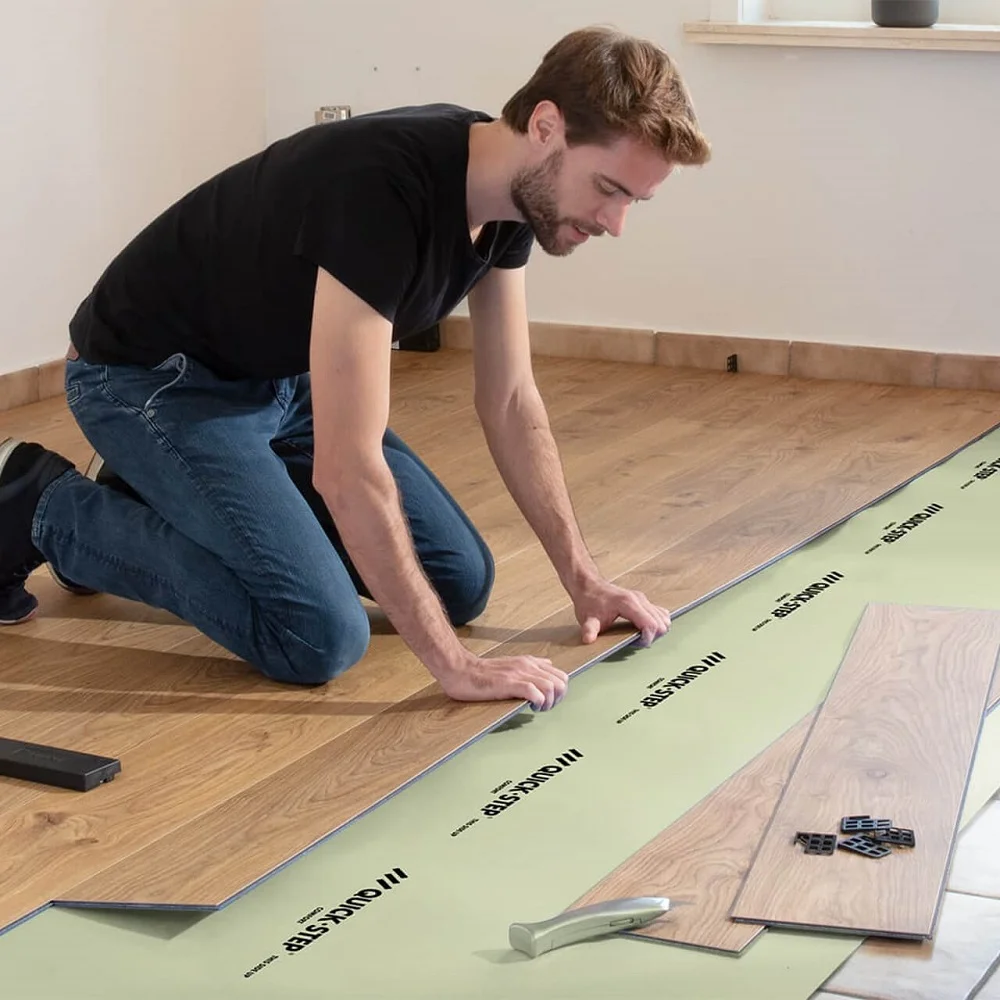
How commercial vinyl flooring performs under heavy daily foot traffic in business environments
High-traffic commercial environments expose flooring to constant mechanical stress, rolling loads, and frequent cleaning cycles. Vinyl flooring is designed with multiple protective layers that help distribute weight and resist surface damage.
In regions with rapid commercial growth, many facilities rely on solutions like commercial vinyl flooring dubai because they are engineered to handle demanding usage patterns while maintaining surface consistency over time.
Key performance advantages include:
- Resistance to scuffing from carts and equipment
- Reduced noise compared to hard surface flooring
- Surface flexibility that absorbs foot impact
- Consistent performance across temperature variations
These features make vinyl flooring especially suitable for environments that require both durability and comfort under continuous use.
Understanding wear layers, thickness levels, and long term durability expectations
The wear layer is the top protective coating that shields the design layer from abrasion and scratches. Thickness directly affects how long the flooring maintains its appearance and structural performance.
Typical commercial wear layers range from:
- 0.5 mm for moderate traffic commercial zones
- 0.7 mm for heavy commercial applications
- 1.0 mm or higher for industrial or healthcare use
Durability also depends on:
- Core construction stability
- Adhesive bonding quality
- Subfloor preparation
- Environmental exposure levels
Selecting appropriate thickness ensures flooring remains functional for many years without premature replacement.
Environmental and moisture resistance features important for commercial interiors
Commercial buildings often face moisture challenges from cleaning processes, humidity fluctuations, and occasional liquid spills. Vinyl flooring provides strong moisture resistance because of its non-porous structure.
Important environmental protection features include:
- Waterproof surface layers
- Mold and mildew resistance
- Chemical spill resistance in controlled environments
- Dimensional stability during temperature shifts
These characteristics support indoor air quality standards and reduce structural damage risks in moisture-prone areas.
Installation methods used in large commercial buildings and public access areas
Commercial flooring installation must balance speed, precision, and long-term structural reliability. Installation methods vary depending on building design and expected traffic intensity.
Common installation approaches include:
- Full-spread adhesive installation for maximum stability
- Loose lay installation for fast installation in large open areas
- Interlocking tile systems for modular replacement
In facilities requiring seamless and highly chemical-resistant surfaces, installers sometimes compare vinyl systems with options like epoxy flooring to determine which material better fits specific environmental demands.
Proper installation ensures:
- Reduced movement under load
- Better seam protection
- Lower risk of moisture penetration
- Extended lifecycle performance
Maintenance routines required to extend flooring lifespan in commercial settings
Consistent maintenance protects flooring performance and appearance. Unlike porous flooring materials, vinyl surfaces require relatively simple cleaning routines.
Recommended maintenance practices include:
Daily Care:
- Dry dust mopping to remove debris
- Spot cleaning spills immediately
Weekly Care:
- Neutral pH wet cleaning
- Low moisture mopping
Periodic Care:
- Machine scrubbing for deep cleaning
- Protective polish application if required
Avoiding abrasive cleaners and excessive water exposure helps maintain protective surface layers.
Safety features including slip resistance and fire performance compliance standards
Safety is a critical requirement in commercial flooring selection. Slip resistance reduces workplace accidents, while fire performance ratings support building safety compliance.
Key safety characteristics include:
- Textured surface finishes for grip
- Anti-slip coatings for wet environments
- Fire resistance certifications meeting commercial building codes
- Low smoke emission ratings
These features are particularly important in healthcare facilities, schools, and public transportation spaces.
Differences between vinyl flooring types used in offices, retail, and healthcare facilities
Different commercial sectors require different flooring performance characteristics. Understanding these differences helps ensure proper material selection.
Office Environments:
- Focus on acoustic comfort
- Moderate traffic durability
- Professional aesthetic consistency
Retail Environments:
- High abrasion resistance
- Visual design flexibility
- Easy maintenance for appearance retention
Healthcare Environments:
- Strong chemical resistance
- Seamless installation options
- Enhanced hygiene surface coatings
In sports and fitness environments, some facilities also evaluate options such as rubber flooring abu dhabi when impact absorption and athletic safety become primary design priorities.
Conclusion
Commercial flooring selection requires careful evaluation of durability, safety performance, installation quality, and long-term maintenance requirements. Vinyl flooring continues to be widely used because of its balance between resilience, moisture protection, and lifecycle efficiency. Understanding how construction layers, installation methods, and environmental factors interact helps facility planners make informed decisions that support operational reliability.
As commercial environments evolve, flooring technologies continue to improve, offering stronger wear resistance, enhanced safety performance, and more sustainable material composition. Choosing flooring based on usage demands and environmental exposure remains the most effective way to ensure long-term performance success.
FAQs
What makes commercial vinyl flooring suitable for high traffic locations?
Commercial vinyl flooring uses multi-layer construction with protective wear layers that resist abrasion, pressure, and repeated foot movement.
How long does commercial vinyl flooring typically last in busy areas?
With proper installation and maintenance, commercial vinyl flooring can last between 10 and 20 years depending on traffic intensity.
Is commercial vinyl flooring resistant to water and chemical spills?
Yes, most commercial vinyl flooring is waterproof and resistant to many cleaning chemicals used in commercial maintenance routines.
What maintenance schedule is recommended for commercial vinyl flooring?
Daily dust removal, weekly wet cleaning, and periodic deep cleaning help maintain surface performance and appearance.
Can commercial vinyl flooring be installed over existing flooring materials?
In some cases, yes, if the existing floor is stable, level, and free of moisture damage. Subfloor preparation is critical for long-term success.